








The 2025 Ryder Cup: Insights from Tom Watson on Key Changes and Challenges
As the much-anticipated 2025 Ryder Cup looms, golf enthusiasts are eager to hear insights from legendary figures of the sport, with Tom Watson taking center stage. A two-time U.S. Ryder Cup captain and an eight-time major winner, Watson’s perspectives on recent rule changes are drawing attention ahead of the event at Bethpage Black. From discussions on player compensation to captain’s picks, let’s explore Watson’s insights and their implications for the upcoming tournament.
The Shift in Player Compensation
One of the most significant changes for the 2025 Ryder Cup is the introduction of player compensation for U.S. team members. For the first time, each American player will receive $500,000, a split between personal earnings and charitable contributions. This decision comes on the heels of controversy during the 2023 Ryder Cup when complaints surfaced regarding player compensation, notably sparked by Patrick Cantlay’s gesture of not wearing a hat in protest.
Watson’s Stance Against Compensation
Tom Watson has openly critiqued this new compensation policy. He believes that playing for one’s country should be the primary motivation for participating in the Ryder Cup. In a recent Golf Channel interview, Watson asserted that financial gain should not overshadow the honor and pride that comes with representing the U.S. in such a prestigious event. He emphasized that previous efforts to provide funds for charities were sufficient and the current focus should be on team spirit rather than financial incentives.
The Legacy of Team Spirit
Watson’s viewpoint reflects a broader sentiment that resonates with the historical significance of the Ryder Cup. The event has traditionally been about unity, competition, and honor, rather than financial rewards. With the new policy in place, one can only wonder how it will affect team dynamics and the spirit of competition. Watson believes the essence of the Ryder Cup should revolve around camaraderie and patriotism.
Captain’s Picks: A Growing Concern
Another area where Watson expresses concern is the increased number of captain’s picks. Initially, the U.S. team consisted of eight automatic qualifiers and four captain’s picks, but changes following the pandemic have boosted this number to six. Watson argues that this expansion undermines the meritocratic nature of the selection process, suggesting that more emphasis should be placed on player performance rather than subjective decisions by team captains.
The Case for Automatic Qualifiers
Watson’s proposal for the Ryder Cup team selection is straightforward: limit captain’s picks and focus on automatic qualifiers. He suggests that a return to ten automatic qualifiers with only two picks would prioritize merit and performance, ensuring that only the top players represent the U.S. Watson’s experience as a captain informs this viewpoint, as he recalls a time when all players made the team based solely on merit, enhancing the competitive spirit of the event.
Examining Historical Context
Reflecting on the history of the Ryder Cup, Watson pointed out that the traditional method of qualification promoted a higher standard of play among PGA professionals. He reminisced about his own qualification experiences in 1977, where only the top players made the cut. This historical context serves as a crucial reminder of the event’s competitive integrity and reinforces Watson’s stance on returning to a merit-based selection system.
The Fallout from the 2014 Ryder Cup
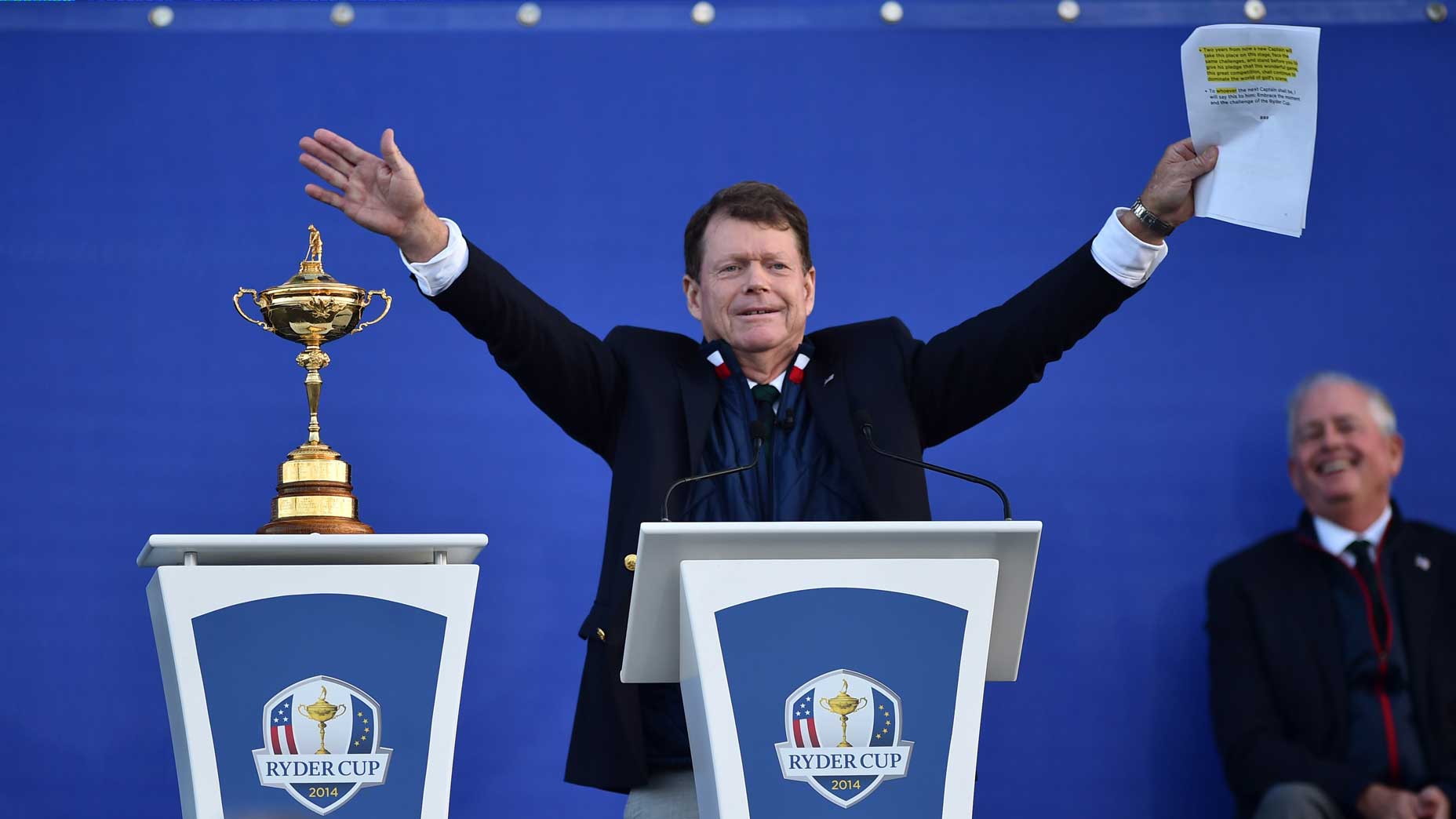
Watson’s tenure as the U.S. captain was not without its challenges, particularly in the 2014 Ryder Cup, which ended disastrously for the American squad. The defeat sparked criticism from players, highlighting perceived strategic mistakes. In hindsight, Watson acknowledged that every decision was made based on the best available information at the time, affirming that pressure can lead to errors in judgment.
Navigating the Pressures of Captaincy
The pressure of captaining a Ryder Cup team is immense, as highlighted by Watson’s reflections. He spoke candidly about the intense scrutiny and decision-making that accompany every match. The unique environment of the Ryder Cup creates elevated stakes, making it crucial for captains to not only strategize but also understand the psychological aspects of their players during crucial moments.
The Future of the Ryder Cup
As the 2025 Ryder Cup at Bethpage Black approaches, Watson’s insights spark important discussions about the event’s future. The implications of altering payment structures and team selection rules may influence not just the current tournament but also the legacy of the Ryder Cup moving forward. Striking a balance between tradition and modernity will be key to preserving the competitive essence of this storied event.
Conclusion: Reflecting on Tradition and Progress
In summary, Tom Watson’s reflections on player payments and captain’s picks lay bare the complex dynamics that define the Ryder Cup. As the tournament begins on September 6, the focus will be on how these changes impact the players and the overall spirit of the competition. Golf fans around the world will be watching closely, as the legacy of the Ryder Cup hangs in the balance, straddling the line between cherished tradition and necessary evolution.
As discussions unfold, one thing remains clear: the Ryder Cup is about more than just competition; it’s about nationhood, camaraderie, and the relentless pursuit of excellence in golf.


