







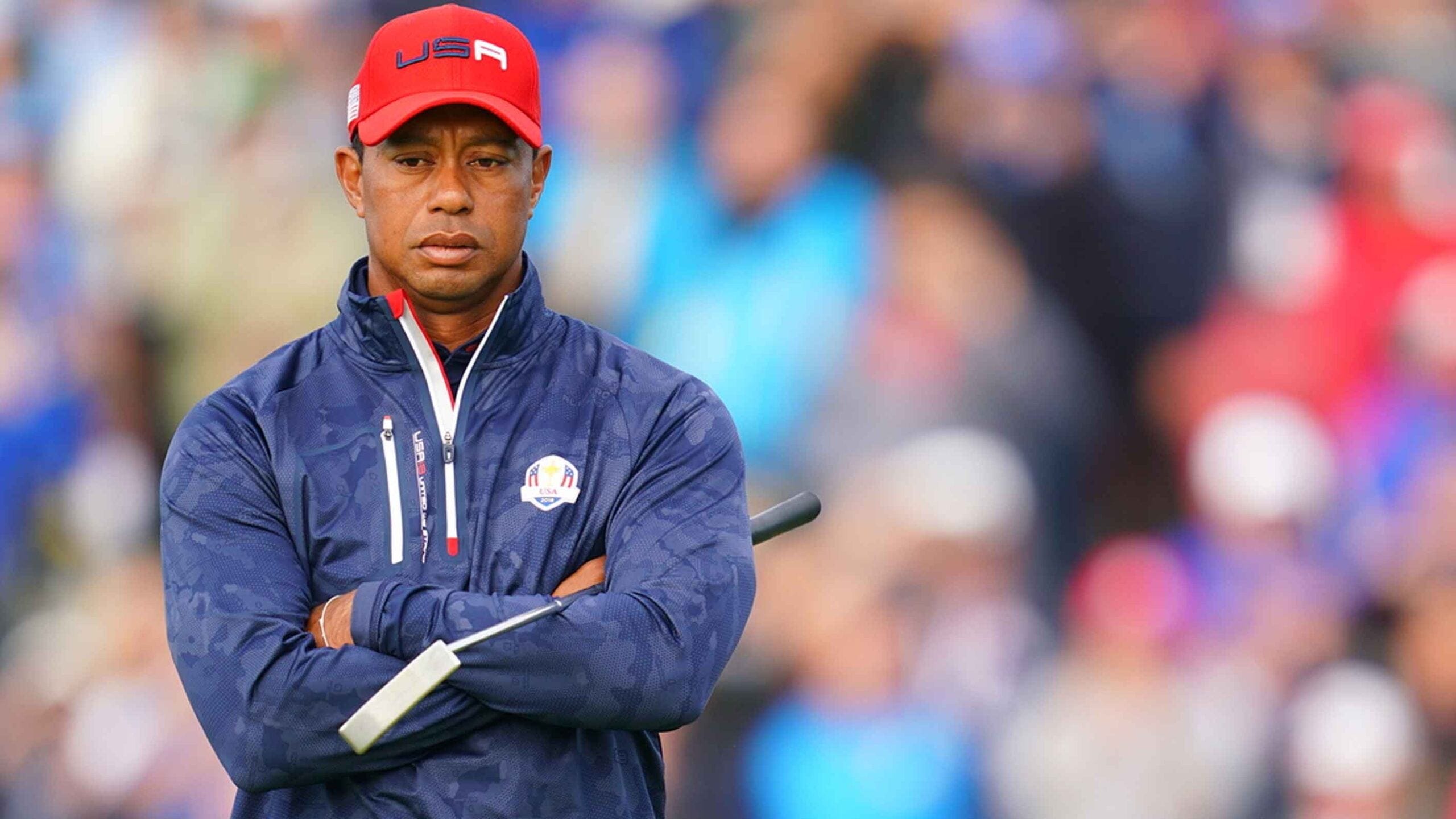


The 2025 Ryder Cup: The Evolution of Leadership in American Golf
The anticipation surrounding the Ryder Cup at Bethpage Black in 2025 has golfers and fans alike buzzing with excitement. One of the hot topics for discussion has been the captaincy of the U.S. team. In a game of “Name That Captain!” many believed Phil Mickelson would take the helm, given his deep-rooted ties to the area and his storied career. Mickelson’s charm and heart-wrenching near-wins, particularly his four second-place finishes in U.S. Open tournaments in New York, have long made him a fan favorite. His victory at Baltusrol certainly didn’t hurt his status either. However, his departure to LIV Golf has created a significant shift in the narrative regarding U.S. team leadership.
With Mickelson out of the picture, the spotlight turned toward Tiger Woods. As one of golf’s most iconic figures, Woods was a prime candidate for the role, especially considering his previous success and experience as a playing captain, such as at the 2019 Presidents Cup. His ability to effectively lead and inspire the team is well-documented. However, instead of joining the efforts in Rome or stepping up for Bethpage, Woods decided to pass on the opportunity, effectively reshaping expectations for the future; thus, the search for leadership became more unpredictable.
When the American squad gathers for the opening ceremonies at Bethpage on Wednesday, it will not be Woods or Mickelson at the forefront. Instead, it will be Keegan Bradley. The decision to appoint Bradley as the captain surprised many. He has emerged as a focal point in American golf, showcasing a mix of skill, enthusiasm, and fresh perspective that many believe can resonate with younger golfers. This unexpected development highlights that traditional expectations may no longer align with the evolving landscape of professional golf.
Looking ahead, the conversation in the golfing community quickly pivots to future Ryder Cups. Speculation is rife about who will captain Team USA in 2027 when the event returns to Adare Manor in Ireland. Brandel Chamblee suggested that Woods could be a choice for that pivotal role. It’s undeniable that Woods has a strong affinity for Ireland, as evidenced by his camaraderie with local personalities and his appreciation for the country’s rich golfing history. The compelling potential of Woods as captain further enlivens the anticipation for future competitions.
If Bradley performs successfully during the 2025 Ryder Cup, he could solidify his position to captain the U.S. team in Ireland. A win or even a competitive loss might correlate with a second selection. Bradley’s Irish heritage, combined with his youth and competitive spirit, makes him an appealing candidate for a team seeking continuity. The sentiment among players is also critical; many prefer stability and familiarity over drastic changes as evidenced by the underlying sentiment expressed by team manager Johnny Wood.
As discussions continue regarding the power dynamics within American golf, one can’t help but ponder the unconventional trajectory of legendary players like Woods and Mickelson. It raises questions about tradition and modernity. Historically, captains of teams like the Ryder Cup have been resembled by figures like Arnold Palmer and Jack Nicklaus, who set standards in golf leadership. Yet Woods and Mickelson, despite their accolades, find themselves navigating new waters—each carving out a legacy separate from those traditions.
Intriguingly, Woods’s reluctance to take on captaincy casts a shadow over his otherwise illustrious career. While he has committed deeply to the PGA Tour, his choice indicates a dichotomy in what captaincy has come to represent. For many players, including Bradley and Luke Donald, being captain holds intrinsic value, but for Woods, the pressure could potentially exceed the personal rewards.
As the golf world gears up for the upcoming Ryder Cup, the stakes have shifted. With new leadership in Bradley and the looming future possibilities for the likes of Woods, professional golf is entering a transformative period. The conversation around captaincy is evolving—players are now grappling with the impact of decisions on their legacies and the weight of traditional expectations versus modern interpretations.
In conclusion, the 2025 Ryder Cup will not only be a competition but also a critical battleground for defining the next generation of leaders in American golf. As the sport continues to grow and embrace changes, one thing remains clear: the dynamics of leadership within golf will play a pivotal role in shaping the future of the sport. The excitement surrounding what lies ahead—both in terms of competition and leadership—fuels discussions among fans and players alike as they navigate this new era. As we await players’ performances and captaincy choices, one cannot ignore the rich tapestry of golf’s history that continues to affect its evolving narrative.


