









When Mental Resilience Meets Bad Luck: What Hideki Matsuyama’s Phoenix Collapse Teaches Us About Golf and Life
There’s a moment that happens to most golfers—amateur and professional alike—when everything unravels in front of you. You’ve fought hard. You’ve managed expectations. You’ve even made the smart shots when your game wasn’t at its best. And then, in an instant, it all falls apart in a way that’s partly your fault and partly completely out of your control.
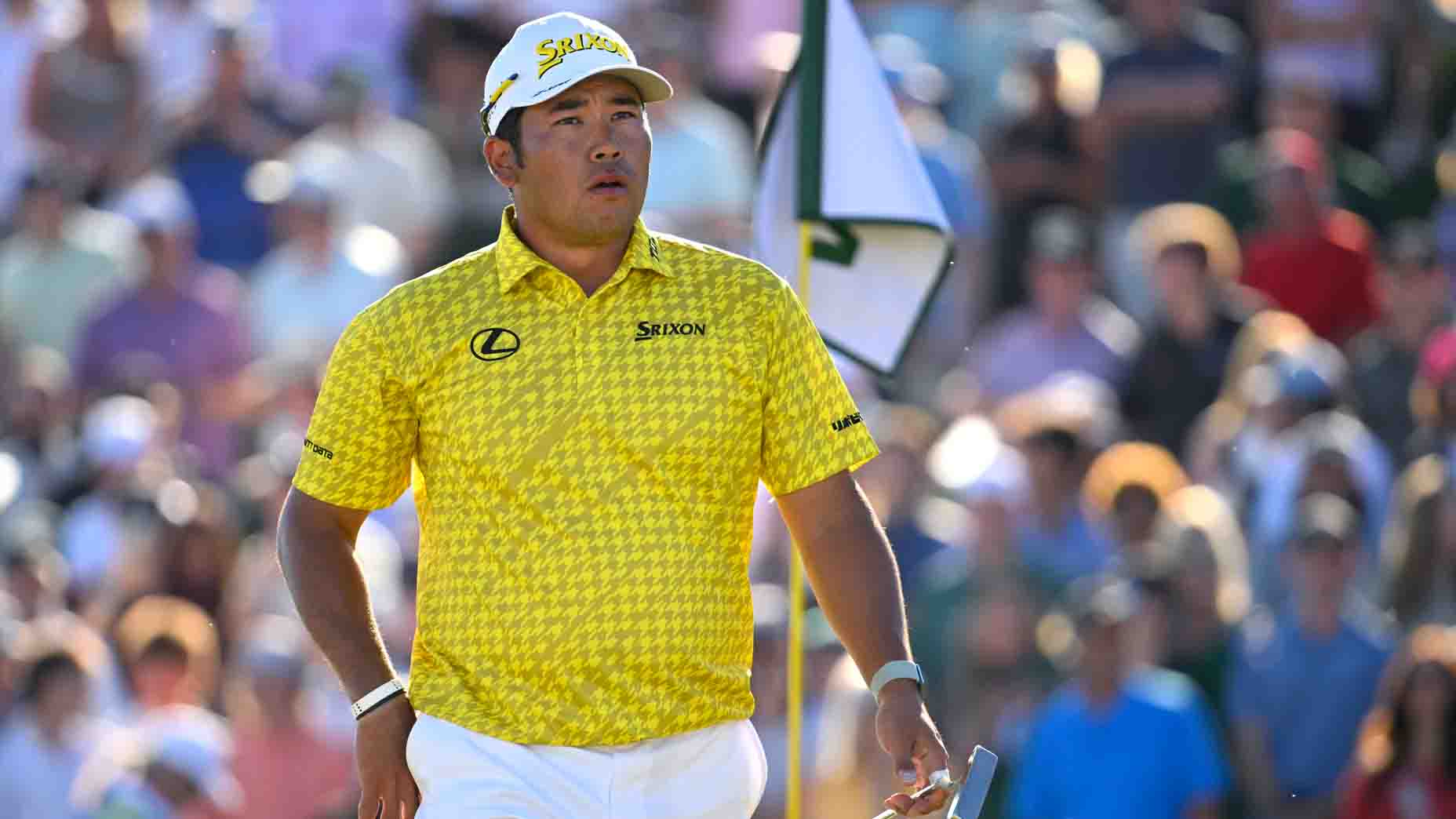
That’s exactly what happened to Hideki Matsuyama at TPC Scottsdale this past Sunday, and honestly? It’s one of the most human stories golf has given us in a while.
The Art of Managing What You Can’t Control
Let’s be real: Matsuyama’s collapse wasn’t about one bad shot. It was about a week of fighting against himself. The stats tell the story clearly—he ranked 70th in Strokes Gained: Off the Tee and hit just 44 percent of his fairways. For a player trying to win, those are brutal numbers. Most golfers would have folded much earlier in the week.
But here’s where the lifestyle lesson kicks in. Matsuyama didn’t give up when things got ugly. For 71 holes, he essentially played a masterclass in damage control, leaning on an exceptional short game to compensate for his off-the-tee struggles. His approach play and putting were elite—second and third in their respective categories for the week. He was literally performing magic with his irons and putter, creating escape routes from the tight spots his driver kept putting him in.
This is something I’ve noticed more and more in conversations with competitive golfers: the players who thrive aren’t always the most naturally gifted. They’re the ones who can compartmentalize, adjust on the fly, and refuse to spiral when Plan A isn’t working.
For everyday golfers, this translates to something powerful. You don’t need perfect technique to have a good round. You need resilience. You need the mental fortitude to say, “My driver is letting me down today, so I’m going to trust my irons and my short game.” That’s not quitting—that’s strategic thinking.
The Compounding Effect of Small Things
Here’s where it gets interesting from a mental wellness perspective. Matsuyama’s week wasn’t derailed by one catastrophic swing thought. It was built on a foundation of accumulated stress. Every missed fairway added pressure. Every recovery added mental load. By the time he walked onto the 18th hole in regulation with a one-shot lead, his nervous system had been working overtime for four hours.
When the gallery yelled during his par putt attempt—a completely external disruption he couldn’t have predicted—it was the straw that broke an already-compromised camel’s back. His miss wasn’t really about that noise. It was about having nothing left in the tank mentally.
Then came the playoff, and things got even more chaotic. Just as Matsuyama began his downswing on the tee, an accidental chair drop pierced the desert air. He backed off, regrouped, and then his subsequent drive sailed left toward the church pew bunkers before hitting a gallery rope pole and ricocheting into the pond.
“Was grinding all weekend. Didn’t have my best stuff, but hung in there. I wanted to avoid the playoff as much as I could, but I just hit a bad tee shot there in regulation at 18.”
What strikes me about Matsuyama’s reaction afterward is the measured perspective. He acknowledged the grinding, the lack of his “best stuff,” and the tee shot that ultimately started the unraveling. There was no blame passed to the crowd noise or the dropped chair. There was just acceptance and a commitment to move forward.
Building Your Mental Resilience Game Plan
If you’re playing competitive golf—whether it’s club championships, member-guest tournaments, or even just friendly weekend matches with money on the line—Matsuyama’s experience offers some practical takeaways:
Identify your weaknesses early and plan around them. Matsuyama knew his driver was off that week. Rather than hoping it would improve, he adjusted his strategy. Before your next tournament, do an honest assessment: What’s not working? How can your other skills compensate?
Build in mental reset moments. The crowd noise during Matsuyama’s putt and the chair drop during his drive both required him to back off and restart his process. Practice this. In high-pressure moments, develop a routine that includes a genuine reset—a few deep breaths, a reset of your alignment, whatever grounds you mentally. Make it habitual so it’s available when you need it.
Recognize cumulative fatigue. Golf is mentally exhausting, especially when you’re fighting your own game. If you’re playing back-to-back tournament rounds or a long regular season, pay attention to your energy levels. Adequate sleep, proper nutrition, and maybe even some stress management (meditation, yoga, even just walks) aren’t luxuries—they’re maintenance for your mental equipment.
“It’s disappointing. Shock. Learn from it, and just get back up on the horse next week.”
That’s the mindset that separates golfers who improve from those who get stuck in frustration. Matsuyama lost a tournament in a way that few would forget—partly due to his own play, partly due to circumstances completely beyond his control. His response? Learn and move on to next week.
The Bigger Picture
In a sport that can feel like it’s all about perfection and control, Matsuyama’s collapse actually reminds us of something more valuable: golf is deeply human. You can play near-perfect for 71 holes and still lose. You can do everything right and have a chair fall at the wrong moment. You can manage your game brilliantly only to have luck conspire against you on the final hole.
That’s not a tragedy. That’s golf. That’s life.
The real victory isn’t about avoiding these moments. It’s about how you respond when they inevitably arrive. Matsuyama’s ability to stay composed through an entire week of imperfect golf, then face two separate external disruptions without completely losing it—that’s the lifestyle lesson worth taking home.


