







An In-Depth Look at Tiger Woods’ Iconic 2000 Golf Bag
Tiger Woods’ golf bag has long captured the fascination of golf enthusiasts, experts, and everyday fans alike. The gear he used during the 2000 season, particularly his Titleist set, is often regarded as one of the most significant in sports history. In this article, we will dissect the components of his bag, elaborate on the significance of his performance that year, and explore what made his setup so unique.
Overview of Tiger’s 2000 Season
Before diving into the specifics of Woods’ golf bag, it’s important to understand the achievements he racked up during this remarkable year. In 2000, Woods participated in 20 tournaments, clinching nine wins, which included three major championships—the U.S. Open, The Open Championship, and the PGA Championship. His earnings for the year totalled around $9.2 million, which translates to an impressive estimated $57-59 million in today’s payout structure. He frequently finished in the top ten, boasting an average finish of fourth and a scoring average of 68.11. This season is undoubtedly regarded as one of the greatest performances in the history of sports.
The Components of Tiger Woods’ Golf Bag
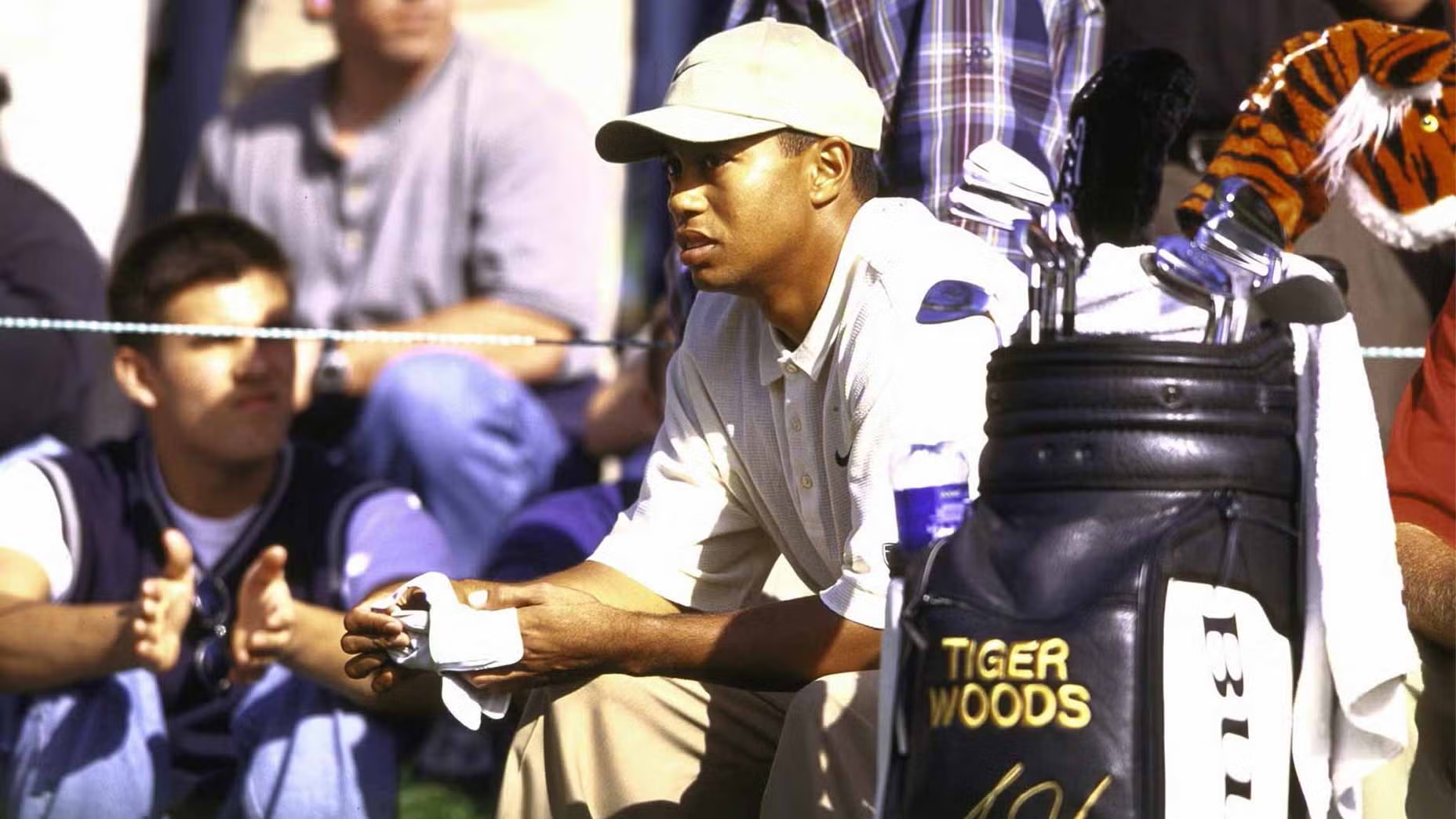
Tiger Woods’ 2000 golf bag was meticulously crafted to cater to his playing style, allowing him to achieve his unparalleled performance. Here’s a breakdown of the essential clubs and equipment that defined his setup:
- Driver: Titleist 975D with a Dynamic Gold X100 shaft, measuring 43.5 inches and set to a loft of 7.5 degrees.
- 3-Wood: Titleist 970, identical in shaft specifications to his driver, measuring 42.5 inches with a loft of 15 degrees.
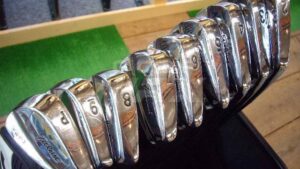
- Irons: A set of Titleist 681T irons (from 2-PW), characterized by their weak lofts. The shafts were fitted with Dynamic Gold X100, and they were designed for performance and feel.
- Wedges: Woods utilized Titleist Vokey 258/08 and 260/06 wedges with Dynamic Gold S400 shafts.
- Putter: His famous Scotty Cameron GSS Newport 2 Tri-Sole featuring a lightweight design—a defining characteristic of his success on the greens.
- Golf Ball: Nike Precision Tour Accuracy, known for its performance and feel.
- Grips & Glove: Equipped with Golf Pride Tour Velvet Cord grips and a Nike Tour Authentic glove.
The Importance of Each Golf Club Component
Tiger’s approach to his gear was precision-oriented yet feel-based. For instance, his driver was heavily customized, demanding specific attention to detail to ensure optimal performance. The standard industry practice involves measuring different components like length and loft, but Woods’ team opted for a more intuitive, feel-based method. This practice emphasizes personalized fitting over conventional specifications.
The Driver: Titleist 975D
Woods’ Titleist 975D driver has gained legendary status among golf equipment aficionados. It offered a blend of power and control, measuring an unconventional 43.5 inches in length. The shaft was tipped to his desired preference, enabling a stouter feel that complemented his swing dynamics perfectly.
The Irons: Titleist 681T
What makes his 681T irons particularly interesting is their loft profile. Compared to modern standards, these clubs had "weak lofts," allowing Woods to maintain his distance with exquisite precision. For context, a standard Tour loft package drastically differs from Woods’ set, showcasing just how unique his approach was to iron play.
The Putter: Scotty Cameron GSS Newport 2
No discussion of Woods’ 2000 bag can overlook his iconic putter, the Scotty Cameron GSS Newport 2. Weighing in at only 326 grams, it was a stark contrast to more modern putters that can exceed 400 grams. Tiger preferred this lightweight design, allowing him maximum feel and touch on the greens. It’s a testament to how a player’s preferences can fundamentally alter the efficacy of their gameplay.
Key Observations from Woods’ Setup
As we evaluate Woods’ 2000 bag, a few intriguing observations stand out:
-
Weak Lofts in Irons: Despite the absence of advanced technology like Trackman during that time, Woods relied on feel and precision, which is often overlooked in contemporary discussions about golf clubs.
-
Customization Practices: Woods’ clubs were highly personalized; for example, a quarter-inch tipping on his irons for sensations about stability and feedback was a unique approach at that time.
-
Eyeballing for Polished Performance: Tiger’s team utilized a technique of eyeballing the loft on his driver, emphasizing a hands-on approach to club selection—a method often lost in the current data-driven climate.
- Lightweight Putter Design: The significant difference in putter weights highlights Woods’ commitment to feel, illustrating how equipment preferences can profoundly shape a player’s on-course performance.
The Legacy of Tiger Woods in 2000
Woods’ impressive year in 2000 raised the bar for golfers everywhere. The seamless marriage between high-caliber performance and deeply personalized equipment showcases a model that transcends mere statistics. His ability to dominate with such an atypical setup challenges the contemporary norms wherein technology and advanced fitting dominate the conversation about golf success.
Reflections on Woods’ Influence Today
As we celebrate Tiger Woods and his legendary 2000 success, one has to wonder how he would adapt to today’s tournament environment. Modern technology, advanced fitting techniques, and a new generation of equipment could have enhanced his already unparalleled skills. Just as Michael Jordan continues to influence basketball, Woods remains a pivotal figure in the golfing landscape.
Conclusion: Happy 50th, Tiger Woods
As we reflect on the monumental achievements of Tiger Woods during the year 2000, it’s worth recognizing not just his victories, but the intricacies and details of the equipment that contributed to his success. Celebrating Woods today is a reminder that golf is not just a game of skill; it’s a delicate balance of feel, precision, and the right equipment tailored to the player. Woods’ journey, marked by groundbreaking performances and game-changing gear, sets an example for aspiring golfers everywhere.
For a deeper dive into his iconic clubs, including insights from Titleist Tour Promotion Representative Larry Bobka about the crafting of Woods’ equipment, check out our comprehensive podcast episode here.


