









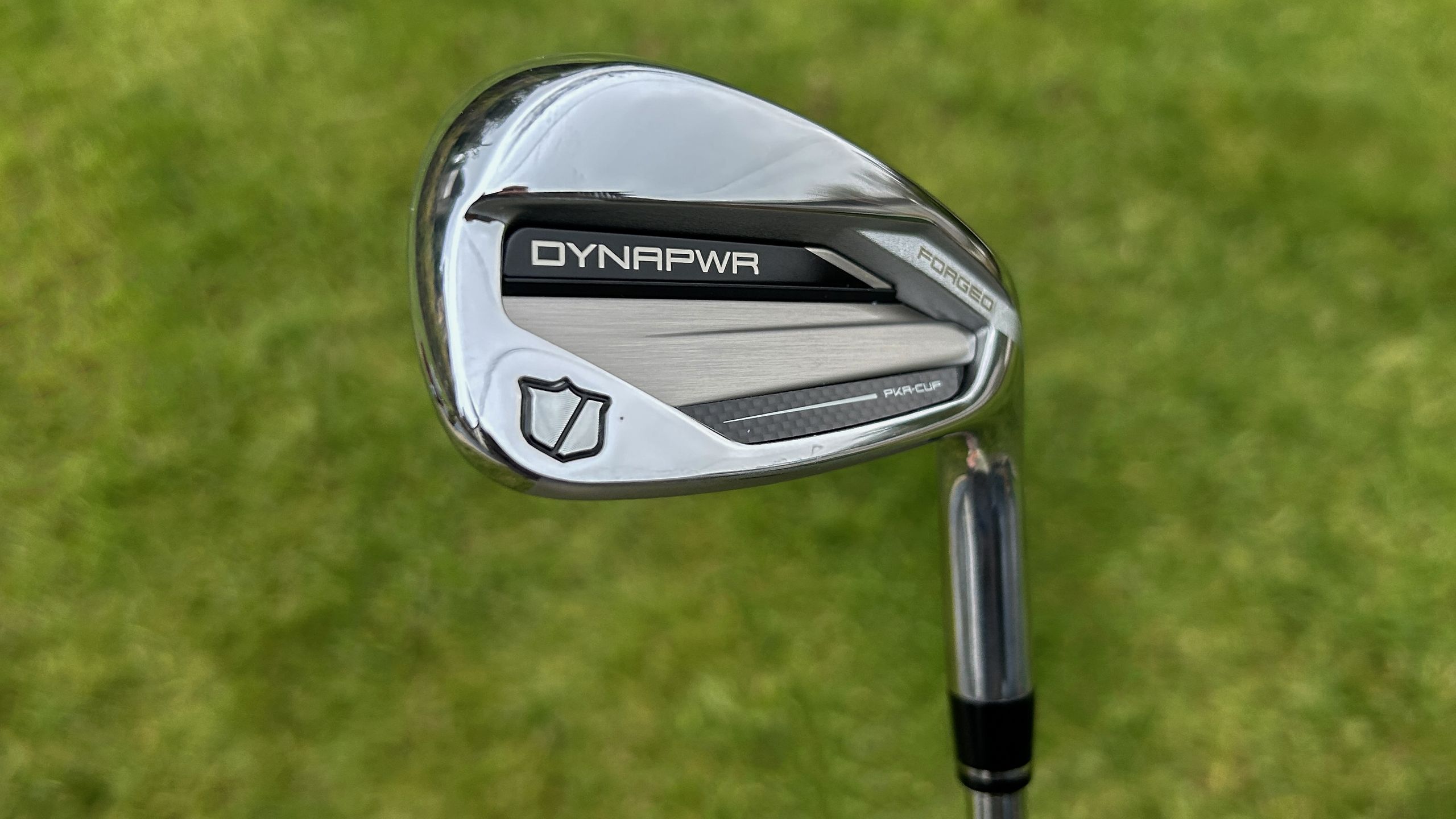
Wilson 2026 Dynapwr Forged Iron: A Deep Dive into Performance and Design
The Wilson 2026 Dynapwr Forged Iron emerges into a competitive golf market, combining the sleek aesthetics of a player’s iron with the high-tech features usually designated for game-improvement models. Aimed at players who desire forgiveness and distance without compromising on premium aesthetics, this iron stands out in its category.
Key Features and Technology
The Dynapwr Forged Iron boasts innovative technology designed to enhance performance. Here are the key features:
- Forged Construction: Built with a forged 8620 carbon steel face and body, providing excellent feel and responsiveness.
- Variable Face Thickness Technology: Optimized by artificial intelligence, this technology enhances face flexion, increasing both energy transfer for maximum distance and speed.
- TE-031 Urethane Fill: This urethane filling dampens vibrations at impact, resulting in a softer feel compared to previous models.
Visual Appeal
On a visual level, the Dynapwr Forged Iron presents a mixed bag. While some may prefer the simplicity of its predecessor’s design, the new model incorporates a more modern look. Notably, the Wilson shield logo without accompanying lettering gives it a cleaner aesthetic, and the traditional sole visual improves upon last year’s model.
Aesthetic Comparison
- Previous Model: Featured an overly busy back cavity design.
- 2026 Model: Offers a modern approach with cleaner lines and a focused design.
Performance Assessment
Upon testing the Wilson 2026 Dynapwr Forged Iron, several performance aspects stood out:
-
Soft Feel: Compared to last year’s model, the new iteration feels significantly softer. The combination of forged construction and urethane filling provides a muted impact sensation that enhances playability.
- Distance Consistency: Using the Foresight Sports GC3 Launch monitor, both distance and ball speed measurements were impressive and consistent. Even among poorly struck shots, carry distance remained commendably consistent, showcasing the effectiveness of the variable face thickness technology.
Performance Insights
- Softness: Noticeably improved feel compared to its predecessor.
- Distance: Maintains impressive distance even on off-center strikes.
Competitive Landscape
Despite the merits of the Dynapwr Forged Iron, there are concerns regarding its market positioning. The Staff Model XB, part of Wilson’s own lineup, presents a strong alternative. While the Dynapwr is marginally stronger in loft, the overall package of the Staff Model XB might appeal more to players seeking a refined look combined with distance enhancements.
Key Comparisons
- Dynapwr Forged Iron: More forgiving with added offset for slices.
- Staff Model XB: Preferred by players who desire a ‘better player’ aesthetic without sacrificing distance.
Conclusion
Overall, the Wilson 2026 Dynapwr Forged Iron is a solid performer in the iron category. It effectively delivers distance and forgiveness while maintaining a visually appealing design. However, players might find themselves torn between this model and Wilson’s exceptional Staff Model XB, especially those looking for a golf club that offers both aesthetics and performance.
Summary
- Pros: Forgiveness, soft feel, good distance consistency.
- Cons: Competes closely with Staff Model XB, which may offer better overall appeal for some players.
As players seek to enhance their game in 2026 and beyond, the Dynapwr Forged Iron stands as a commendable option, blending technology and design for improved performance on the course.


