









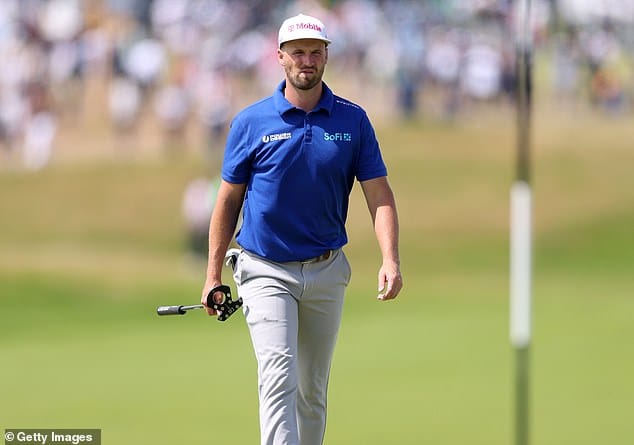
Wyndham Clark’s Locker Incident: A Complete Analysis and Apology
Wyndham Clark, the talented professional golfer, has recently stirred up conversations in the golfing community following a regrettable incident at the Oakmont Country Club during the US Open. This event, which involved Clark damaging his locker in a moment of frustration, has not only led to an official ban from the prestigious club but also sparked discussions about the pressures athletes face. In this comprehensive article, we will break down the details of the incident, Clark’s reactions, and what it all means for his future in the sport.
The Incident at Oakmont Country Club
On June 16, during the 2023 US Open held at Oakmont, Clark lost his temper and vandalized two locker doors. This outburst resulted in immediate repercussions, including a ban from the club issued by Oakmont’s president, John Lynch. The incident quickly went viral, shedding light on how athletes sometimes struggle to control their emotions under extreme pressure.
Clark’s Response and Apology
Over a month after the incident, Clark finally addressed the media during a press engagement at The Open. He expressed regret for his actions and acknowledged the consequences he now faces. "I did something awful, and I’m really sorry for it," he stated. His admission reflects a critical moment of accountability, highlighting the importance of emotional regulation in high-stakes sports.
Future at Oakmont: Uncertainty Looms
Clark’s future at Oakmont is filled with uncertainty. When asked about his ability to return, he stated, "That’s up to them," indicating he understands the gravity of his actions. He emphasized that he hopes for forgiveness, expressing that Oakmont is a fantastic course where he’s eager to play again. His comments represent more than just a desire for redemption; they illustrate the emotional toll that competition can take on athletes.
Conditions for Lifting the Ban
In a letter addressed to club members, President Lynch outlined specific conditions that Clark must meet in order for the ban to be reconsidered. These include paying for damages incurred, making a substantial charitable contribution, and undergoing anger management therapy. This multi-faceted approach to address his outburst emphasizes the need for personal growth and responsibility, especially in a public setting.
Keeping it Private: A Personal Reflection
Clark also expressed disappointment regarding the public nature of his actions. He had initially hoped to resolve the issue privately but acknowledged that this was not the case. "We were hoping it was going to be private," he remarked, further revealing an understandable vulnerability in athletes who often face scrutiny for their actions.
A Long Break from Oakmont
It’s worth noting that Oakmont will not host the US Open again until 2033, meaning that Clark, should he be allowed back, will have a long wait before competing again on that particular course. Having secured a 10-year exemption for winning the US Open in 2023 gives him some opportunity but does not guarantee a future at Oakmont if he fails to meet club conditions.
Mental Health and Personal Growth
Clark’s recent outbursts are not isolated incidents. He faced criticism after a similar incident at the PGA Championship earlier this year where he damaged an advertising board in a fit of anger. These moments underline a growing dialogue about mental health in sports. "I’ve been pretty open about my mental shift and change to get better," he shared, pointing to his ongoing efforts to manage the pressures of competition effectively.
Learning from Mistakes
Reflecting on his actions, Clark recognized that they do not represent the person he aspires to be. "One thing that it did do is wake me up and get me back into the person I know I am and want to be," he admitted. This admission not only serves as a lesson for Clark but also for other athletes experiencing similar pressures. It emphasizes the importance of resilience and personal accountability during challenging times.
Redemption on the Course
Despite the turmoil surrounding him, Clark recently demonstrated his golfing prowess at The Open, finishing strong with a six-under final round. This performance stood in stark contrast to the frustrations earlier in the month, showing that even amidst personal challenges, focusing on the sport remains crucial. His strong finish also hints at his capability to learn from mistakes and elevate his game under pressure, a skill that’s vital for success in professional sports.
Conclusion: A Path Forward
Wyndham Clark’s incident at the Oakmont Country Club and his subsequent actions serve as a vital learning experience, not just for him but for the broader sporting community. The pressures of competitive sports can lead to emotional breakdowns, but how athletes choose to manage these situations speaks volumes about their character and growth. As Clark continues to navigate his career, it will be interesting to see how he embraces the lessons learned from this experience and whether he can return to Oakmont under friendlier circumstances in the future.
Wyndham Clark’s journey emphasizes that sports are not just about victories and trophies; they also involve emotional resilience and personal development. As we move forward, it’s essential to support our athletes as they navigate the challenges of their careers while holding them accountable for their actions.


