


Unlocking Power in Your Golf Swing: The Importance of Timing
When golfers seek to enhance their performance, the focus often lies on speed training or perfecting a bigger turn. Yet, amidst this quest for power lies an often-overlooked element that’s crucial to achieving true distance: timing. Specifically, the timing of your swing’s delivery can be a transformative aspect of your game. This article will delve into why timing is paramount, how it impacts your swing, and practical techniques to improve it.
Understanding the Role of Timing
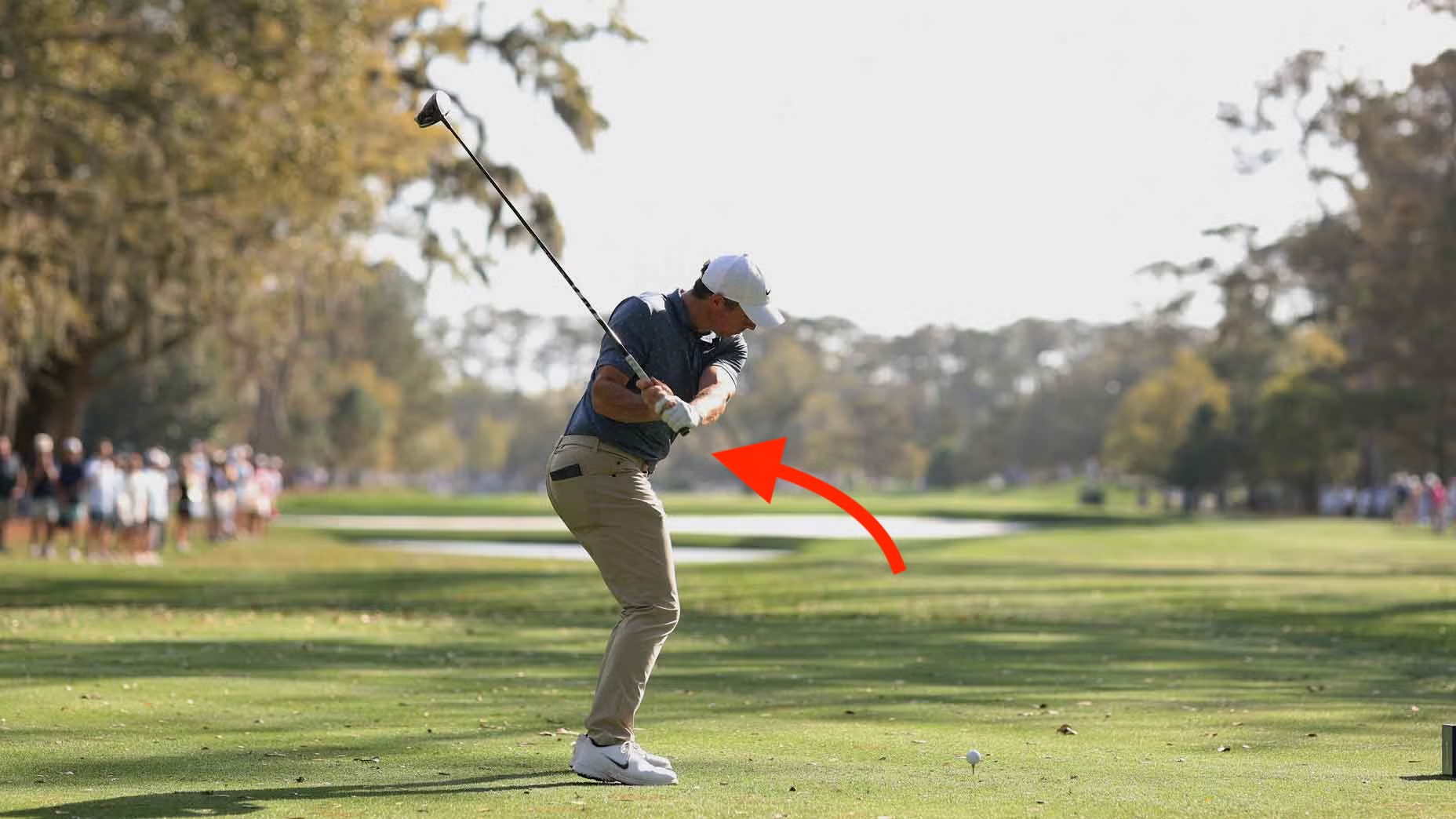
Timing in golf refers to the coordination of your body’s movements during the swing, especially during the transition from the backswing to the downswing. Elite players and instructors recognize its significance, but it often remains unfamiliar ground for the average golfer. The ability to delay the delivery of the club can enhance angular force—essentially the energy that propels the ball with power. This insight can lead to measurable improvements, not just in swing speed but also in overall control.
The Science of Delivery Timing
According to renowned instructor Joe Plecker, the essence of effective timing lies in maintaining specific angles throughout the swing. When you rush from the top of your swing into the downswing, you risk an early release. This premature action can drain your swing of potential power, as you’re losing built-up energy before making contact with the ball. Delaying that release allows for a more powerful, controlled strike, optimizing your energy expenditure and efficiency.
Mechanics of Angular Force
Many golfers mistakenly envision their swing as a simple rotation, with the arms acting merely as appendages. This misconception negates the importance of wrist angles, arm bends, and lead arm positions, all of which store angular force. The key to unleashing power lies in preserving those angles as long as possible. This approach ensures that when it’s time to release the energy, it results in a faster and more potent swing. Think of it as a tightly coiled spring waiting for the right moment to spring into action.
The Power of Space in Your Swing
Another crucial element in timing is the concept of space. Many golfers find themselves crowded when they initiate the downswing too early. This crowding can lead to compensatory movements that hinder performance. In contrast, by delaying your hip turn and allowing your lower body to flow into the swing, you can create the necessary space for the club to move freely. This "room" facilitates a more relaxed and faster swing, ultimately translating into more distance.
Training with Drills for Better Timing
To master the timing and sequencing of your swing, you need effective training techniques. One of the most impactful exercises introduced by Plecker is the "hockey drill." In this drill, take a mid-iron and adopt a standard setup. Once at the top of your swing, separate your hands on the club, mimicking a hockey player’s grip on their stick. This positioning will encourage the proper sequencing of arm and hip movements during the downswing.
Focusing on Sequencing and Delayed Release
While practicing the hockey drill, it’s essential to emphasize the delayed nature of your release. Instead of launching into a full swing immediately after reaching the top, permit your arms to descend naturally while your hips unwind. This coordination will help you develop the ideal timing for a powerful release, making it feel like you are "cracking the whip" as you contact the ball.
Stabilizing Your Lower Body
As you work on improving your swing’s timing, pay close attention to the stability of your legs. If you feel difficulty in completing your follow-through, you may want to adjust your stance slightly. For instance, pulling your trail leg back can help clear your body and allow for a natural release. Stability in your lower half will enhance your ability to synchronize your upper body movements, resulting in a more effective swing.
Building Consistency Through Practice
Mastering the art of timing takes diligent practice and patience. As you incorporate these techniques and drills into your training routine, focus on reinforcing the feel of a well-timed swing. Consistency is key, and over time, you will likely notice your swing becoming more fluid and powerful, resulting in improved distance and accuracy on the golf course.
Conclusion: Timing is Key to Your Golf Game
In the realm of golf, timing is the unsung hero of swing performance. By understanding its influence on your delivery and making conscious efforts to optimize it, you can unlock greater potential in your game. The journey to mastering timing may require patience and practice, but the rewards—enhanced speed, greater control, and increased distance—are well worth the effort. Seize the opportunity to focus on this vital aspect of your swing and watch as your game transforms.
