

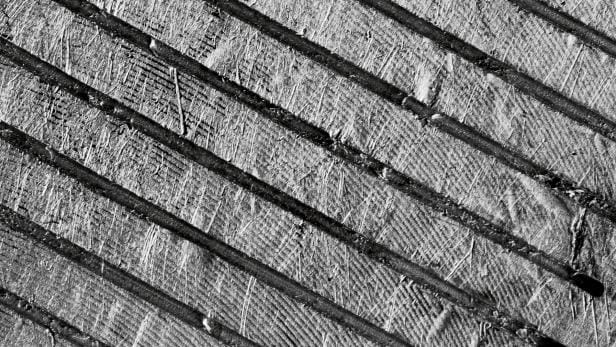

When it comes to prolonging the life of your wedges, it is important to understand that regrooving them yourself is not recommended. The tools on the market are not designed to replicate the intricate grooves created by manufacturers, and attempting to regroove your wedges can result in them no longer conforming to USGA rules. Instead, it is advised to simply clean the grooves occasionally to maintain performance. Dirty grooves can lead to a significant decrease in spin, affecting your overall game.
However, there comes a point when grooves start to wear from overuse, and this is when it may be necessary to consider purchasing new wedges. As grooves wear down, you lose groove volume and the edges become softened, reducing spin and control over your shots. Fresh grooves can provide more control and confidence, allowing you to hit the ball closer to the hole. It is important to consider how often you play and practice when deciding when to upgrade to new wedges.
Titleist reports that players like Jordan Spieth change out their 60-degree wedge every few tournaments, as testing shows that worn grooves can significantly impact performance. By having a fresh set of grooves, the average golfer can experience better spin and launch on their shots. Additionally, the type of golf ball you use can also affect how quickly your wedges wear down. Balls with urethane covers are more likely to cause wear on your wedges compared to cheaper options.
In order to determine when it is time to upgrade to new wedges, there are a couple of key indicators. If you play regularly and practice often, going two years without new wedges may result in decreased performance. Additionally, if you find that you need to change the grips on your wedges, this is a good sign that it is time for an upgrade. Ultimately, maintaining the grooves on your wedges is crucial for optimal performance on the course, and knowing when to invest in new wedges can greatly impact your game.
