


The Ryder Cup: An Examining Tradition, Emotion, and Golfing Etiquette
When it comes to professional sports, few enjoy the level of decorum inherent in golf. A question often posed is why spectators maintain reserved behavior during golf events, unlike the thunderous roars at football stadiums or basketball arenas. The answer lies deeply rooted in golfing etiquette. Robert Williams, a historian for the United States Golf Association, succinctly encapsulated this tradition with a single word: etiquette. He explained that golf has traditionally been a gentleman’s game where respect between participants is paramount, and this courtesy extends to the galleries as well.
The Legacy of Decorum in Golf
Etiquette is not merely a relic of the past. It shapes how the game is played, watched, and experienced. In early tournaments like the British Open and the U.S. Open, the audience comprised mainly golfers who were well aware of the unwritten rules of the game. This adherence to tradition has continued to influence the atmosphere at golf events. For instance, at Augusta National, any hint of rowdiness can result in a spectator being dismissed or even banned. On the PGA Tour, consistent applause follows successful shots, while players are met with silence as they prepare for crucial putts.
However, the atmosphere changes dramatically during events like the Ryder Cup, which is characterized by its unique fervor. This biennial competition pits the top players from the United States against their European counterparts. While traditional etiquette reigns supreme at most golf events, the Ryder Cup represents an exception to this rule, allowing for a more exuberant atmosphere fueled by national pride.
A Home Ground Advantage: Bethpage Black
The upcoming Ryder Cup at Bethpage Black promises to be an electrifying event. Known for its challenging layout and historical significance, the New York venue is expected to see fans expressing their passion and support with fervor. Crowds are certain to rally behind the American team, creating an environment that could very well heighten the emotional stakes for all players involved.
As the players step onto the course, they will need to navigate not just physical challenges but also an overwhelmingly supportive crowd. The home advantage in instances like these becomes a double-edged sword, pushing players to perform under the banner of national expectations while simultaneously introducing an additional layer of pressure. The intensity of the crowd, particularly in the New York area, means emotions will run high, and every shot will be magnified.
Darren Clarke: Emotional Moments in Ryder Cup History
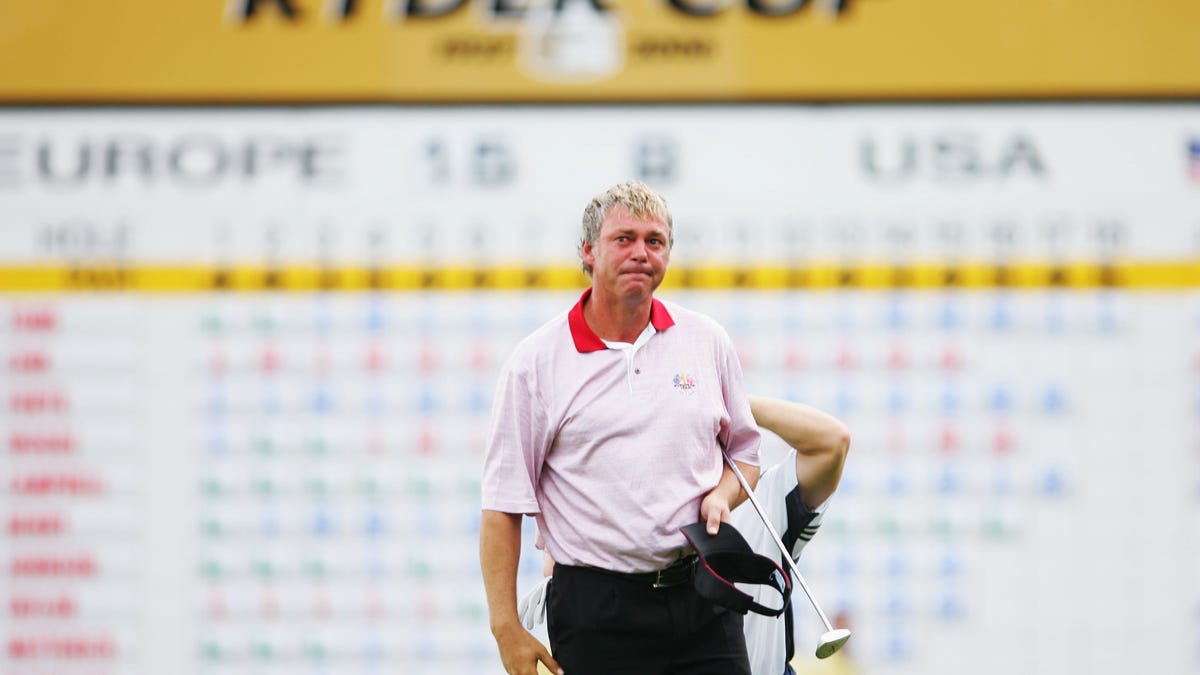
One of the most memorable stories from Ryder Cup lore involves Darren Clarke, who made waves with his courageous and emotional performance in 2006 at the K Club in Ireland. Just weeks before the tournament, Clarke faced a personal tragedy: the loss of his wife, Heather, to cancer. As he stepped onto the course, the weight of his loss hung heavily over him, yet this pain fueled his determination.
Clarke’s journey through the tournament exemplified the emotional rollercoaster many players endure. Through remarkable teamwork, he and his European colleagues triumphed, securing a resounding 18.5 to 9.5 victory over the Americans. Clarke’s performance was not only a testament to his skill but also to the power of team spirit in overcoming individual heartache.
Camaraderie Over Individualism: A Key to Success
One of the pivotal aspects that separates the Ryder Cup from other tournaments is the camaraderie that develops among team members. This is markedly different from the individualistic nature of regular tour events. Clarke recalls a crucial lesson learned from previous European greats: that success comes not just from individual prowess but from fostering a collective team spirit. The team mentality has contributed significantly to the European successes in the Ryder Cup, often dominating the series historically.
American players have worked on cultivating a similar team spirit in recent years, recognizing its significance. However, the contrasting approaches between the two teams—Americans often leaning towards individualism, while Europeans embrace team unity—remain central to the competition’s narrative.
What to Expect at the 2025 Ryder Cup: Noise and Camaraderie
The anticipation is high for this year’s Ryder Cup, especially given the venue’s reputation for lively crowds. Clarke observes that the raucous support for Team USA could profoundly impact performance as the emotional stakes are magnified. The intimate relationship between players and an energetic crowd at Bethpage Black represents a unique culmination of golf’s storied tradition and the raw emotions that accompany athletic competition.
In past competitions, players like Rory McIlroy have experienced the profound impact of the Ryder Cup atmosphere. McIlroy, who will participate in his eighth Ryder Cup, has become increasingly aware of how different emotions can surface during this high-stakes competition. From joy to frustration, the event brings to light the pressures and responsibilities players bear as representatives of their countries.
The Evolution of Emotions in Golf: Rory McIlroy’s Reflection
For McIlroy, participating in the Ryder Cup has become more than just a career milestone; it’s a deeply emotional experience that ignites his passion for the game. During the last Ryder Cup, he found himself surprised by the wellspring of emotions, feeling they encapsulated the essence of competition. He acknowledged that the Ryder Cup reveals different facets of players that might otherwise be hidden throughout the regular tour grind.
This illustrates that the Ryder Cup experience can redefine one’s relationship with both the sport and the pressures of performance. As McIlroy noted, the emotional overload can sometimes serve as a revelation of personal vulnerability, allowing players to better understand their motives and desires in the sport.
Bubba Watson’s Selflessness: The True Spirit of the Team
In 2016, Bubba Watson demonstrated an exceptional embodiment of the Ryder Cup spirit when he was passed over for selection. Instead of allowing disappointment to fester, he opted to serve as a vice-captain. His ability to prioritize the team above his own ego resonated with his fellow players and contributed significantly to the team’s triumph.
Watson’s active engagement, even from the sidelines, illustrated that passion for the game transcends mere participation. His emotional outpouring during the victory underscored the indelible mark such experiences leave on players and the importance of selfless dedication to a team’s success.
The Role of Team Dynamics in Golf
Ultimately, the relationship between emotional expression and successful performances at the Ryder Cup fosters an intriguing dialogue about individual ego versus team dynamics. For players like Graeme McDowell, discovering camaraderie’s importance took years of experience. First observed as a competitor and later as a vice-captain, he witnessed the transformative power of collective effort in overcoming nervousness and emotional turmoil.
McDowell’s reflections add depth to the ongoing conversation about what factors genuinely contribute to success in high-pressure environments like the Ryder Cup. As players push through their limits, the support systems they create together become increasingly significant, shaping their performance and emotional resilience.
Conclusion: The Ryder Cup as a Celebration of Golfing Tradition and Brotherhood
With emotions running high, the Ryder Cup continues to be a celebration of golfing tradition, sportsmanship, and national pride. As the competition unfolds at Bethpage Black, spectators and players alike will be treated to an extraordinary showcase where the stakes are heightened, and the bonds forged on the course exemplify the spirit of teamwork.
As always, the Ryder Cup reminds us that in golf, etiquette and camaraderie intertwine to create an unforgettable experience that speaks to the heart of the sport itself.
