


Stop Inflating Your Score: 6 Mistakes Leading to Three-Putts
Hey there, fellow golf enthusiasts! We all know that sinking a putt feels amazing, and nothing can derail a round quite like a three-putt. If you’re tired of watching your score balloon thanks to those pesky extra strokes, you’re not alone. Ask any golfer, and they’ll tell you three-putting is one of the fastest ways to ruin a scorecard. It’s often not just bad luck; the stats say it all. Scratch golfers only hit three-putts about 3% of the time, while a 25-handicapper triples that to an eye-watering 13%. Let’s dig into the common mistakes that could be costing you dearly on the green.
1. Unwittingly Adding Loft at Impact
Let’s kick things off with a biggie: adding loft without even knowing it. Most putters have a loft of about 2-4 degrees, but when you start flipping your wrists at impact, surprise! You’re effectively adding loft. This little trick can lead to inconsistent launches and varying distances, which directly messes with your distance control—the pesky root of so many three-putts.
To put this into perspective, scratch golfers average about 1.85 putts per green in regulation while higher handicaps balloon that to around 2.18. If you want to up your game, keep the butt end of your putter slightly ahead of the face through impact. Give this simple drill a shot: rest the shaft against your lead forearm during your strokes. This way, you’ll keep loft consistent and get that sweet roll we all crave.
2. Skipping the Putter Fitting
Crazy as it sounds, many golfers will invest in a driver fitting but neglect their putter entirely. I mean, which club do you actually use the most in a round? Your putter, right? If you’re using one off the rack with the wrong loft, lie, or even grip, you might be handing out strokes to your playing partners for free.
Seriously, do yourself a favor and get a putter fitting. Many local shops hold demo days, and fitters can help you discover the best putter for your unique game. It’s amazing how something as simple as a grip size can transform your ability to sink those tricky putts.
3. Lag Putting Without a Target
Now let’s talk about lag putting—specifically, doing it without a target in mind. Shot Scope data reveals that 83% of three-putts from a first putt outside 30 feet happen due to poor distance control. Leaving yourself a long first putt and then overshooting can make that next putt trickier than it needs to be.
If “just get it close” is your mantra, it’s high time for an upgrade. Choose a specific three-foot circle on the green as your target and practice those lag putts like you mean it. Try the ladder drill: roll putts to 30, 40, and 50 feet to sharpen up your speed control. Nail this, and you’ll be saving those precious strokes!
4. Misreading Greens with Just Your Eyes
Alright, let’s get real. Solid speed is great, but if you misread those greens, you’ll still drop strokes like a rock. Relying solely on your eyes can lead you astray—there’s often a subtle slope or grain at play that you won’t catch without a bit of footwork.
Try reading the greens with your feet as well. You don’t have to turn into a AimPoint devotee, but some foot awareness can help. Walk along your line and pay attention to which foot feels more pressure. Combine this with a read from behind the ball, and you’ll be hitting your target more confidently in no time.
5. Skimping on Short Putts During Practice
Okay, guilty admission time. Too many of us let those little knee-knockers slide, thinking they’re gimmies. But every stroke counts, and those missed short putts can add up fast. It’s time to step up your practice game!
Put some pressure on yourself during practice by trying to make 25 consecutive three-foot putts. If you miss even one, start the count over. Trust me, this method will get you into the groove and help you master a simple, repeatable stroke you can rely on in the heat of the moment.
6. Ignoring Face Angle at Impact
Let’s wrap this up with another biggie: face angle. TrackMan studies show that a whopping 87% of a putt’s starting direction is dictated by the face angle, not even the stroke path. Imagine putting perfectly but missing by just one inch? That can happen with a mere 0.6-degree misalignment!
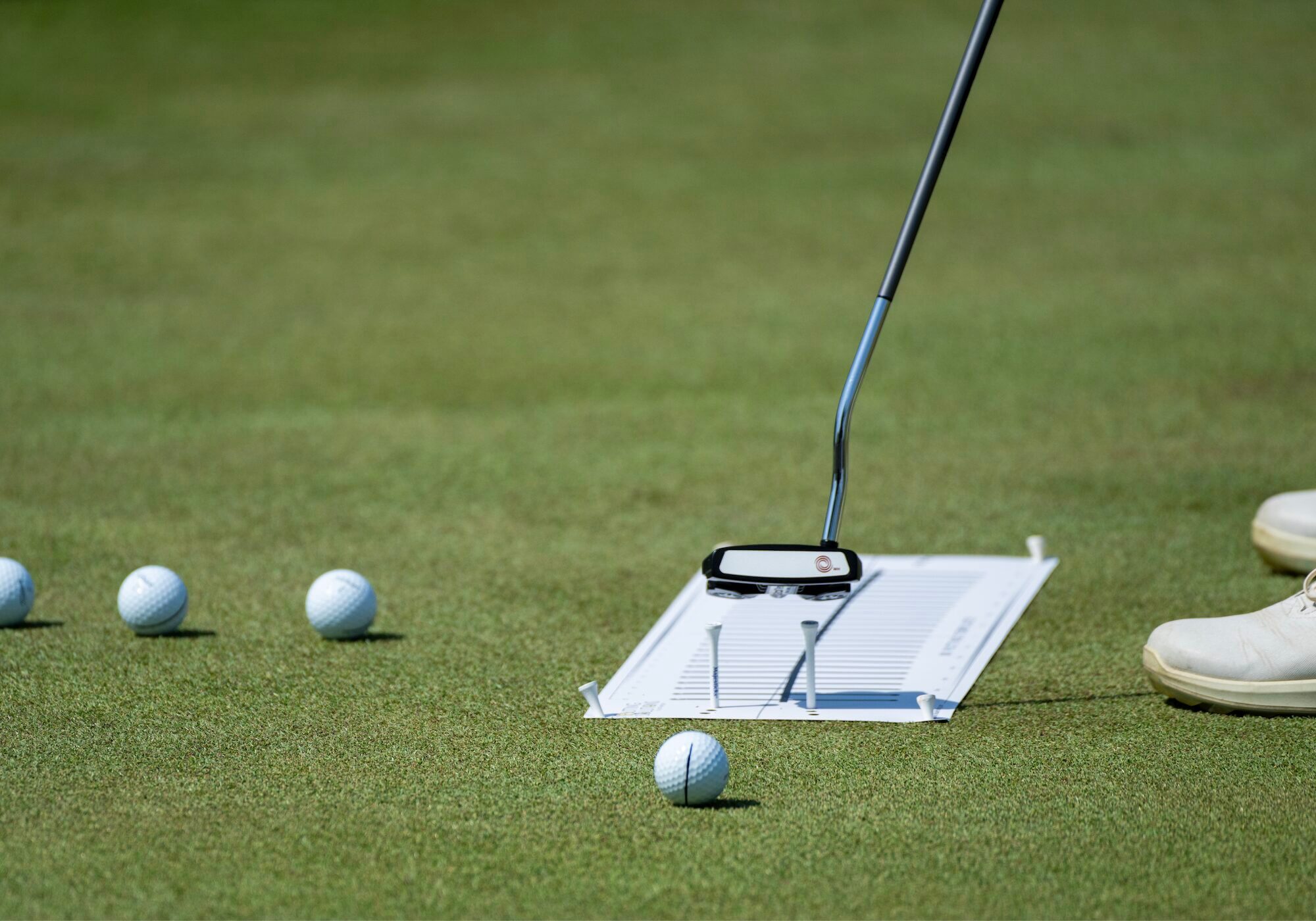
To tackle this, work on drills that maintain a square face at impact. A great exercise is the gate drill: set up two tees just wider than your putter head and roll putts without clipping either. For some visual feedback, use a chalk line or alignment stick to ensure you’re starting the ball right where you want it.
7. Not Considering Where You Leave Yourself
Being "on the green" isn’t always the golden ticket. Sometimes, you’re better off avoiding that 40-footer from a tough spot and opting for a more manageable chip. It might sound simple, but think about where you’re putting from when you’re on the approach.
Pay attention to your leave zones when making approach shots. Opt for flatter areas or aim for uphill putts whenever possible. This extra thought could help you avoid those pesky three-putts and keep your scorecard looking sharp.
Final Takeaway: The Power of Awareness
The takeaway here? Three-putts aren’t mere bad luck; they’re usually the result of repeatable mistakes. Focus on even one of these areas, and you’ll notice a drop in those extra strokes on the course. Gear up, practice smart, and watch your scores come down!
If you make some adjustments, trading in those painful three-putts for cleaner rounds is totally within your reach. Good luck out there, and may your putts start finding their way to the bottom of the cup!
