


The Future of Golf: Why Permanent Daylight Saving Time Could Transform the Industry
As we look to the distant future of our planet, scientists project that in approximately five billion years, the sun will exhaust its hydrogen supply, turning into a "Red Giant." This astronomical event will engulf the Earth and the inner planets in a fiery demise, marking the end of life as we know it. While this cosmic fate may sound alarming, it’s not an immediate concern for the golfing world—at least not in our lifetimes. Instead, a pressing issue is unfolding that could impact over 30,000 golf courses across the United States: the potential shift to permanent Daylight Saving Time (DST).
Understanding the Importance of Daylight Saving Time for Golf
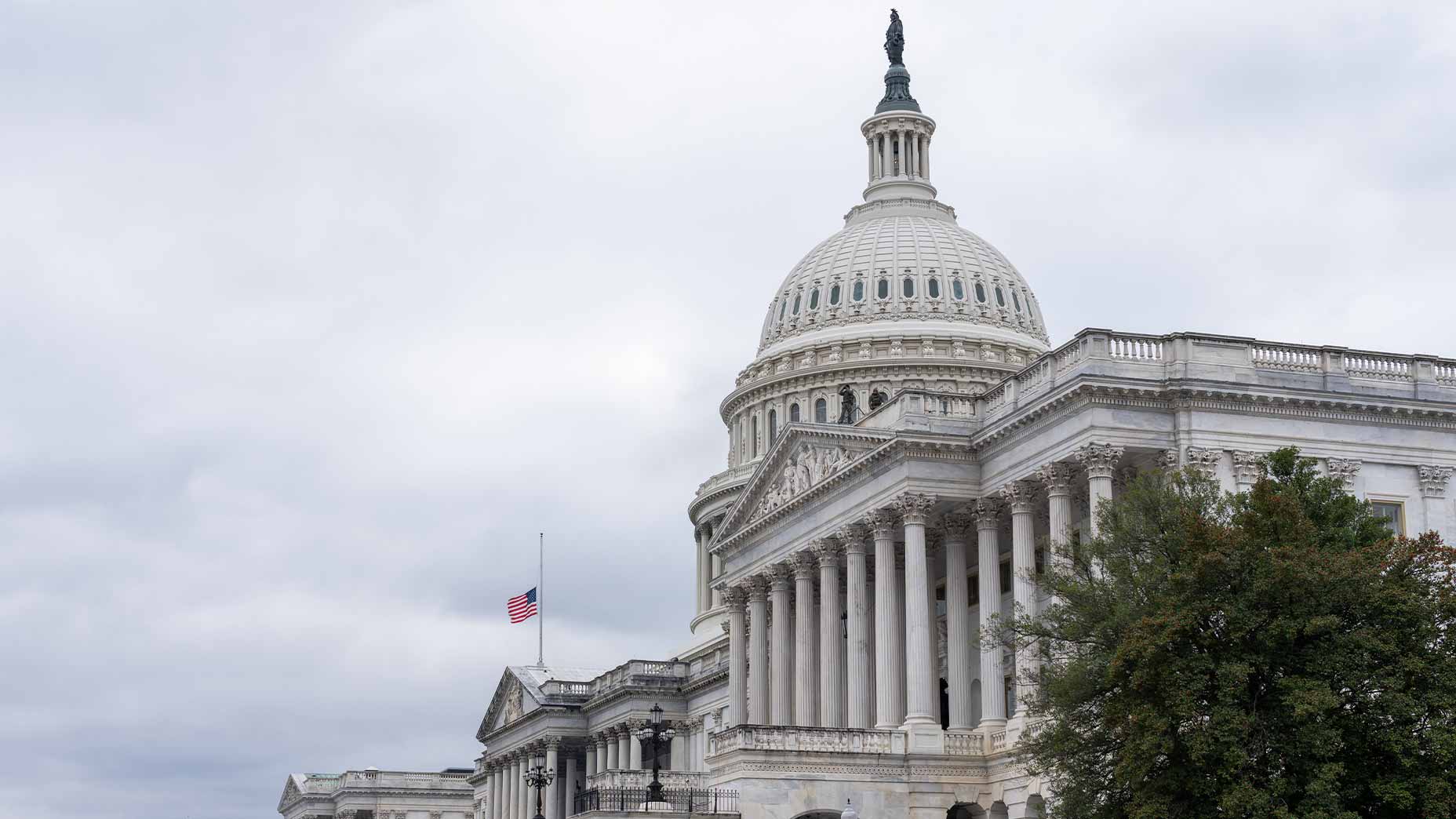
In 2025, the conversation around Daylight Saving Time has taken center stage, with industry leaders advocating for permanent DST. Jay Karen, CEO of the National Golf Course Owners Association (NGCOA), recently appeared before the U.S. House Committee on Energy and Commerce, underscoring the economic implications of this time shift. According to Karen, embracing permanent Daylight Saving Time could translate into a multi-billion-dollar opportunity for the golf industry. This begs the question: why is DST so critical for golfers and course operators?
Economic Impact: A Billion-Dollar Opportunity
The importance of Daylight Saving Time hinges on its potential to generate increased revenue for the golf industry, according to the NGCOA’s estimations. Karen articulated that a switch to permanent DST could lead to a minimum 1% uptick in the overall golf economy, with projections indicating an even higher impact of 2-5%. This translates to more rounds played, greater sales in pro shops, and increased revenue through food and beverage sales on the golf course.
A Historical Perspective on Daylight Saving Time
The debate surrounding Daylight Saving Time is rooted in history. The first U.S. trial of DST began during World War I as part of the Standard Time Act of 1918, designed to promote energy conservation. However, the implementation triggered backlash, especially from farmers who faced the consequences of disrupted schedules. The conflict over DST continued through subsequent decades, reaching a compromise in the 1966 Uniform Time Act, which established a half-DST, half-Standard Time system.
Legislative Progress and Challenges
While the topic of DST has resurfaced periodically in legislative discussions, significant movement occurred in early 2022 with the introduction of the Sunshine Protection Act. Inspired by public support and a generally winter-weary populace, this bill aimed to solidify DST as the permanent law. Despite initial enthusiasm, the bill faced obstacles in the House of Representatives, remaining stagnant without a vote.
Environmental and Economic Benefits of Light
Data presented by the NGCOA reinforces that golfers prefer to play during daylight hours, particularly in the afternoon and evening. This preference allows for greater course utilization and increased revenue potential. Karen emphasized that extending daylight hours would not only benefit the golf industry but would also promote healthier outdoor lifestyles among Americans.
Survey Insights: Support for Permanent DST
Support for permanent DST is high among golf course operators. A survey revealed that approximately 64% of NGCOA members support the change, while an overwhelming 83% believe it will positively affect their business. The consensus suggests that more sunlight translates directly into increased participation and revenue in the golf sector.
Addressing Staff Concerns
While the prospects of additional daylight seem promising, there are concerns regarding the impact on clubhouse staff and employees. Golf course operators worry that a permanent switch to DST might necessitate longer shifts without adequate breaks for staff. However, many believe the potential economic benefits outweigh these challenges.
Conclusions: Looking Towards the Future
As the debate around Permanent Daylight Saving Time continues, the golf industry stands at the forefront of this pivotal moment. The NGCOA’s advocacy for permanent DST speaks to a broader conversation about how time changes affect countless industries, particularly one that thrives on outdoor participation.
The Call to Action
In addressing the inevitable challenges posed by time shifts, Karen posits a simple solution: eliminate the clock changes altogether. "If we eliminate changing the clocks, we favor permanent Daylight Saving Time," he asserted. With the clock ticking on this debate, one thing is clear: while the eventual fate of the sun may remain in the distant future, the golf industry must take decisive action to adapt and thrive in an ever-changing landscape.
The focus on permanent Daylight Saving Time is more than just a seasonal adjustment—it’s a lifeline for the golf industry and a means to secure its financial and cultural legacy well into the future. As we consider the fate of our planet millions of years ahead, let us also prioritize the immediate needs of the golf world today, ensuring that it continues to blossom under the sun for generations to come.
