


Understanding the Average Golfer: Insights from USGA Data
When considering the average golfer, many might envision someone who scores in the low 90s. However, recent data from the United States Golf Association (USGA) offers an enlightening perspective on what it truly means to be "average" in the realm of golf. This analysis focuses on golfers who maintain a handicap index, providing a more precise understanding of performance levels.
Who is the Average Male Golfer?
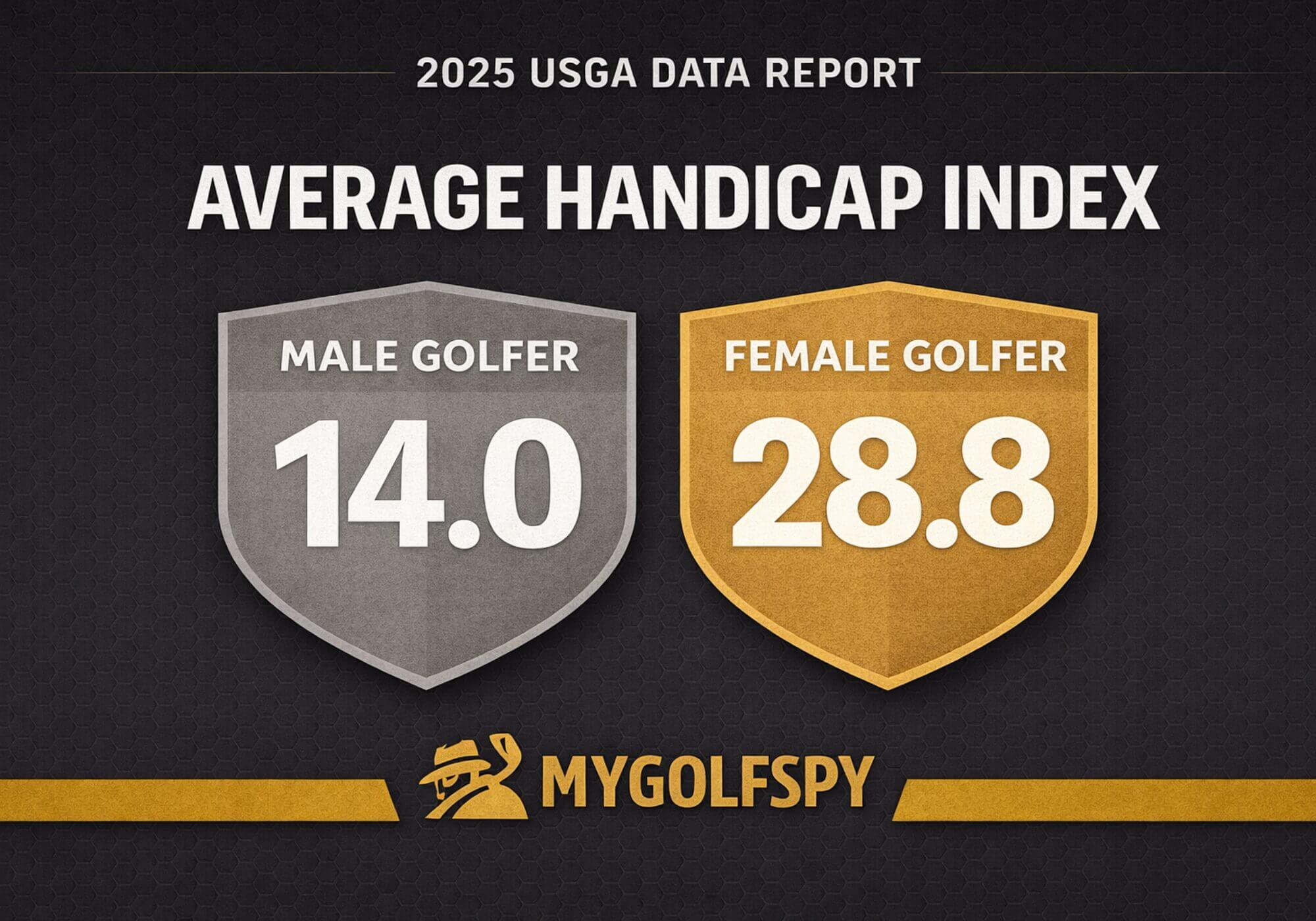
The profile of the average male golfer reveals that he holds a 14.0 handicap index and participates in approximately 23 rounds annually. This typically includes around 19 full 18-hole rounds and four nine-hole appearances each year.
What Does a 14.0 Handicap Typically Shoot?
On an average par-72 course, a golfer with a 14.0 handicap index generally scores in the mid to high 80s. Contrarily, this data suggests that the average male golfer often performs better than the conventional perception of a low-90s player.
Who is the Average Female Golfer?
In contrast, the average female golfer has a 28.8 handicap index and records about 19 rounds each year. This averages out to approximately 13 full 18-hole rounds and six nine-hole rounds annually.
What Does a 28.8 Handicap Usually Shoot?
For those with a handicap near 29, typical scores range in the high 90s to low 100s on most courses.

How Often Do Golfers Actually Play?
The USGA data also sheds light on the frequency with which golfers post scores. Among those maintaining a handicap index in 2025:
- 38.6 percent posted 20 or more scores
- 13.9 percent posted 50 or more scores
- Only 2.7 percent posted 100 or more scores
If you manage to post 20 scores in a year, you are already more active than the majority of golfers.
Final Thoughts
The insights drawn from USGA data indicate that the definition of "average" in golf can be quite surprising. How does your game stack up against these national standards? Engaging in regular play not only enhances enjoyment but also contributes to better performance. Taking a closer look at your game may provide opportunities for growth and improvement.
