

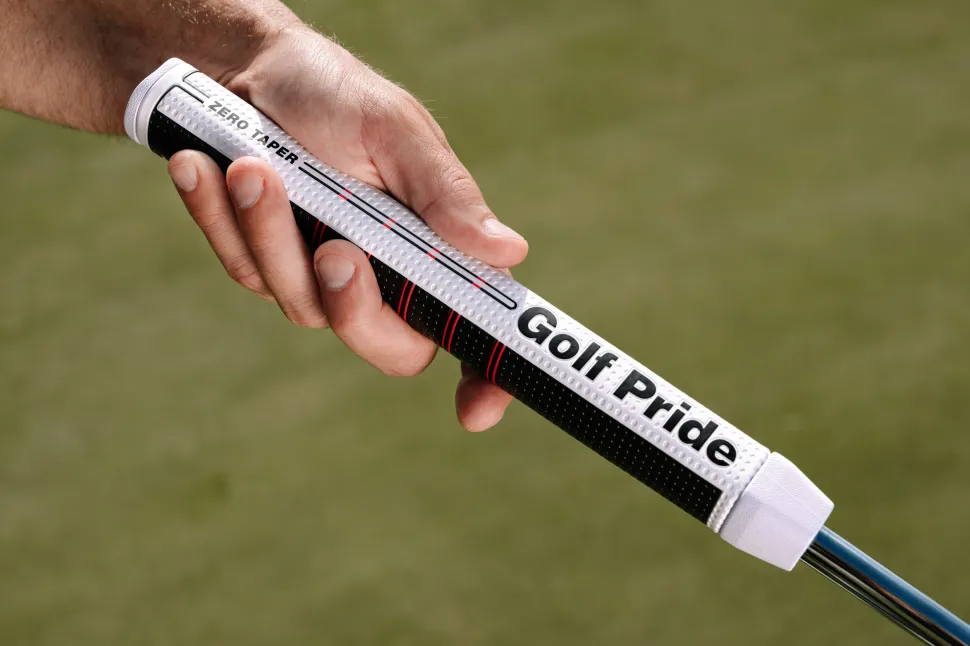

Golf Pride Zero Taper Putter Grip: Does Parallel Shape Actually Help Your Stroke?
Golf Pride has built their reputation on grip technology—75 years of it, they’ll remind you—so when they release a new putter grip, it’s worth paying attention. But it’s also worth asking the right questions. The new Zero Taper aims to capitalize on golfers who’ve grown tired of tapered grips and want something that feels more traditional underhand. The question is: does the parallel shape actually improve putting performance, or is it another clever piece of marketing dressed up in ergonomic language?
Let me be clear about my bias upfront: I’ve fit hundreds of golfers into putter grips, and grip choice matters more than most amateurs realize. It’s just not the kind of “matters” that shows up on a launch monitor. Putting is about feel, consistency, and confidence—three things that are incredibly difficult to quantify with data. But that doesn’t mean we should ignore the engineering behind what Golf Pride is trying to accomplish with the Zero Taper.
The Core Design Philosophy
The shift from tapered to parallel geometry is straightforward: a traditional putter grip tapers from thick (near the clubhead) to thin (at the top). This accommodates the idea that your lower hand needs more material for control while your upper hand wants less bulk. The Zero Taper throws this assumption out the window and gives you uniform diameter throughout.
“A uniform geometric shape offers the same feel for both the lead and trailing hands. This promotes a more synchronised stroke, for those who prefer non-tapered grips.”
Here’s where I actually think Golf Pride is onto something legitimate. In my fitting experience, golfers with longer strokes or those who struggle with hand synchronization do seem to benefit from non-tapered designs. The psychological consistency of feeling the same thickness under both hands can reinforce the “quiet hands” concept that good putting requires. It’s not magic—it’s just reducing one variable that your brain has to process during the stroke.
The polyurethane construction they mention is also worth noting. I’ve tested both rubber and polyurethane putter grips extensively, and polyurethane does provide a different tactile experience—slightly softer, warmer in the hands, and with better feedback when you’re applying pressure. That “soft and responsive” description isn’t just marketing copy; there is a measurable difference in how the material absorbs hand vibration.
The Ergonomic Claims—Let’s Separate Fact from Feel
Golf Pride lists five specific performance benefits. Let me break down which ones hold water:
Face Awareness and the Side Profile: The claim here is that a deeper side profile adds feedback. In my testing, this is the most credible claim on the list. Your fingers do get feedback from the grip’s contours, and a deeper profile does seem to enhance that. However—and this is critical—this benefit is entirely dependent on your grip pressure being consistent. Too tight, and you lose all feedback. Too loose, and the grip becomes unstable.
The Horseshoe Backside: This ergonomic anchor point is real, but it’s also something you’ll find on dozens of other putter grips from multiple manufacturers. Golf Pride isn’t pioneering this concept.
Visual Cues and Hand Placement: This one I genuinely appreciate. After fitting hundreds of golfers, I can tell you that many amateurs have no idea where their hands are on the grip during setup. Visual guides that help with repeatable hand placement absolutely contribute to more consistent strokes. This isn’t about the grip “making” you putt better—it’s about removing a setup variable.
“There are specific traction elements and visual cues, helping to assist with finger placement and making them suitable for different ways of gripping the putter.”
Now, the claim about “balance and stability” and “consistent weight profile” ensuring the sweet spot stays the same is where I have to push back. A putter grip doesn’t fundamentally change where your putter’s sweet spot is—that’s determined by the putter head’s moment of inertia (MOI) and weight distribution in the head itself. The grip’s weight matters for overall swing weight, sure, but Golf Pride makes it sound like this is some kind of revelation.
Who Should Actually Buy This?
After working with golfers across all handicap ranges, here’s my honest take:
If you’ve been using a traditional, non-tapered putter grip and you like it, there’s no reason to switch. You already have a solution that works for you. If you’re currently in a tapered grip and you find yourself thinking about grip thickness during your stroke, or if your lower hand feels cramped while your upper hand feels like it’s sliding, then the Zero Taper is worth trying. The parallel diameter might genuinely reduce that distraction.
The visual alignment features are most valuable for golfers in the 10-20 handicap range—players who have fundamentally sound strokes but struggle with consistency. Better setup consistency will probably help you more than any grip geometry.
In terms of value: at typical putter grip pricing (around $15-30 depending on where you shop), this is a reasonable investment if you’re already considering a grip upgrade. It’s not a magic solution for poor putting, but it’s thoughtfully engineered for a specific problem. If that problem is yours, it’s worth testing before you buy.
The real test will come when you get one in your hands. And that’s how it should be—putting is personal, and no article should replace your own feel for what works.
