


The Golf Calendar Is Changing—And What It Means for How You Play
There’s something deliciously human about watching the golf world grapple with identity. Not the identity crisis of a struggling golfer—though we’ve all been there—but rather the identity crisis of an entire sport trying to figure out who it wants to be.
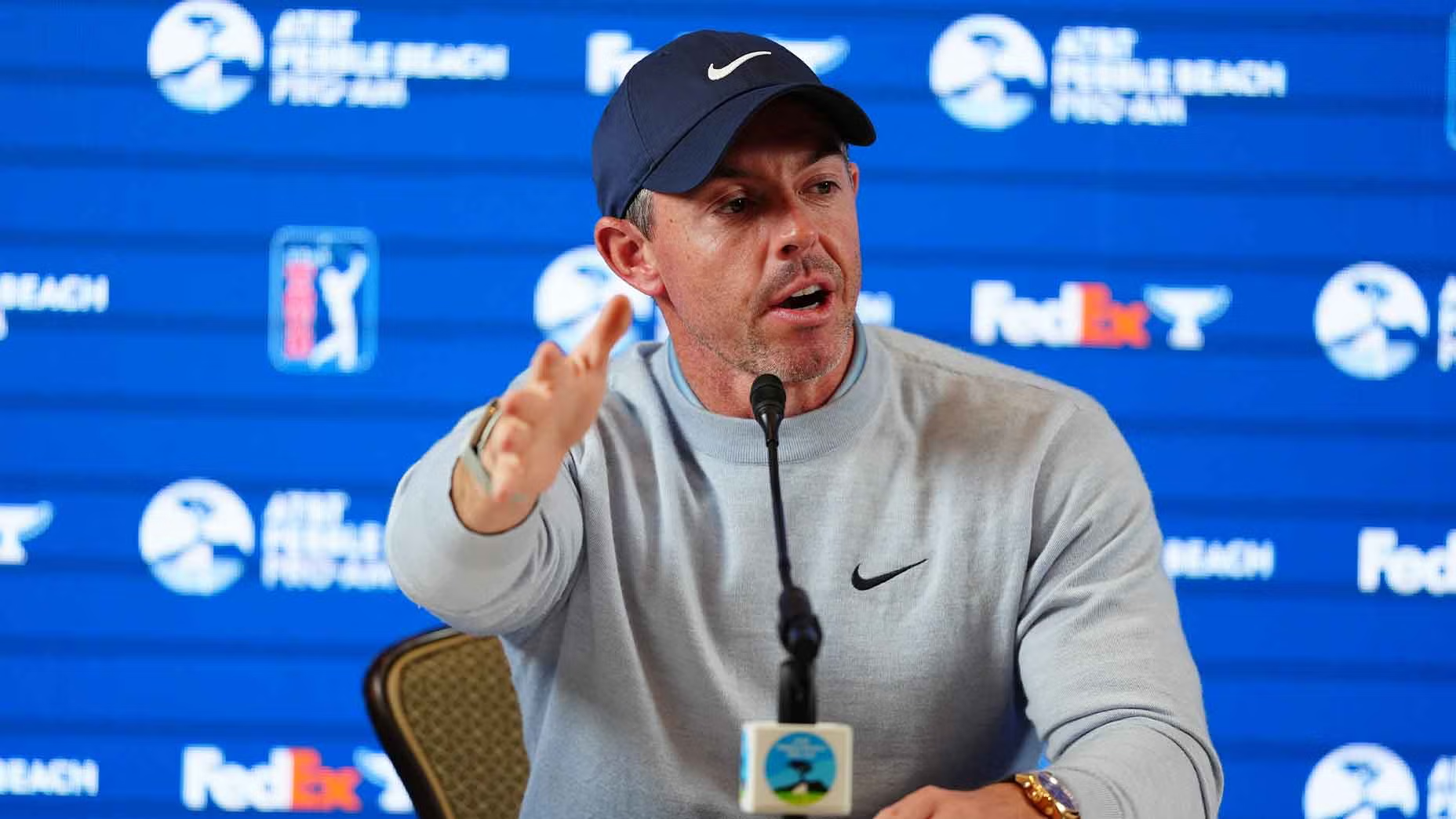
Last week at Pebble Beach, Rory McIlroy found himself at the center of that wrestling match, fielding questions about a fundamental restructuring of the PGA Tour calendar. The idea? Start the season in early spring instead of January, take a breather while football dominates, then dive back in. It’s borrowing from the NFL playbook—literally. And if you’ve ever wondered how the off-season affects your own game and lifestyle, this conversation matters more than you might think.
The NFL Problem (And Why Golfers Care)
Let’s be honest: February golf and football coexist in an awkward dance. The Super Bowl dominates the cultural conversation while the PGA Tour quietly churns away, fighting for eyeballs and attention. It’s like showing up to a party where everyone’s talking about something else—you’re there, you’re playing well, but nobody’s really watching.
The Tour’s new leadership sees this scheduling conflict as fixable. By starting the season after the Super Bowl, the thinking goes, golf would own the spring and summer months the way football owns fall and winter. It’s a calendar strategy masquerading as a lifestyle question.
And here’s where it gets interesting for everyday golfers: the way the professional calendar is structured actually trickles down to how we play. Tournament schedules, media attention, streaming availability, gear releases—all of it follows the pro tour’s rhythm. When I talk to serious amateur golfers about their seasons, they’re often mirroring the same stress points as the pros, just at a smaller scale.
What McIlroy Really Thinks (And What It Reveals)
McIlroy’s response to all this restructuring was refreshingly candid. The man tasked with selling golf on football’s organizational model? He doesn’t actually like football.
“I’ve tried really hard with football. I could watch a game of cricket for five days and be mesmerized. I think I just — I didn’t grow up with it, so that’s why I maybe don’t take to it quite as naturally.”
That’s the real story buried in the calendar discussion. It’s not about whether football or golf is “better.” It’s about the tension between respecting tradition and embracing change. McIlroy gets it, though. He understands why the Tour wants to borrow from football’s playbook—even if he’s not personally drawn to the sport itself.
“It’s a short season and then once it goes away, people miss it. From a marketing perspective it’s genius, right? They drip feed things. It’s the Combine, then it’s the draft, then it’s pre-season. It’s like OK, the season is short but they drip feed just enough to keep you really interested the whole way through the year.”
That’s actually valuable wisdom for any golfer thinking about their own season. The NFL’s model isn’t really about football—it’s about scarcity, anticipation, and narrative momentum. Miss a week, and you feel it. The season disappears, and you crave it. When it returns, it feels like an event.
What This Means for Your Golf Life
If the Tour does restructure its calendar, here’s what could change for golfers at every level:
Better winter options. Instead of grinding through January’s cold, wet chaos, winter becomes genuinely off-season. That’s time for serious fitness work, swing mechanics, mental training—the stuff that actually makes you better.
Spring courses at their best. Spring golf is objectively superior to winter golf in most of North America. Firmer fairways, warmer weather, more daylight. A spring-focused calendar aligns the sport with when most amateur golfers actually want to play.
Meaningful tournaments. Scarcity breeds importance. A shorter, more concentrated schedule means every event carries more weight. Your local club championship, your league tournament—they all feel bigger when the calendar is tighter.
Real recovery time. This one’s personal. I’ve noticed golfers are increasingly burned out by a sport that never really stops. Tour players play through Christmas. Club players manage overlapping seasons. A true off-season isn’t just nice—it’s necessary for the lifestyle to feel sustainable.
The Tradition vs. Innovation Dance
McIlroy’s pushback on making the Players Championship into a “fifth major” reveals something deeper about golf culture. We care about heritage. We care about the history. Unlike sports constantly reinventing themselves, golf players generally prefer evolution to revolution.
“Look, I’d love to have seven majors instead of five, that sounds great. But I’m a traditionalist, I’m a historian of the game. We have four major championships.”
For lifestyle-focused golfers, this is actually reassuring. Yes, the pro tour is changing. Yes, there’s a calendar restructuring on the horizon. But the fundamental identity of golf—the majors, the courses, the traditions—that’s staying put. The changes are happening at the margins, making the sport better without erasing what makes it special.
Your Takeaway
Whether the Tour restructures its calendar or not, the real lesson for golfers is this: think intentionally about your own golf calendar. Don’t just play because the season exists. Decide when you want to peak. Build genuine off-season recovery time. Make your tournaments feel special by being selective about which ones matter.
That’s the lifestyle shift happening at Pebble Beach right now. It’s not about football or tradition. It’s about respecting the sport enough to structure our relationship with it thoughtfully. The pros are finally catching up to what golfers have known for years: how you play the game matters, but how you live around the game matters more.
