

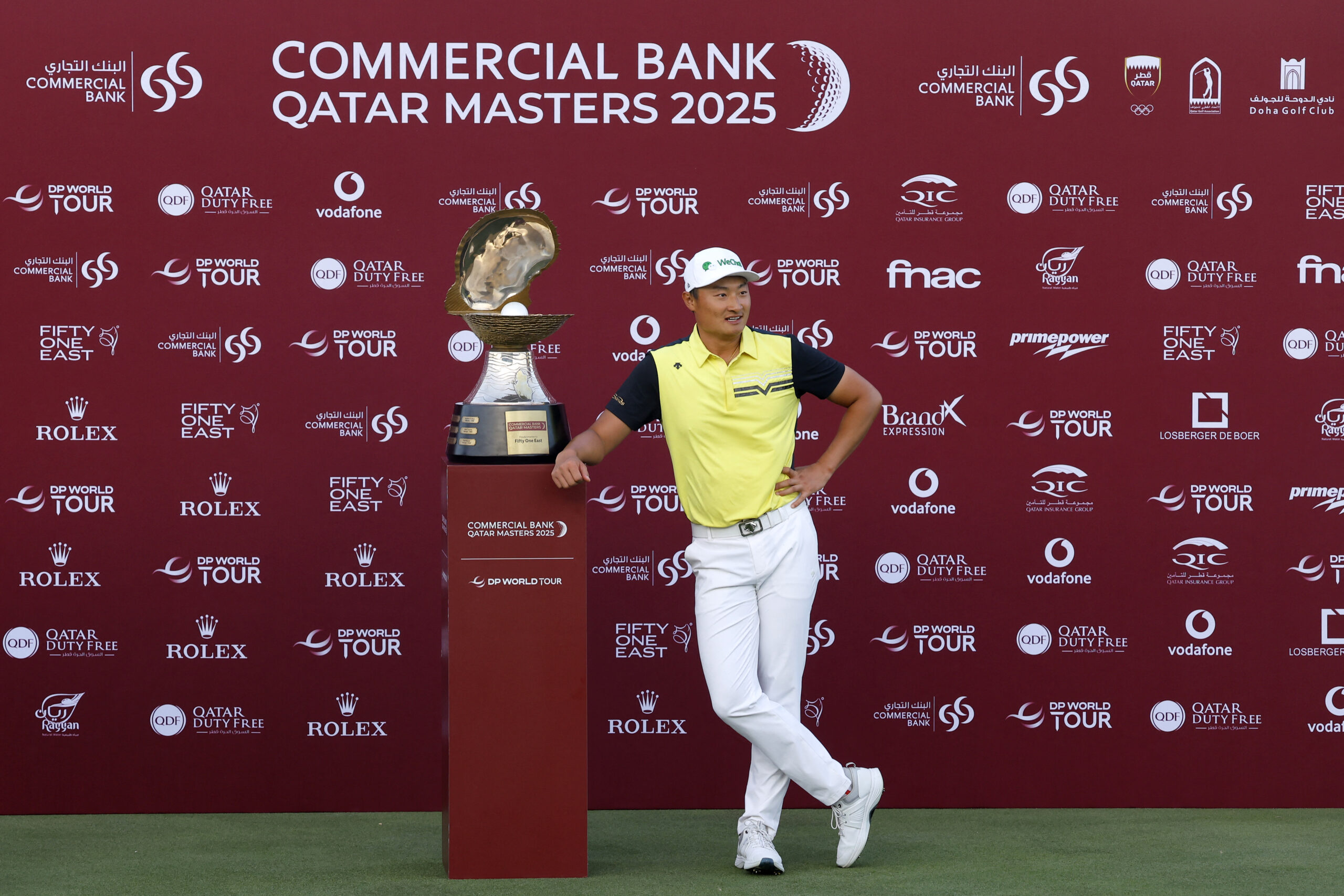

The Qatar Masters is Becoming Essential Golf—And That’s Good News for Everyone
Having spent 35 years watching professional golf evolve, I’ve developed a pretty good radar for when a tournament is genuinely moving up in the world. And I’m here to tell you: the DP World Tour’s Qatar Masters has crossed a meaningful threshold.
It’s not just the $500,000 check waiting for the winner this week at Doha Golf Club. It’s not just the $250,000 prize purse increase from last year. What strikes me most is the strategic architecture the DP World Tour is building around this event—and what that says about where international professional golf is heading.
When Prize Money Tells a Story
Look, I’ve seen plenty of tournaments throw money at problems and call it progress. That’s not what’s happening here. The DP World Tour increased the Qatar Masters purse from $2.5 million to $2.75 million, a 10% bump that might sound modest until you consider the ripple effect.
“The overall prize purse—just like last week’s Bahrain Championship—has risen from $2.5 million to $2.75 million in 2026, and that means more money for all those who make the cut as well.”
This matters because it’s not top-heavy. Yes, the winner takes home $467,500 (roughly $500,000 before taxes). But everyone making the cut benefits. A player finishing 30th banks $24,475 instead of considerably less. In my experience, these middle-of-the-pack improvements are what actually move the needle for tour depth and field quality. Players are more likely to commit to an event when they know the missed-cut payday won’t sting quite as much.
The DP World Tour understands something fundamental that some leagues are still learning: you build a strong tour by investing across the entire spectrum, not just the winners’ circle.
The International Swing’s Real Power Play
Here’s where the strategic thinking gets really interesting. The Qatar Masters is the final Middle East event in what the tour is calling the “International Swing,” and there’s a $200,000 bonus for whoever accumulates the most points across all these tournaments. But that’s just the appetizer.
“The International Swing champion will also guarantee their spot in all ‘Back 9’ tournaments later in 2026 with increased prize purses and higher Race To Dubai points.”
I’ve caddied in tournaments where qualification and access were murky—where you weren’t entirely sure how you’d lock in your spot for the marquee events. That uncertainty creates anxiety in a player’s camp and clouds focus. What the DP World Tour is doing here is the opposite. They’re creating a clean pathway: perform well in the International Swing, and you’re not just banking cash—you’re securing access to the tour’s premium events with elevated purses.
That’s not just logistics. That’s competitive design.
The Haotong Li Vacuum
I’ll be honest—Haotong Li’s absence from the Qatar Masters stings a little. The Chinese pro is last year’s champion, and a three-peat or even a back-to-back would’ve been compelling narrative. But his decision to focus on the PGA Tour early in the season tells us something equally important: the international golf landscape has genuinely become competitive at the highest levels.
When a rising talent can strategically prioritize certain tours over others, it means those tours have achieved real legitimacy and commercial weight. It’s not resentment I feel about Li’s absence—it’s actually a sign of health. The DP World Tour doesn’t need its defending champion to validate it anymore.
“Given Haotong Li is focusing his attention on the PGA Tour in the early part of the season, there is guaranteed to be a new champion crowned.”
That said, the field this week should be plenty strong. A $500,000 check draws elite talent, period. And with 585 Race To Dubai points heading to the winner, there are serious ranking implications on the table.
The Money Breakdown Tells a Practical Truth
Looking at the complete prize distribution, you see something that used to be rare on the DP World Tour: real money all the way down the field. Your 50th place finisher banks $11,825. Your 70th—those who just made the cut—take home $5,225.
Is that fortune-changing? No. But in the ecosystem of professional golf, where travel costs, coaching staff, and equipment expenses are substantial, these payouts matter. They keep young players in the game long enough to develop. They keep journeymen competitive. They create depth.
What This Means for the Tour’s Future
In my three decades covering this sport, I’ve watched tours rise and fall based on their willingness to invest intelligently in infrastructure and player incentives. The DP World Tour’s approach to the International Swing—the prize money increases, the qualification pathways, the bonus pools—suggests they’re thinking like a tour that intends to matter for the next 30 years, not just the next three.
Is there still work to do in global golf? Absolutely. But as someone who remembers when European tour events were barely televised in the U.S., I can tell you: this Qatar Masters is more than just another tournament. It’s part of a genuine competitive alternative to the PGA Tour’s stranglehold on world golf.
That’s progress worth noting.
