


The Lost Legacy of Oakmont East: A Journey Through History
By: Josh Sens
Published: June 15, 2025
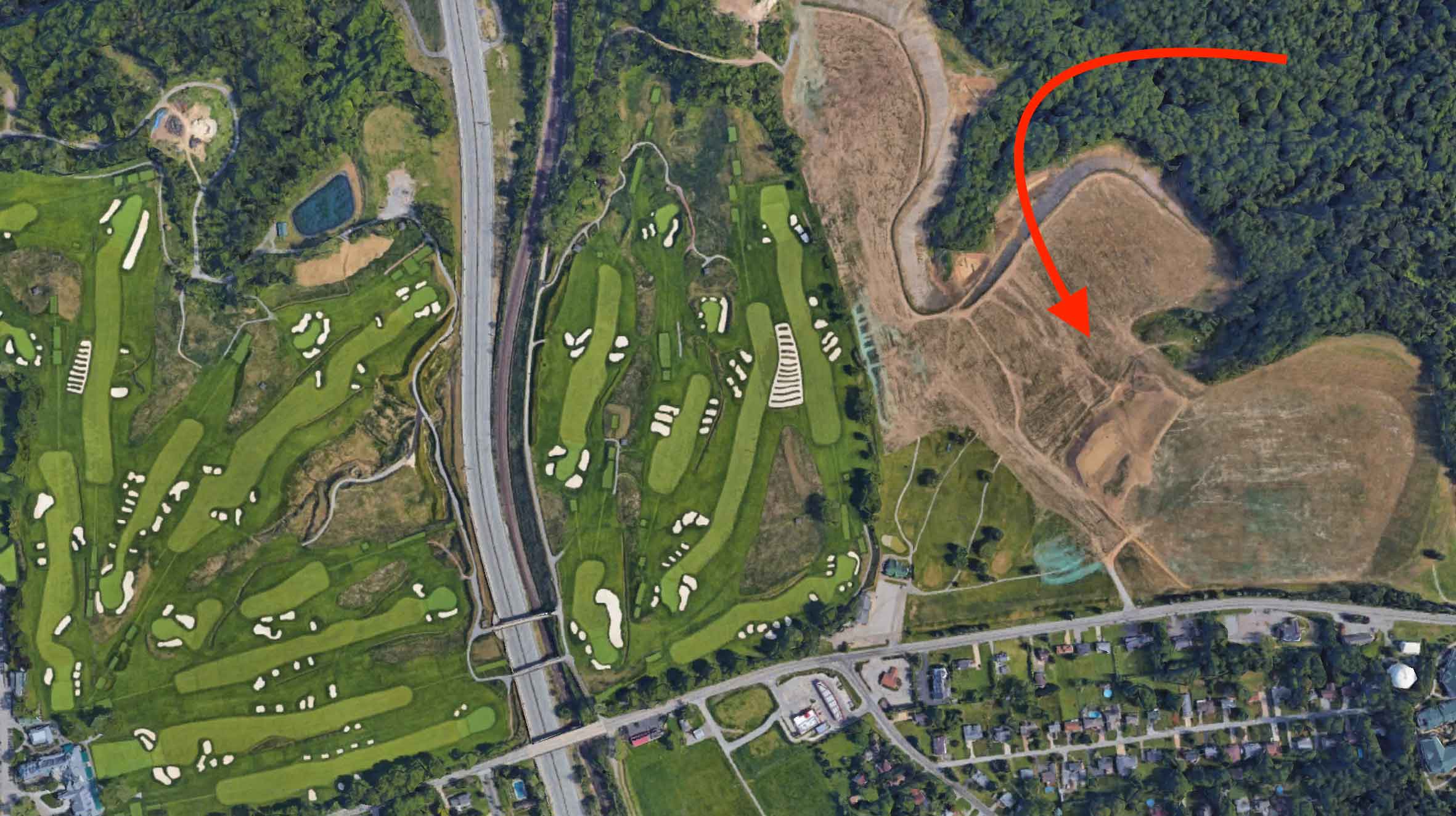
Google Earth
Introduction to Oakmont East
For golf enthusiasts, the name Oakmont is synonymous with rich history and prestigious tournaments, particularly the U.S. Open. However, many may not be familiar with the course that once flourished alongside it—Oakmont East. This article aims to illuminate the story of Oakmont East, a golf course that has faded from the collective consciousness but remains deeply etched in the memories of those who played its fairways.
The Birth of Oakmont East
Established in 1938, Oakmont East was initially designed by Emil Loeffler, who served as both the greenskeeper and golf professional at Oakmont. Loeffler’s dual roles allowed him to merge practical experience with architectural vision, leading to the course’s development as a public venue. Unlike many exclusive golf courses, Oakmont East welcomed players of all skill levels, promoting an inclusive golfing culture in the Pittsburgh area. Its historical significance and accessibility made it a beloved fixture in local golfing lore.
The Course Design and Features
Oakmont East was designed with inviting features that appealed to golfers. The course was a par 70, with each nine holes playing to a par 35, sprawling over 5,496 yards. The challenging layout was punctuated by small, meticulously maintained greens that tested even seasoned players. Local members fondly recall Oakmont East as a formidable preparation ground for the more demanding challenges of the Oakmont Country Club championship.
Oakmont East and the U.S. Open
In the early 1960s, Oakmont Country Club found itself hosting the U.S. Open and needed additional parking for the championship. As a solution, the club purchased Oakmont East and operated it for nearly fifty years afterward. This strategic acquisition not only provided logistical benefits for the prestigious tournament but also established a long-standing relationship between the two courses.
A Popular Local Destination
For decades, Oakmont East thrived as an accessible neighbor to its more illustrious sibling. Golfers relied on it for its well-conditioned layout and the camaraderie it fostered among players. Although long gone, the memories of vibrant tee times, friendly competitions, and shared experiences remain alive among Oakmont members and local residents.
The Transition of Oakmont East
By the early 2000s, Oakmont East faced significant changes. The course began to shut down to the public, limiting play primarily to current Oakmont members and senior center residents. This transition marked the beginning of a slow decline as fewer golfers made their way to the beloved course, and the vibrant atmosphere faded into quiet nostalgia.
A Vision for Revival
In the mid-2000s, long-standing Oakmont member Chick Wagner proposed an intriguing plan that could have breathed new life into Oakmont East. He suggested leasing the course for a nominal fee and maintaining it in a rustic style, similar to traditional golf common grounds found in Scotland. However, the club declined his offer, which could have preserved the history and spirit of Oakmont East, prompting further contemplation about the future of the course.
The Final Closure
By the early 2010s, Oakmont East had officially closed its doors entirely. Over time, nature began reclaiming the land, and the course that once buzzed with activity fell silent. While Oakmont Country Club has maintained control over the original clubhouse, it now functions as a gift shop during the U.S. Open, serving as a bittersweet reminder of what once was. Memories remain, but the landscape has changed irrevocably.
Remembrance and Nostalgia
While Oakmont East may no longer be a playable course, its legacy endures through the stories shared by many who dedicated their time to it. The camaraderie among golfers and the spirit of competition established at Oakmont East live on in the hearts of those who experienced its charm. As we celebrate Oakmont’s storied history, we must also remember the courses that shaped the game and fostered love for golf in local communities.
Conclusion: The Importance of Preserving Golf Heritage
Golf is more than just a game; it is a tapestry of stories, experiences, and legacies. Oakmont East serves as a poignant reminder of the importance of preserving golf heritage, engaging more golfers in the narrative that shapes this beloved sport. Although it may have transitioned into memory, Oakmont East remains a vital piece of the golfing puzzle that connects history with the future of golf.
The story of Oakmont East deserves to be told, not just as a chapter in golf history but as a reminder of the community-driven spirit that makes the game of golf special. With every swing on Oakmont’s hallowed grounds, players today should take a moment to remember the lost greens that once welcomed many on their golfing adventure.
As we look toward the future, may we strive to keep the legacy of courses like Oakmont East alive, inspiring new generations to not only play but also cherish the history and camaraderie that golf uniquely offers.
