

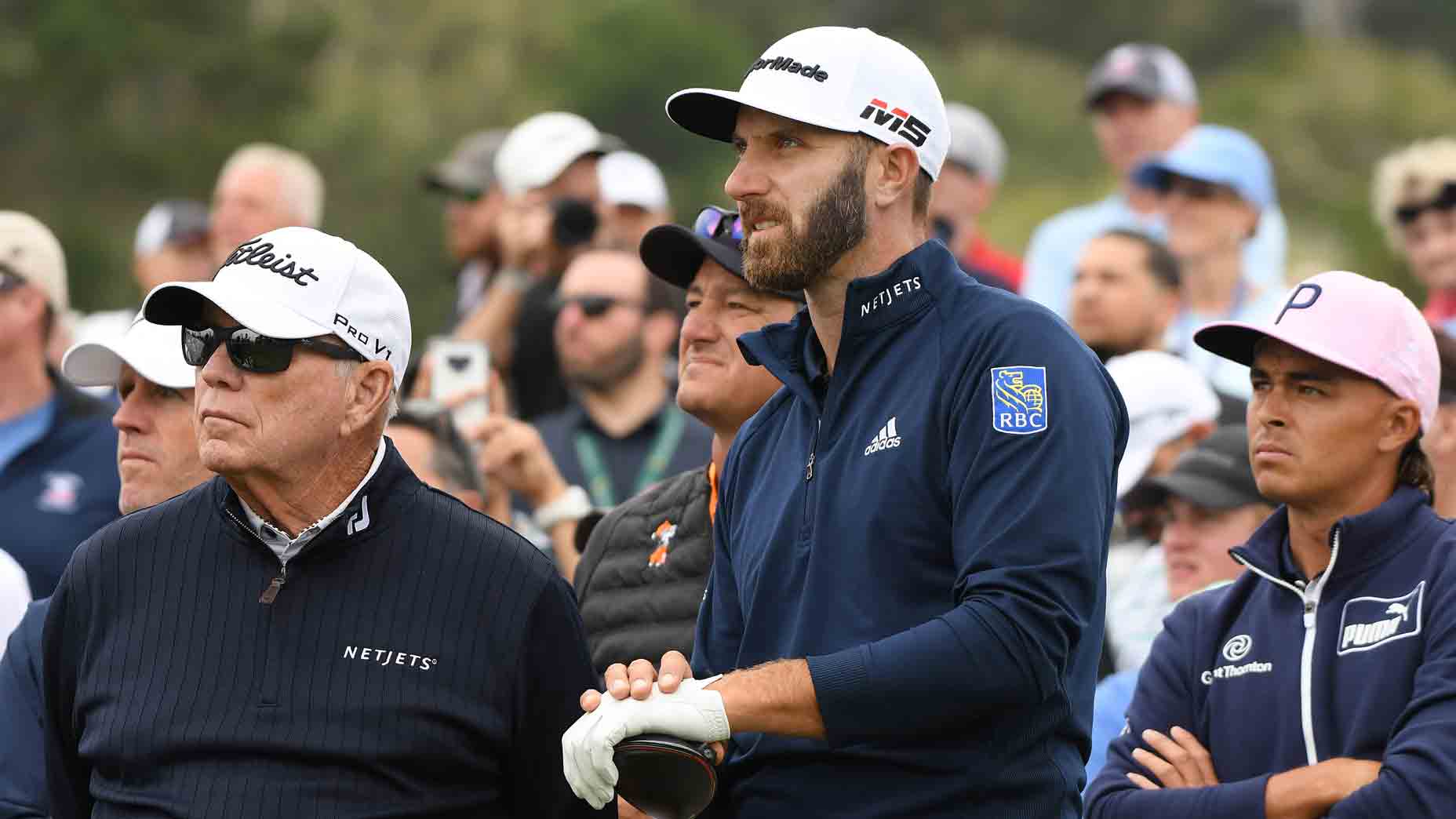

Ryan Mouque had an experience of a lifetime shadowing Butch Harmon, Tiger Woods’ one-time swing coach, and GOLF Magazine Top 100 Teachers hall of famer. Mouque, a coach based in Australia, spent two days learning from Harmon and shared his top ten takeaways on social media.
The first takeaway Mouque shared was Harmon’s advice to focus on fixing the most detrimental part of your golf swing, known as the ‘cancer.’ By addressing the root cause of swing issues, players can make more effective improvements to their game. Harmon emphasized the importance of identifying and fixing the main problem rather than getting bogged down in minor details.
Another valuable lesson Mouque learned from Harmon was the significance of practicing shots inside 100 yards. Harmon stressed the importance of honing skills in wedge play, pitching, chipping, bunker shots, and putting, rather than solely focusing on long-distance shots. By diversifying practice routines, players can improve their performance in all aspects of their short game.
Harmon reiterated to his students that the outcome of a shot does not matter when making swing changes. Players should focus on mastering the movement first before worrying about where the ball goes. By breaking down swing changes into manageable components and practicing them at slow speeds, players can gradually improve their technique and achieve better results in their game.
Harmon’s direct and honest coaching style was another key lesson Mouque took away from their time together. Harmon does not sugarcoat feedback and offers straightforward advice to his students. While this approach may be intimidating to some, Harmon’s track record of success with his players speaks for itself, earning him the respect and authority to deliver candid assessments.
A crucial aspect of Harmon’s coaching philosophy is instilling confidence in his students. While he is honest about areas needing improvement, Harmon also celebrates successes and encourages his players to believe in their abilities. By fostering a positive and supportive environment, Harmon helps his students develop a growth mindset and strive for continuous improvement.
One of Harmon’s core beliefs is that golf is easier without a ball. By focusing on the fundamentals of the swing without the added pressure of hitting a shot, players can refine their technique and build muscle memory. Harmon encourages his students to prioritize form and movement over results, emphasizing the importance of mastering the mechanics of the swing before focusing on outcomes.
Harmon emphasizes the importance of having a clear plan to address swing issues effectively. Many of his students arrive with longstanding frustrations in their game, unsure of how to make lasting improvements. By seeking guidance from a qualified coach and developing a structured approach to addressing swing flaws, players can break through barriers and enjoy a more rewarding golf experience.
Patience and persistence are essential elements of making lasting swing changes, as demonstrated by Harmon’s work with Tiger Woods. Woods’ transformation of his swing took time and dedication, resulting in a period of unprecedented success on the PGA Tour. Harmon’s story serves as a reminder that change takes time, and players should trust the process and remain committed to improvement.
Harmon advocates for the use of external devices and training aids to facilitate swing changes. By incorporating tools like alignment sticks or practice boxes, players can create obstacles that encourage adjustments to their swing path. These external aids help players develop a better understanding of their swing mechanics and make targeted improvements to their technique.
In addition to his wealth of coaching knowledge, Harmon has a treasure trove of entertaining stories from his experiences in the golf world. From playing with President Obama to exploring Augusta National, Harmon’s anecdotes offer a glimpse into the exclusive world of professional golf. While some stories may remain private, the opportunity to learn from Harmon’s experiences is a valuable aspect of his coaching legacy.
