


The Future of East Potomac Golf Links: A Clash of Visions in Washington D.C.
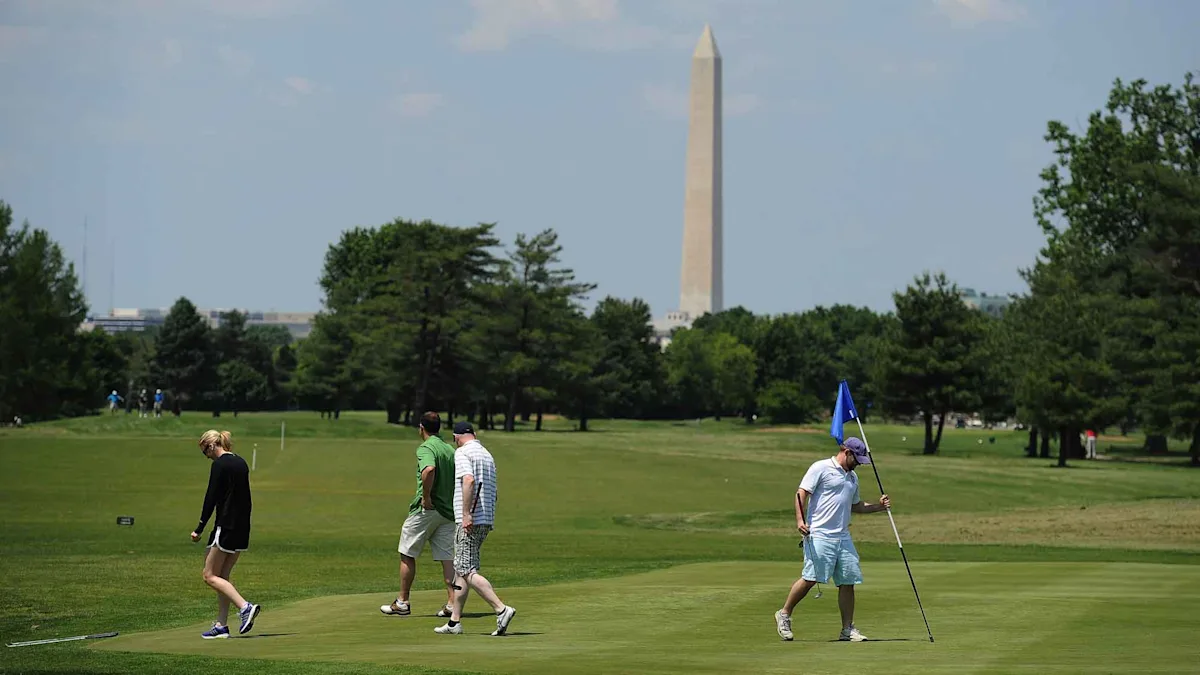
Washington, D.C., a city known for its rich history and iconic landmarks, is also home to three 18-hole public golf courses, each offering unique experiences for local and visiting golfers alike. Among these is the East Potomac Golf Links, a beloved Walter Travis design that has served as a golfing haven for nearly a century. Notably, this course frequently catches the attention of high-profile visitors, including former President Donald Trump, who often flies over in Marine One. However, the future of East Potomac is now shrouded in controversy and uncertainty as the National Links Trust (NLT) faces opposition from Trump and officials within the Department of the Interior.
The Role of the National Links Trust
For the past five years, the non-profit organization known as the National Links Trust has been diligently working to enhance and rehabilitate the three public courses—East Potomac, Rock Creek, and Langston. Their mission focuses on preserving the character and accessibility of these courses while also improving the golfing experience for all. The NLT’s initiatives promise to make golf more accessible and enjoyable, offering a rounded take on public golfing that emphasizes affordability and community engagement.
In a planned sequence, NLT aimed to address essential renovations starting with Rock Creek, which has long been regarded as being in dire need of attention. As part of their long-term vision, the renovation of East Potomac was seen as a way to elevate it while still maintaining its charm—recognizing that it’s already financially stable, unlike its counterparts. The community-oriented focus of NLT stands in stark contrast to the more commercial approach associated with Trump’s golfing empire.
A Sudden Shift in Direction
Recent developments have thrown this carefully laid plan into question. During a recent interview, the founders of National Links Trust revealed alarming news: it appears that the Trump administration is poised to seize control of the Blue Course at East Potomac. According to reports, Trump aims to push the NLT out and impose his vision for the course, which typically leans toward grand, visually striking designs complete with lakes, waterfalls, and an upscale atmosphere.
The shocking change in direction raises eyebrows, especially since NLT had initially proposed a simpler, community-friendly renovation to enhance the course’s appeal while making it welcoming for families and everyday golfers. This impending takeover is tied to broader political dynamics, as the properties ultimately fall under the jurisdiction of the National Park Service, an agency of the Department of the Interior.
Tensions Rise Over Course Plans
The founders of NLT, Will Smith and Mike McCartin, expressed their devastation over this looming threat to the course’s future. "We’re gutted, just gutted," Smith remarked, emphasizing the philanthropic impulses driving their initiative. They championed the idea that golf has inherent value as a public good, one that instills discipline, camaraderie, and integrity among players. In contrast, Trump’s vision for golf is often marked by extravagance and commerciality.
The distinction between these two philosophies could have significant implications for the character of East Potomac. Smith and McCartin envisioned a course offering both aesthetic beauty and improved playing conditions, including better grass varieties and breathtaking views of the Potomac River. Conversely, the anticipated redesign under Trump’s preferred architect, Tom Fazio, may lean toward a more elaborate layout similar to Trump’s other golf courses, often described as ostentatious and extravagant.
Preparing for a Legal Battle
The National Links Trust has foreseen challenges ahead and is preparing for what appears to be an impending legal battle. According to Smith and McCartin, they believe that their lease on East Potomac will be terminated based on claims that they failed to achieve specific goals within a limited timeframe. This claimed lapse comes mainly from a structured adherence to regulatory processes, involving community consultations and environmental assessments—protocols that can delay progress.
While Trump’s modus operandi often favors swift, decisive action, the NLT’s emphasis on community and transparency has proven more cumbersome. As they navigate the intricacies of public resource management, the NLT has been working to uphold the course’s integrity amid looming political pressures.
Lessons from Other Renovation Projects
For many golf enthusiasts, the renovations at other public courses—such as Harding Park in San Francisco and The Park in West Palm Beach—serve as templates for successful transformations. Each of these projects aimed to elevate community golfing experiences while still nurturing a high-caliber golfing environment. However, Smith and McCartin make it clear that their visions for East Potomac do not integrate expensive amenities or exclusive memberships; rather, they advocate for good value golf that can be enjoyed by all members of the community.
In discussing the anticipated changes, McCartin lamented the potential deviation from this vision: "We want golfers here to experience what we experienced: a round of no-fuss golf at an affordable price." These sentiments underscore the profound concern that the course’s evolution might tilt toward a for-profit model rather than remaining a beloved public resource.
The Stakes Become Personal
As discussions escalate about the fate of East Potomac, the National Links Trust is fortified by a robust legal team willing to assist pro bono. Meanwhile, they’re up against the substantial resources of the Department of the Interior, known for employing numerous legal experts. The power dynamics of government versus a small non-profit highlight the disparity that often exists in battles over public spaces.
The stakes are personal for Smith and McCartin, who have devoted years to the future of public golfing in D.C. Smith added, "We’ve done the hard work of laying out why this project is, on balance, a public good." Their commitment to transparency aims to counteract the perception that Trump and his administration may circumvent necessary public engagement in making significant decisions affecting shared community resources.
Looking Ahead with Resolve
As the NLT gears up for what they anticipate will be a termination letter, they remain hopeful yet realistic about their position. The implications of Trump’s plans extend beyond mere aesthetics; they could redefine the experience of golf for countless enthusiasts who cherish East Potomac as a public course. The choices made in this unfolding scenario will shape the landscape of community golf in D.C. for years to come.
Smith’s final comments on a holiday gathering held at the NLT underscored a sense of camaraderie and resolve. "We’re going to go out with a bang," he said, exuding a sense of unity among supporters. The journey ahead is uncertain, yet the firm commitment to preserving East Potomac Golf Links as a community asset remains steadfast.
A Call to Action for Golf Enthusiasts
As local golfers and fans of East Potomac Golf Links await developments, this issue calls for public awareness and involvement. Grassroots activism and community dialogue can make a difference in addressing the needs and expectations of the golfing public. It is crucial for stakeholders to engage in discussions about this beloved course’s future and advocate for a vision aligned with community interests rather than corporate aspirations.
With the backdrop of significant political change, the battle for East Potomac Golf Links serves as a rallying point for golfers who believe in the value of accessible, enjoyable public golfing experiences. The outcome will set precedence not just for East Potomac, but potentially for other public golf courses that may find themselves at a crossroads in the future.
As this story unfolds, the eyes of avid golfers in Washington D.C. and beyond remain focused on East Potomac, symbolizing a larger fight between community engagement and commercial ventures in the heart of the nation’s capital. The landscape of public golf hangs in the balance, and with it, the memories and aspirations of countless golfers who cherish the game.
