


The Thriving Indoor Golf Simulator Market: A Comprehensive Overview
The indoor golf simulator market is on a remarkable trajectory, projected to grow from nearly $2 billion to over $3 billion by 2030. This surge has resulted in the proliferation of indoor golf venues, making it easier for golf enthusiasts to enjoy the sport year-round. While some individuals have the luxury of installing simulators at home, the majority are opting for indoor golf clubs that provide a unique blend of technology, community, and accessibility.
The Rise of Indoor Golf Facilities
Over the past few years, the indoor golf facility landscape has transformed dramatically. Major players like X-Golf, Five Iron Golf, and Back Nine Golf have emerged as leaders in this burgeoning market, each offering distinct experiences and business models. While some analysts speculate whether this rapid growth can be sustained, others believe that the mix of technology and community-centric offerings positions these businesses for long-term viability.
X-Golf: The Pioneer in Indoor Golf
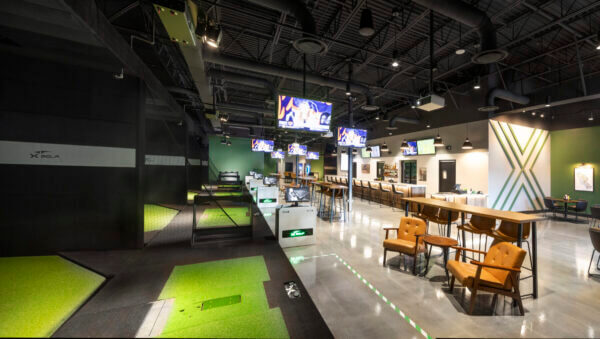
X-Golf is one of the most recognized names in the indoor golf simulator space, having launched U.S. franchise locations in 2016. With approximately 140 locations, X-Golf offers a franchise model that requires an investment of around $1 million to $1.9 million, alongside a $40,000 franchise fee. The average reported annual revenue stands around $580,000, though this can vary widely depending on location.
X-Golf is particularly focused on a community-friendly, league-driven atmosphere, making it popular among younger golfers. Members can enjoy hourly rates ranging from $25 to $75, depending on the time and location, with monthly memberships priced between $50 and $350. The company’s emphasis on league play allows for consistent engagement, which, according to their metrics, results in sales per simulator averaging approximately $113,000.
Five Iron Golf: A Social Experience
In contrast to X-Golf, Five Iron Golf positions itself as more than just a golfing venue; it’s a social entertainment space. With 35 locations and startup costs ranging from $1.7 million to $4.3 million, Five Iron also commands a $50,000 franchise fee. The average annual revenue reportedly lies between $1.8 million and $2.4 million, making it a more enticing option for entrepreneurs.
The atmosphere at Five Iron is marked by a premium build quality, high-end food and beverage offerings, and advanced TrackMan technology, giving it an exciting nightlife vibe. Golfers can expect to pay around $30 per hour for simulator use or opt for a monthly membership fee of about $129. Their focus on events, member programs, and social interaction distinguishes them from competitors.
Back Nine Golf: The Fastest Grown Franchise
Back Nine Golf has made a significant impact on the indoor golf scene as the fastest-growing franchise in this sector. Operating over 100 locations with 100 more sold, Back Nine boasts a much lower startup cost of approximately $360,000 for a four-bay operation. The franchise fee stands at $50,000, while the average revenue is around $194,856, though expectations are high for growth as the franchise matures.
With a focus on technology but minimal staffing and food offerings, Back Nine creates a "no-frills" golf environment. Prices vary widely for golfers, generally ranging from $25 to $55 per hour for simulator use, alongside monthly memberships priced between $125 and $325. While Back Nine may feel less community-oriented compared to its rivals, its model offers low overhead and 24/7 access, catering to a specific demographic that values convenience.
Local Indoor Simulator Clubs: Building Community
While national franchises are dominating the landscape, local indoor golf clubs are also carving out their niche. For instance, The Hideout in Nashville emphasizes community engagement by offering golf trips and city interactions beyond the simulators themselves. Owner Errol Helling’s unique approach provides members with a sense of belonging that transcends traditional indoor golf experiences.
The cost of membership at The Hideout includes a $2,500 initiation fee and a monthly fee of $299. Helling’s philosophy is that truly engaging indoor golf experiences require more than just a place to hit balls. By integrating social activities and community-building efforts, local clubs can cultivate long-term membership and loyalty.
Is Indoor Golf Beneficial for Players?
For golfers, indoor golf facilities offer several advantages. Financially, they provide a more affordable alternative to private country clubs, and the data-driven approach to improvement can be invaluable. The ability to play without weather concerns and engage in community events further enhances the indoor experience.
Though many in the industry acknowledge that indoor golf cannot completely replicate the outdoor experience, it serves as a practical alternative that allows players to enjoy the sport—even during inclement weather or busy schedules. Indoor golf can meet both the casual and committed golfer’s needs, making it a beneficial option for many.
The Future of Indoor Golf: Here to Stay?
The future of indoor golf appears bright, extending beyond just weather-related convenience. By addressing common challenges such as scheduling conflicts, accessibility, and group-friendly activities, indoor golf clubs are uniquely positioned to thrive. As technology continues to evolve, these facilities can offer richer experiences that enhance player engagement.
Leading franchises like X-Golf and Five Iron Golf, along with local clubs, are proving that a commitment to community and member experience is essential for success. Although Back Nine Golf is currently experiencing rapid growth, it remains unknown if their model will sustain long-term interest. The impending question is whether these establishments can foster a sense of community akin to traditional golf clubs.
Conclusion: The Promise of Indoor Golf
In conclusion, the indoor golf simulator market is carving out an essential space in the wider golf industry. As franchises innovate and local clubs build their unique identities, this segment shows no signs of fading. The blend of technology, community, and convenience is not just a trend; it appears set to redefine how golfers engage with their favorite sport.
With indoor golf facilities making the game more accessible for everyone, the question is no longer whether indoor golfing is viable, but rather how far it can go in reshaping golf culture. As the industry continues to expand and evolve, it promises to deliver richer experiences for enthusiasts and casual players alike.
