


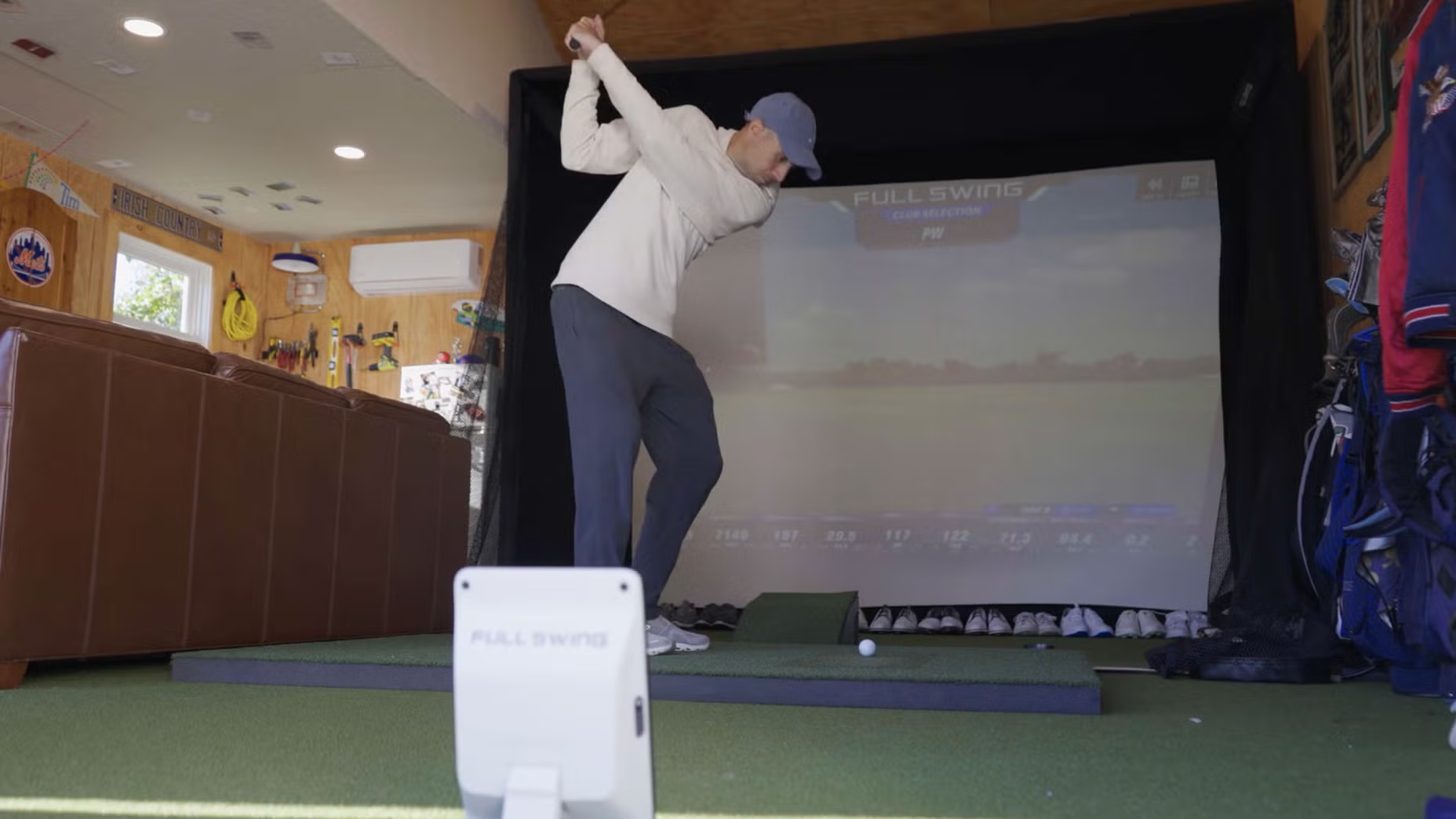
Elevate Your Game: 4 Keys for Smart Indoor Golf Practice
As the golf season winds down and the weather turns colder, many players are tempted to hang up their clubs for the winter. However, indoor practice can be a game-changer and an opportunity for golfers to refine their skills. With state-of-the-art simulators becoming increasingly accessible, indoor practice can help you maximize your potential. In this comprehensive guide, we’ll explore four essential keys that every golfer should keep in mind for effective practice sessions in the offseason.
Understanding the Value of Indoor Practice
Indoor golf practice may not offer the soothing sounds of nature or the thrill of a sunny day on the course, but its benefits are undeniable. With simulators at your disposal, golfers can analyze every aspect of their swing and make necessary adjustments. Unlike traditional practice, which may be limited by weather conditions or course access, a simulator provides a consistent environment. This allows golfers to focus entirely on their technique, making it an invaluable resource during the offseason.
Key 1: Set Clear Goals
The first step in maximizing your indoor practice session is setting clear, measurable goals. What aspects of your game do you want to improve? Whether it’s driving distance, iron accuracy, or short game proficiency, identifying these targets will help you focus your practice sessions effectively. By establishing specific objectives—like improving your swing path or increasing your putting percentage—you’ll create a roadmap for your practice that can lead to tangible results when you hit the course again.
Key 2: Utilize Technology Wisely
Modern golf simulators are equipped with advanced technology that can provide insights into your swing mechanics, club speed, and ball trajectory. However, harnessing this technology effectively requires you to understand what information is being presented. Pay attention to the data your simulator provides, such as club face angle, swing path, and launch angles. Use this feedback to make informed adjustments to your technique. Moreover, consider recording your practice sessions to reflect on your progress over time, and consult with a coach if necessary to interpret the data correctly.
Key 3: Practice with Intention
While it may be tempting to simply hit balls in a simulator for leisure, effective practice requires intention. Each swing should have a purpose. Instead of going through the motions, concentrate on one specific aspect of your game for a set period. For instance, spend 20 minutes solely focusing on your driver, then move on to your irons for another 20. This focused approach helps in reinforcing good habits and gradually improves your overall performance. Practicing with intention reduces the risk of ingraining flawed techniques and boosts your confidence when you step back onto the golf course.
Key 4: Simulate Course Conditions
One of the biggest advantages of indoor practice is the ability to simulate various course conditions. Spend time adjusting the simulator settings to mimic the challenges you face on the course. Experiment with different wind conditions, course layouts, and pin placements to mentally prepare yourself for actual gameplay. By challenging yourself in this manner, you develop the adaptability needed to handle various scenarios on the course. This mental rehearsal can give you a significant edge when facing similar conditions in real-life situations.
Embracing Variety in Practice
As you concentrate on the aforementioned keys, don’t forget the importance of variety. Engaging in different drills and exercises can prevent monotony and keep your practice sessions fresh. Mix up your routine by incorporating strength training, yoga, or mobility exercises tailored for golfers. This holistic approach addresses various physical and mental aspects of the game, allowing you to become a well-rounded player. Additionally, varying your practice focus—such as putting one day and chipping the next—ensures comprehensive skill development.
The Importance of Regular Reviews
Consistency is key in golf practice. While setting goals and practicing with intention is crucial, regularly reviewing your progress is equally important. After each practice session, take a few moments to evaluate what worked and what didn’t. This could involve keeping a training journal where you note down your findings, insights, and feelings about each session. Tracking your development and setbacks over time not only highlights your improvements but also helps you adjust your training plan as needed.
Offseason Coaching Opportunities
Don’t underestimate the value of seeking professional help during the offseason. Many golf instructors offer specialized coaching sessions tailored for indoor practice. Engaging with a coach can provide you with personalized feedback and insights that are often difficult to gain on your own. Utilize these coaching sessions to sharpen your skills, get a better grasp of your swing mechanics, and address specific weaknesses in your game. Make use of their expertise to create a structured indoor practice schedule that aligns with your offseason goals.
The Psychology of Indoor Practice
Mental toughness plays a critical role in golf, and this is especially true during indoor practice. As you work on your game, it’s easy to become frustrated or discouraged. Cultivating a positive mindset is key to overcoming challenges and maintaining motivation. Use visualization techniques to mentally rehearse successful shots; this can enhance your confidence and focus. Additionally, practicing mindfulness or meditation can improve your overall mental game, leading to better performance once you’re back on the course.
Conclusion: Effective Indoor Practice for Year-Round Excellence
As you gear up for the offseason, remember that quality indoor practice can yield significant results. By setting clear goals, utilizing technology effectively, practicing with intention, and simulating course conditions, you can make the most of your time at the simulator. With these four essential keys—and a focus on variety, regular reviews, potential coaching, and mental resilience—you can refine your skills and enhance your performance for the upcoming season. Don’t let winter dampen your golfing spirit; instead, use it as an opportunity for growth and improvement. Embrace indoor practice, and come spring, you’ll be ready to hit the course with renewed confidence and capability.
