

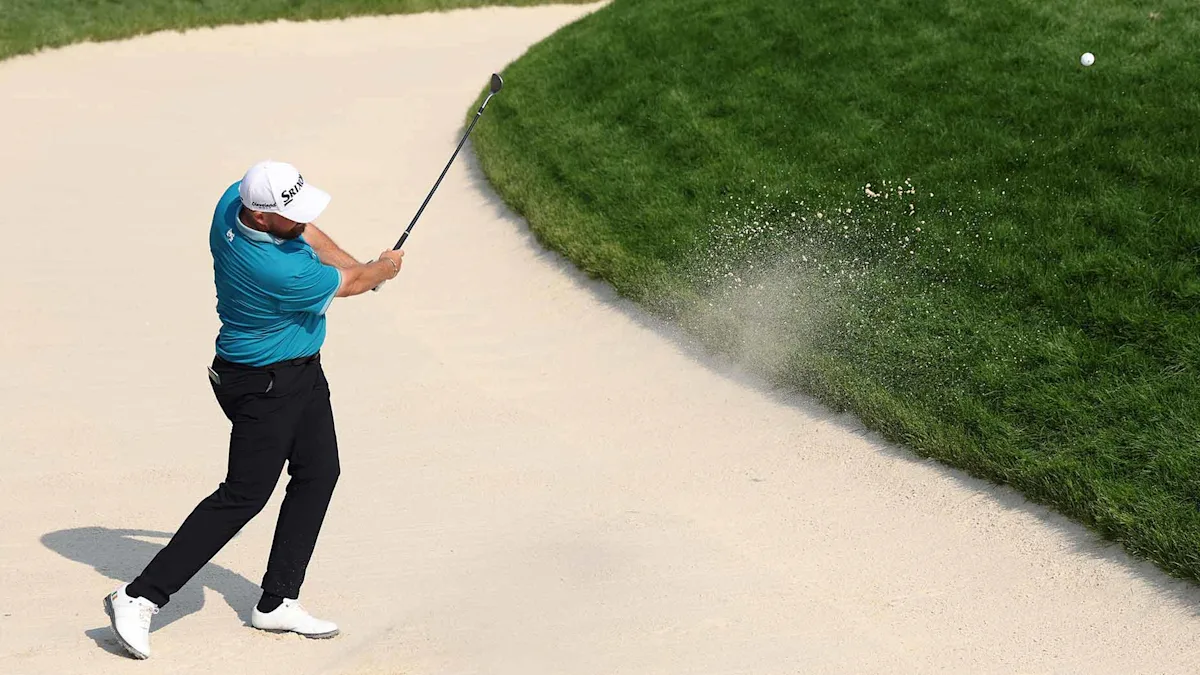

Mastering Greenside Bunker Shots: 5 Key Techniques to Control Distance
Effective methods for controlling your yardage from greenside sand. (Getty Images)
As a recreational golfer, navigating a greenside bunker can be daunting. Initially, your focus is straightforward: get the ball out and onto the green. However, once you’ve refined your technique and mastered the basics, it’s time to shift your focus to controlling distance. This is where good bunker players truly set themselves apart. Here are five essential adjustments to help you control your distance from the sand effectively.
1. Club Selection
Choosing the right club is one of the simplest yet most effective ways to manage distance in bunkers. The loft of your club influences the height and distance of your shot:
- Lob Wedge (58–60°): Ideal for the shortest carry.
- Sand Wedge (54–56°): Best for mid-range bunker shots.
- Gap Wedge (50–52°): Perfect for longer bunker shots; don’t shy away from using it to clear lip obstacles.
2. Face Angle
The angle of your clubface significantly impacts distance control. Opening the face slightly introduces more loft and bounce, resulting in a higher, shorter shot. Conversely, keeping the face square is acceptable, but it’s advisable to avoid closing it.
If you’re unsure of your club selection, lean towards the lower-lofted club and open the face. This approach preserves bounce and enhances glide through the sand.
3. Shaft Angle
Manipulating the shaft angle at address and during impact can dramatically affect distance. Here’s how:
- For shorter shots: Allow the grip to lean back away from the target.
- Shaft position: Keep the shaft vertical at a minimum. Forward lean should be avoided unless faced with a buried lie.
To further decrease distance, tilt the handle toward your back pocket or increase the release of your trailing hand during impact. This maintains a backward lean of the shaft as it enters the sand.
4. Swing Pace
Adjusting your swing pace is an effective strategy for controlling distance. A faster swing moves more sand and propels the ball further, while a slower tempo reduces overall distance. However, ensure your slowdown doesn’t jeopardize the shot, preventing the ball from escaping the bunker.
5. Swing Path
Your backswing path also affects how far the ball travels. A straighter, slightly steeper backswing can create more loft and spin, sending the ball higher but shorter. Meanwhile, a more rounded backswing—characterized by increased body rotation and a flatter swing plane—reduces spin and helps achieve greater distance.
By implementing these five techniques, you can enhance your ability to control distance from greenside bunkers. Transitioning from merely escaping the sand to strategically placing your shots on the green requires practice and focus. Happy golfing!
