

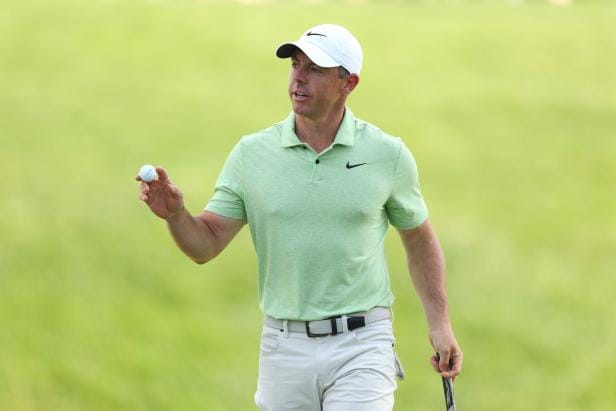

The ongoing negotiations between the PGA Tour and the Public Investment Fund of Saudi Arabia regarding the rival LIV Golf League have been a hot topic in the world of golf. Rory McIlroy, a four-time major winner and member of the tour’s transaction committee, has been involved in these negotiations and has been keeping close tabs on the situation. He recently mentioned that he was considering flying to New York for a face-to-face meeting between the two parties but decided to participate in the Memorial Tournament instead.
The negotiations between the PGA Tour and the PIF have been ongoing for quite some time, with McIlroy revealing that the committee has been meeting with PIF representatives multiple times a week. The upcoming meeting between PGA Tour Commissioner Jay Monahan, PIF governor Yasir Al-Rumayyan, and other key figures in the golf world is seen as a crucial step towards resolving the issues surrounding the LIV Golf League. McIlroy emphasized the importance of listening during the meeting, as the focus will be on reaching a resolution that works for all parties involved.
Despite the ongoing negotiations, McIlroy believes that the LIV Golf League is here to stay for the foreseeable future. Many players have contracts with the league that extend well into the next decade, meaning that the split in men’s professional golf could persist for a significant amount of time. However, McIlroy remains hopeful that there could be a more collaborative approach between the tours in the future, allowing players to potentially participate in both leagues.
The future of men’s professional golf is uncertain, with the emergence of the LIV Golf League adding a new dimension to the sport. McIlroy’s involvement in the negotiations between the PGA Tour and the PIF highlights the complexity of the situation and the challenges that lie ahead. As discussions continue to unfold, it remains to be seen how the golfing landscape will evolve and whether a resolution can be reached that satisfies all parties involved. The coming weeks will be crucial in determining the direction that men’s professional golf will take in the years to come.
