

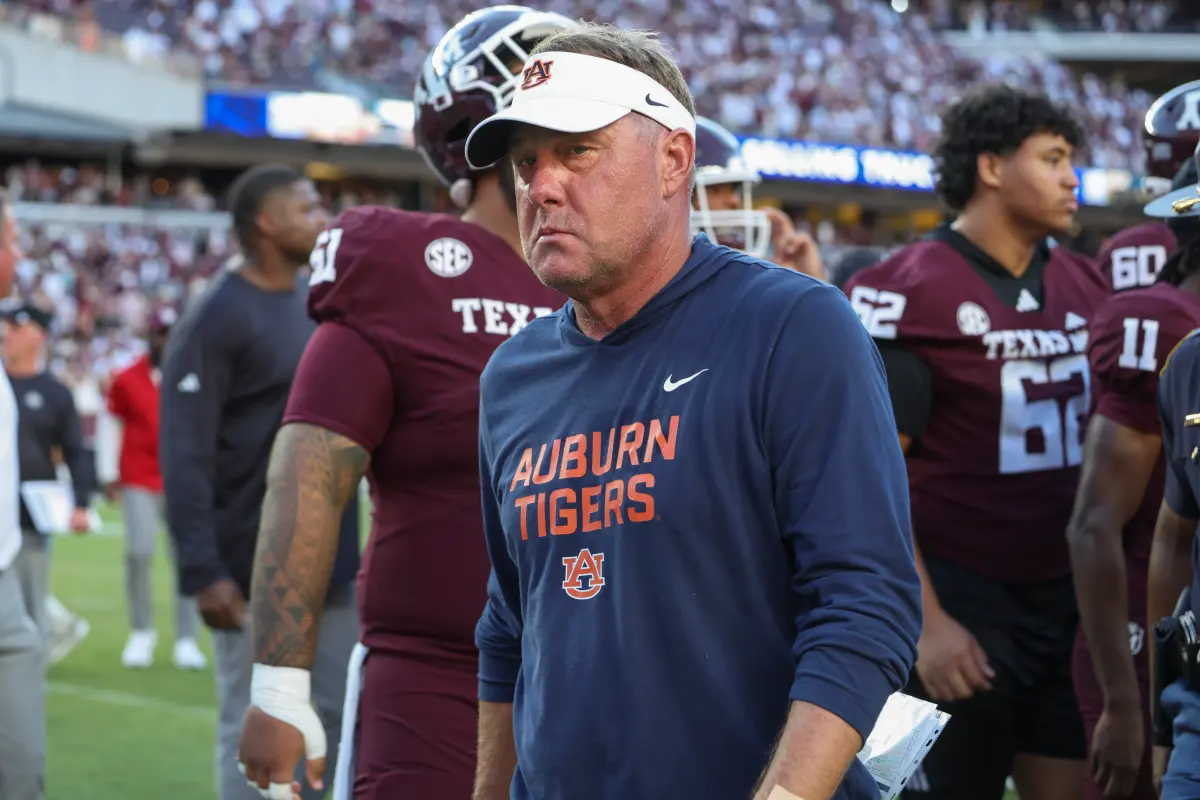

The Rise and Fall of Hugh Freeze: A Caddy’s Tale with the Auburn Tigers
Introduction
Hugh Freeze’s departure from the Auburn Tigers football program is more than just a coaching shake-up; it’s a narrative entwined with passion, priorities, and the complexities of college football. The avid golfer’s love for the sport may not have been the sole reason for his exit, but it certainly raised eyebrows among boosters and fans alike. As Auburn officially announced Freeze’s $15.8 million buyout following a disappointing 10-3 loss to Kentucky, the implications extend far beyond wins and losses.
The Disappointing Record
In a season marked by struggles, Auburn finished with a dismal 4-5 record, including a 1-5 in SEC play. This subpar performance led many to question whether the coaching methods and priorities were aligned with the high-stakes environment of SEC football. Freeze’s coaching tenure, lasting three seasons, resulted in a 15-19 win-loss record, leading to an inevitable end that mirrored the dissatisfaction building around him.
The Love for Golf
What makes Freeze’s story even more compelling is his well-documented affinity for golf. Over his time at Auburn, rumors circulated about his frequent appearances on the golf course, sometimes at inconvenient times. Reports suggested Freeze would be spotted at local courses during crucial phases of the football season, raising questions about his commitment to his coaching duties.
Insider Opinions
Some boosters were quick to share their perspectives, stating they observed Freeze at the golf course on the Friday before a crucial home game, merely “watching guys play.” Such incidents drew ire from fans and stakeholders who felt that a head coach should be entirely focused on preparing the team for upcoming challenges. One booster articulately expressed that the unforeseen issue was Freeze’s apparent desire to play golf over coaching the team.
Social Media Backlash
Adding fuel to the fire, Ole Miss head coach Lane Kiffin subtly criticized Freeze’s golfing habits through a post on social media, hinting that his recreation might be affecting his recruiting efforts. In June, Freeze’s numerous golf rounds became public knowledge, revealing that he had logged ten rounds in the USGA’s GHIN database—more than any other college football coach who chose to disclose their scores. This opened the door for further scrutiny, with fans and analysts speculating about the imbalance between golf and coaching.
Tee Times and Tipping Points
Interestingly, it was Freeze’s standing tee time at the Auburn University Club that served as a symbol of impending change. Following the team’s latest loss, astute fans observed that his scheduled tee time had mysteriously vanished from the list. This seemingly innocuous detail served as an early indicator that Auburn’s administration was preparing to make a significant move regarding the coaching staff.
The Impact of Performance
This leads to an intrinsic question: Did Freeze’s love for golf detract from his ability to lead the team effectively? The disappointing end-of-season performance and Freeze’s commitment to golf appear intertwined, creating a perception that he was not fully dedicated to the responsibilities that come with being a head coach in a competitive league like the SEC. These factors ultimately culminated in an inevitable resolution.
The Culture Clash
At the heart of this controversy lies a cultural clash within the program. College football demands intense commitment and resilience, especially in a program as storied and scrutinized as Auburn. The tension between tradition and personal interest became stark as fans expected their coach to eat, breathe, and sleep football—especially in a high-pressure situation like Auburn Tigers football.
Moving Forward for Auburn
Auburn must now navigate the delicate process of finding a suitable replacement, one who can instill a winning culture while also aligning their interests with the program’s expectations. The upcoming hire will have to resonate not only with the players but also with the fervent boosters whose voices have shaped the program’s direction for decades. The Auburn Tigers need leadership that prioritizes the gridiron over golf.
Conclusion
Ultimately, Hugh Freeze’s love for golf might not have single-handedly led to his dismissal, but it certainly became a symbolic representation of mismanaged priorities. As the Auburn Tigers look to the future, they must find a leader capable of fostering excellence and winning both on and off the field. The lessons learned from Freeze’s tenure serve as a reminder that success in college football is not just about strategy but also about dedication, culture, and understanding the expectations of a passionate fanbase.
