


Rethinking Iron Shafts: The Evolving Debate Between Steel and Graphite
The world of golf equipment has long been divided into distinct categories, particularly when it comes to iron shafts. Traditionally, steel was upheld as the gold standard, favored by low-handicap players for its precision and control. However, modern advancements in graphite technology challenge this age-old belief. As I approached my recent iron fitting, I entered with preconceived notions about graphite shafts, convinced that they were only meant for those needing assistance in achieving height and distance. Little did I know, this fitting would rewrite my understanding of graphite entirely.
The Traditional Steel vs. Graphite Dichotomy
For decades, the debate between steel and graphite shafts seemed straightforward. Steel shafts were heavy and designed for those who prioritized ball control and shot shaping. Meanwhile, graphite shafts, typically lighter and with a higher launch angle, catered to golfers seeking extra help with distance and launch. These generalizations were based on the performance limitations of earlier graphite models, which often resulted in a whippier feel, higher torque, and inconsistent performance.
The perception was so deeply ingrained that many golfers, including myself, failed to revisit it as technology evolved. The stigma surrounding graphite remained despite significant advancements in the material’s design and engineering.
The Turning Point: Enter Steelfiber
The narrative began to shift with the introduction of Aerotech’s Steelfiber shafts. By wrapping thousands of steel fibers around a graphite core, Steelfiber represented a technological breakthrough. This innovative design offered the stability of steel while retaining some benefits of graphite, such as vibration control and a smoother feel.
More than just another composite iron shaft, Steelfiber marked the entry point for many accomplished golfers into the realm of graphite. Unlike previous offerings, it provided a structured, predictable feel that didn’t compromise on shot shaping. Its success opened the floodgates for further explorations into advanced composite designs.
Modern Graphite: A Leap Beyond Expectations
Today’s graphite iron shafts bear little resemblance to their early predecessors. Innovations have led to a diverse range of weights and designs, making them suitable for players who once dismissed them entirely. For example, current composite options now include heavyweight profiles, stretching up to 110 grams, traditionally reserved for steel.
Pioneering engineering techniques allow designers to fine-tune stiffness and torque, ensuring performance that mirrors—and sometimes exceeds—that of steel. Consistency has also improved significantly, thanks to advances in composite layup techniques that enable tighter spin windows and predictable peak heights, attributes that many players today expect from high-performance shafts.
Enhanced Feel and Control with Modern Materials
One of the most significant advantages of modern graphite shafts lies in their superior feel. Originally, graphite’s vibration-dampening properties appealed primarily to golfers with joint issues. However, all players can benefit from the enhanced sensation of a clean strike, devoid of the harsh tactile feedback that steel can sometimes impart.
As technology advances, the balance of weight, feel, and stability in composite shafts means that golfers can enjoy the best of both worlds. Manufacturers have mastered the ability to produce shafts that feel responsive and structured, allowing players to strike with confidence.
The Evolution of MMT: Next-Generation Composite Design
Building on the success of Steelfiber, Mitsubishi’s MMT series represents the next step in graphite technology. By embedding a 304 stainless steel mesh within the graphite layup, particularly in the tip section, MMT achieves a remarkable balance of control and feel.
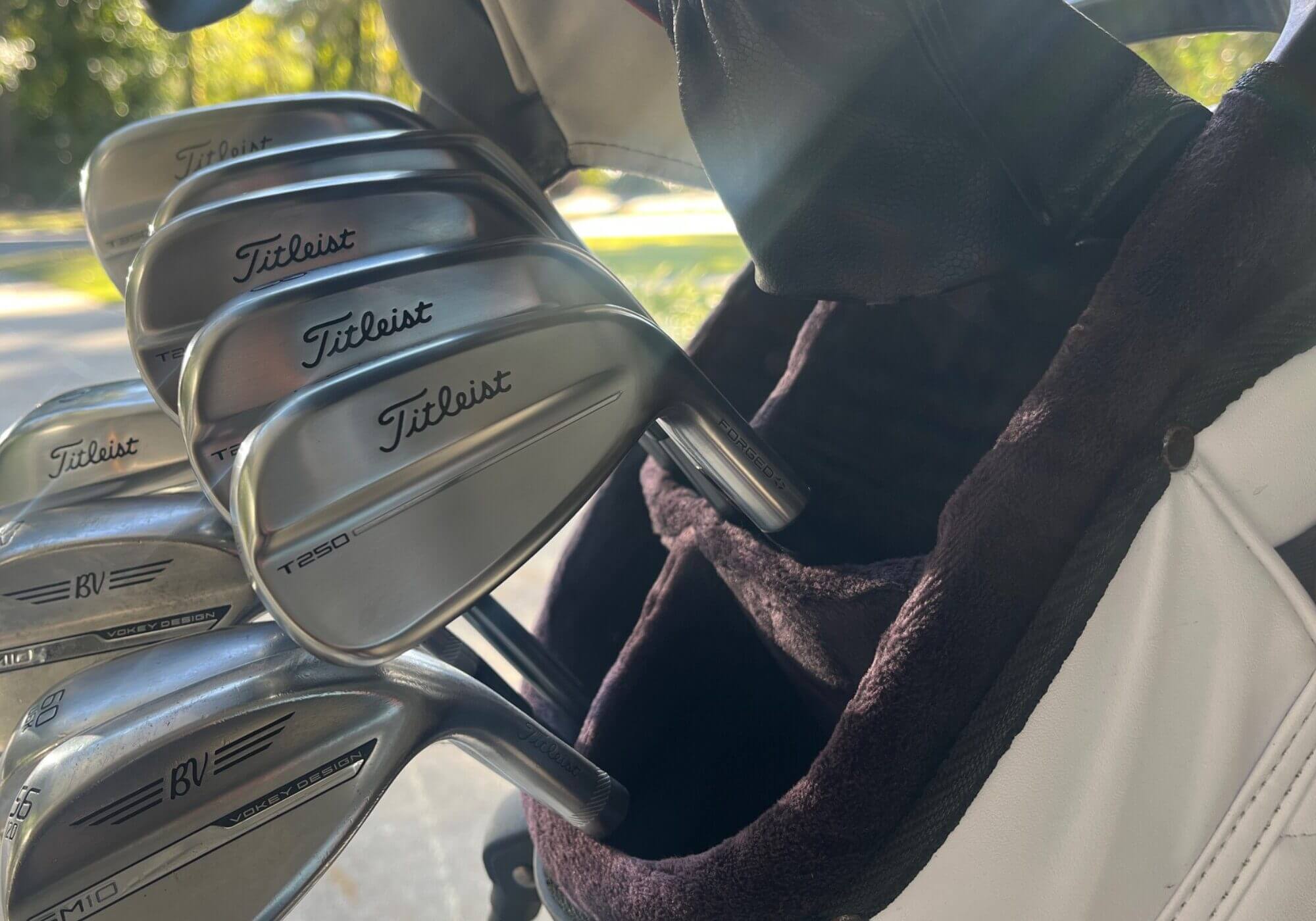
This sophisticated design enhances tip stability without losing the smoothness associated with graphite. The pairing of advanced composite materials with modern iron head designs—such as Titleist’s T250—creates a synergistic effect that benefits from both materials’ strengths.
My Personal Fitting Experience: A Surprising Revelation
Walking into my fitting, I anticipated a predictable experience aligned with my long-standing biases. However, what unfolded was nothing short of enlightening. Rather than encountering a shaft that ballooned or compromised my ability to shape shots, I found a surprising level of consistency.
The launch angle maintained its intended height while spin became exceptionally manageable. Even my beloved shot shaping—essential for lower-handicap players—remained intact and, in fact, felt easier to execute with the new setup. This experience challenged my preconceived notions and highlighted how quickly technology can shift traditional thinking.
Trapped in Old Mindsets: The Underestimation of Graphite
Reflecting on my hesitations with graphite, it became clear that many golfers share similar misconceptions. We cling to outdated ideas formed when graphite technology was fundamentally different. Today’s innovations, from multi-material shafts to composite profiles, are often overlooked by players who assume they know the outcome based on past experiences.
As the game evolves, so do the technologies that accompany it. Today’s composite shafts are not an inferior alternative but rather a revolutionary option that deserves serious consideration.
Considering the Cost: Is it Worth It?
While it’s true that graphite shafts can come with a higher price tag compared to their steel counterparts, it’s essential to evaluate the value in terms of performance. Investing in better technology isn’t merely about the sticker price; it’s about whether the gains in consistency, control, and overall game improvement justify the investment.
Not every golfer may need or want to switch to graphite, but for those aiming to refine their game, the benefits can be substantial. Each golfer should be encouraged to explore their options and evaluate the potential impact on performance before making a final decision.
Who Should Explore Modern Graphite Shafts?
The primary misconception surrounding graphite is that it’s only suitable for players who struggle with speed or are seeking a lighter option. In reality, today’s golf environment calls for skilled players of every caliber to consider these new innovations. Lower-handicap golfers who prioritize shot consistency and control stand to benefit greatly from modern graphite options—and should not hesitate to test them during fitting sessions.
As the game further embraces technological advancements, golf’s elite players are increasingly recognizing that high-performance graphite shafts can complement their style of play.
Conclusion: Embracing New Possibilities in Golf
As my fitting concluded, I walked away not only with a new set of clubs but also with a deeper appreciation for how far graphite technology has come. The modern options available today, particularly advancements like MMT, have shattered long-held beliefs that placed steel on a pedestal.
For anyone holding onto outdated perceptions, I encourage you to test the latest graphite offerings. You may find that today’s technology offers a smoother, more consistent performance that could redefine your game, just as it did for me. Let the data and your own experience guide you—you might discover a whole new world of possibilities waiting to enhance your performance on the course.
