

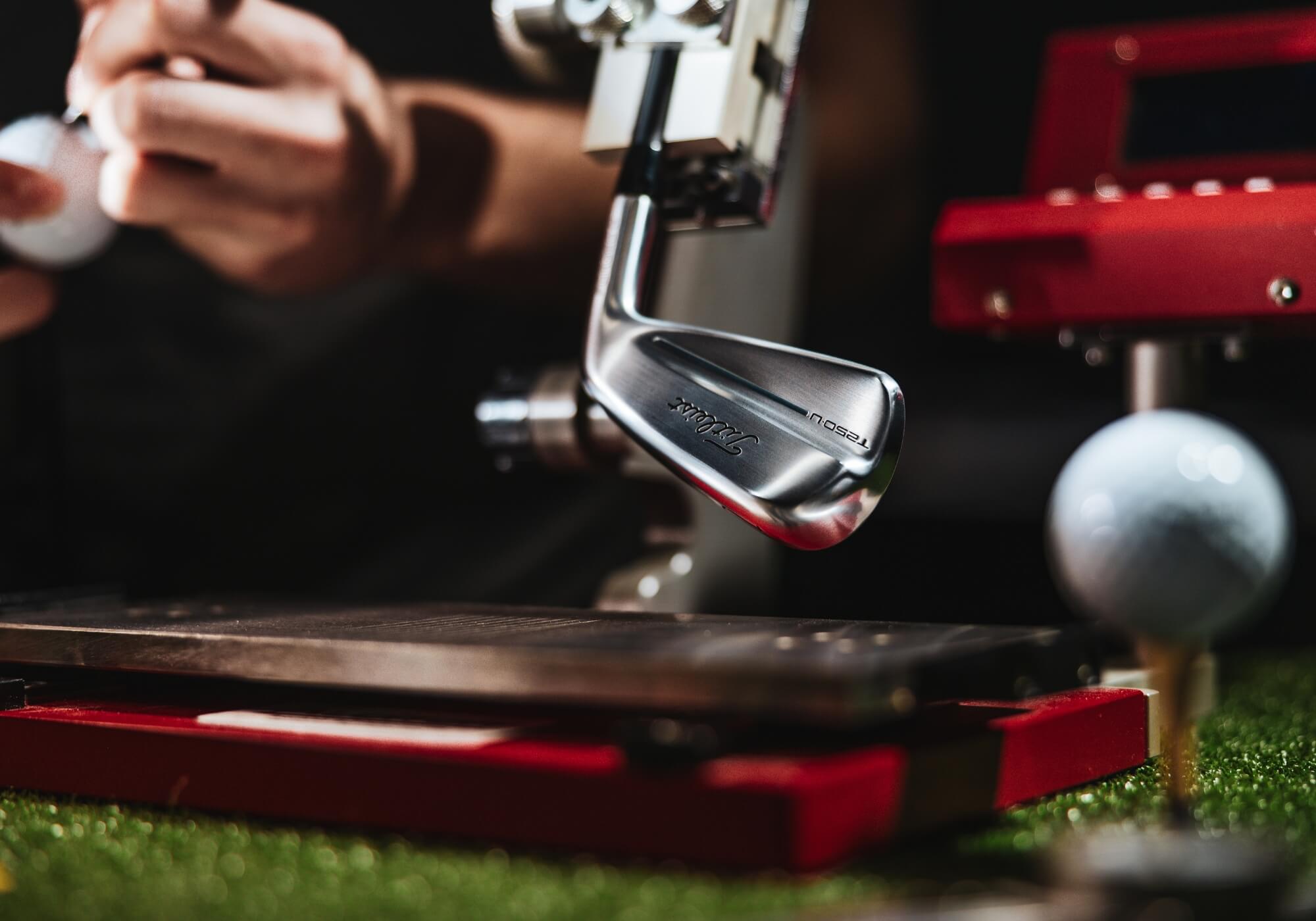

The Essential Guide to Driving Irons: Do They Belong in Your Golf Bag?
Driving irons have long been a subject of debate among golfers, often viewed as challenging to hit and primarily suited for professionals. However, understanding their capabilities can significantly impact your game, particularly in specific golfing conditions. This article will explore when driving irons might be beneficial for your game, along with reasons they may not be the best fit for everyone.
What Is a Driving Iron?
A driving iron is a type of golf club designed for specific situations, primarily at the top end of a golfer’s bag. Unlike regular irons, driving irons typically are constructed to provide lower ball flight and greater stability, making them ideal for specific courses and player styles. While they were once thought of as alternatives to drivers, modern evaluations reveal a more nuanced role for these clubs, highlighting their unique features that cater to selective playing conditions and golfer preferences.
Signs You Should Consider a Driving Iron
1) Tee Shots Where Driver Brings Trouble
The most compelling reason to incorporate a driving iron into your bag is the challenge posed by your typical tee shots. If you often play on courses characterized by narrow fairways, doglegs, or conditions that penalize excessive distance, a driver may not always be your best option.
Driving irons excel in situations where control and accuracy are more desirable than outright distance. They offer several advantages:
- A reliable option for tighter holes
- A solution when you’re caught between a driver and a hybrid or fairway wood
- A focus on keeping the ball in play
While driving irons won’t provide the same distance as a driver, they can establish an effective alternative that keeps your game steady and solid.
2) Desired Lower, More Penetrating Ball Flight
Another significant reason you might opt for a driving iron is your preference for a lower trajectory. While hybrids are designed to launch higher with an increased spin, driving irons deliver a flat, penetrating flight that can work wonders, particularly in windy conditions or firm turf.
If you resonate with the following scenarios, then a driving iron could be a beneficial addition:
- A preference for lower shots that navigate well below wind conditions
- Consistent issues with hybrid shots that launch too high
- A desire for trajectory control over sheer height
Driving irons streamline your ball flight, allowing you to tackle challenging course layouts.
3) Proficiency as a Ball Striker
To fully benefit from a driving iron, your skill level must align with the club’s demands. Driving irons reward solid contact; they won’t create it. Therefore, before adding a driving iron to your bag, consider your proficiency as a ball striker.
They work exceptionally well off clean lies and are best utilized for accurate tee shots rather than rescuing poor contacts. Here are some indicators that a driving iron could be a fit for you:
- You generally make solid contact with long irons
- Your mishits are manageable without significant penalties
Being a good ball striker gives you the capacity to capitalize on the advantages a driving iron offers.
Reasons to Stay Away From a Driving Iron
1) Low or Slow Swing Speed
If you possess a slower swing speed, a driving iron may not be the right investment for your game. Lower swing speeds can lead to decreased launch angles, negatively affecting your distance and trajectory.
If launching long irons proves to be a struggle for you, introducing a driving iron could exacerbate the issue. In such cases, consider sticking to hybrids or higher-lofted fairway woods, designed to provide better launch characteristics.
2) Expecting Forgiveness
A fundamental characteristic of driving irons is that they lack the forgiveness often found in hybrids and fairway woods. While some models may offer higher levels of forgiveness than others, this category typically does not prioritize forgiving design.
If you frequently miss the center of the clubface, you may suffer larger drops in ball speed and experience a broader range of carry distances. A more forgiving club can help manage scoring challenges arising from inconsistent contact.
Final Thoughts
In sum, driving irons can offer substantial benefits for certain golfers—particularly those looking for a controlled option off the tee, desiring a lower ball flight, and striking the ball effectively. However, they may not be the best choice for golfers with slower swing speeds or who rely heavily on the forgiveness typical of other clubs.
Before making your decision, consider whether your unique playing conditions and skill set align with the strengths of a driving iron. For insights on the best driving irons available, check out the latest reviews and buyer’s guides. With the right club in hand, you’ll have the opportunity to elevate your golf game and conquer even the most challenging courses.
If you’re interested in exploring the top driving irons available, take a look at the comprehensive review of the Best Driving Irons of 2025.
Explore additional options and discover how a driving iron can fit into your game by visiting the PGA Tour Superstore for a range of driving irons tailored to your needs.
By taking the time to evaluate your game and tailor your equipment accordingly, you can make informed choices that resonate with your golfing aspirations.
