


Brooks Koepka’s Return to the PGA Tour: Implications and Opportunities
Brooks Koepka has made headlines by officially announcing his return to the PGA Tour after a stint with LIV Golf. This significant move comes during a pivotal time in professional golf, particularly following the PGA Tour’s introduction of the Returning Members Program. This program creates a limited pathway back to the PGA Tour for select players who have participated in other tours for a minimum of two years. Given the competitive landscape of modern golf, this development is not just relevant for Koepka; it could pave the way for other prominent golfers to return to the prestigious tour.
In December 2023, Koepka parted ways with LIV Golf, marking a new chapter in his career. The Returning Members Program allows elite players who meet specific performance-based criteria to rejoin the PGA Tour. According to Brian Rolapp, the PGA Tour CEO, only those who have won either the Players Championship or any major championship between 2022 and 2025 can apply for reinstatement. For Koepka, this program is not merely a second chance but a crucial step toward regaining his position in professional golf.
Who Else Might Join Koepka?
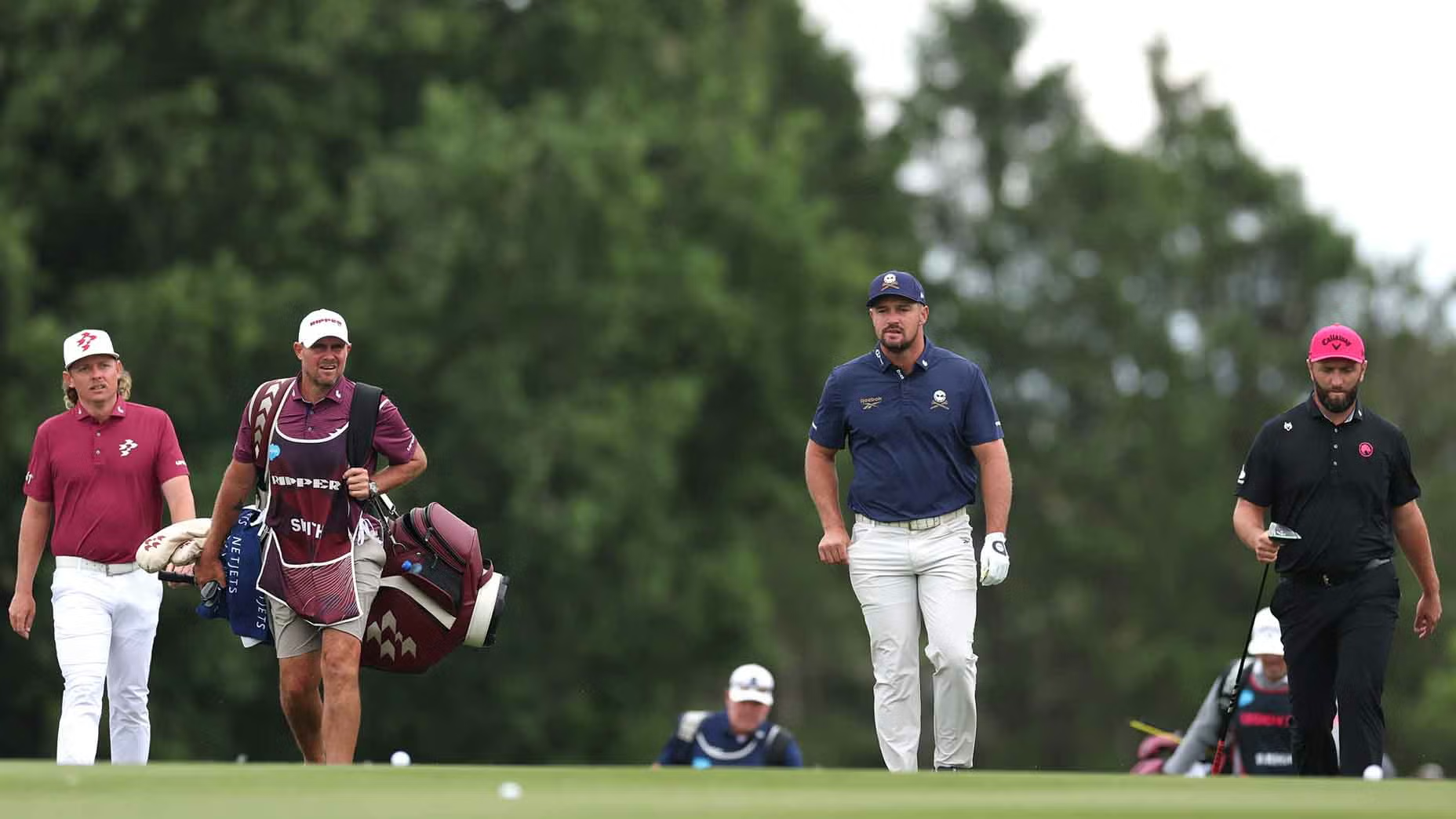
Koepka’s return raises questions about the future of other top players who made the switch to LIV Golf. Among those eligible for the Returning Members Program are Jon Rahm, Bryson DeChambeau, and Cam Smith. Rahm triumphed at the 2023 Masters, DeChambeau clinched victory at the 2024 U.S. Open, and Smith won both the Players and Open Championship in 2022. This trio now holds a unique opportunity to explore a return to the PGA Tour alongside Koepka, but whether they will take advantage of this opportunity remains uncertain.
Other high-profile names like Joaquin Niemann, Patrick Reed, Dustin Johnson, and Phil Mickelson do not qualify under the stringent criteria of the Returning Members Program. This limitation could help the PGA Tour maintain its competitive integrity while ensuring that only the most accomplished players are provided a path back.
Koepka Faces Financial Consequences
While the pathway back to the PGA Tour is significant, it comes with substantial financial repercussions for Koepka. Despite his remarkable achievements, his decision to leave the PGA Tour for LIV Golf has resulted in a five-year forfeiture of potential equity in the PGA Tour’s Player Equity Program. Estimates suggest that he could encounter financial losses ranging from $55 million to $90 million, contingent on his performance and the Tour’s growth.
Moreover, Koepka will also make a $5 million charitable contribution, a condition set forth by the PGA Tour. This stipulation exemplifies the seriousness of his return and demonstrates his commitment to giving back, even as he navigates the complexities of his career transition.
The Emotional Component of the Return
In announcing his return, Koepka expressed gratitude and excitement about competing once more on the PGA Tour. He emphasized the importance of being closer to home and spending more quality time with his family. His heartfelt statement highlights the emotional and personal dimensions of professional sports, illustrating how players often balance their career ambitions with personal commitments.
“I always dreamed about competing on the PGA Tour, and I am just as excited today to announce that I am returning,” Koepka remarked. His words resonate with fans and aspiring golfers alike, showcasing the passion that fuels athletes in high-stakes environments.
The Big Three’s Decision-Making Dilemma
The unfolding narrative isn’t limited to Koepka alone. The fate of the “Big Three”—Rahm, DeChambeau, and Smith—is equally intriguing. While Koepka’s exit from LIV Golf may influence the decisions of these elite players, the dynamics of their contracts and personal aspirations make their paths unpredictable.
DeChambeau, for instance, noted that Koepka’s departure could complicate his negotiations regarding contract renewal with LIV Golf. Meanwhile, Rahm has openly expressed his hope to continue competing against Koepka, emphasizing the camaraderie formed through their shared experiences on the golf course.
Time is of the Essence
For Rahm, DeChambeau, and Smith, the clock is ticking. The limited duration of the Returning Members Program means that any decisions to return to the PGA Tour must be made promptly. Furthermore, the impending deadline adds an air of urgency to their considerations, encompassing both contractual obligations and personal career aspirations.
As the landscape evolves, the intrigue surrounding the actions of these players will undoubtedly add layers to the already complex narrative of professional golf. With the potential for more players to transition back to the PGA Tour, fans will be closely monitoring developments.
The Future of Professional Golf
The reintroduction of players like Koepka back into the PGA Tour is indicative of broader changes within professional golf. As the sport evolves, the competition between different tours and leagues will play a vital role in shaping its future. The structure of the Returning Members Program symbolizes efforts to restore the status quo while remaining competitive in an increasingly diversified landscape.
Moreover, Koepka’s commitment to the PGA Tour not only strengthens the league but also creates a narrative of redemption and renewed purpose, further captivating fans and aspiring golfers alike.
Community and Charity in Focus
As Koepka returns, his $5 million charitable contribution signifies the importance of community engagement in professional sports, especially in golf. Players have often used their platforms to raise awareness for various causes, and Koepka’s commitment serves as a reminder that sports can offer avenues for positive change.
Promoting social responsibility within professional sports can encourage players to use their influence for greater good, making a lasting impact beyond just the realm of competition.
Conclusion: The Road Ahead
As Brooks Koepka embraces his return to the PGA Tour, many questions remain unanswered regarding the future of professional golf. Will Rahm, DeChambeau, and Smith take the plunge and follow in his footsteps? The implications of these decisions will be far-reaching, not only for the players involved but also for the larger ecosystem of professional golf.
This evolving narrative promises to engage fans, challenge players, and redefine the landscape of professional golf in the coming years. As Koepka takes to the greens once more, the story is far from over; in fact, it may be just beginning. Keep an eye on this space for the latest updates and developments as the drama unfolds.
