


Major Crackdown on Counterfeit Golf Gear in China: Over 105,000 Imitations Seized
The prevalence of counterfeit golf equipment poses a significant risk to the integrity of the sport and the safety of players. Such gear often resembles legitimate products but lacks the quality and performance that genuine clubs offer. Recent actions taken by authorities highlight an ongoing battle against this issue, particularly with recent events in Huizhou City, China.
A Coordinated Effort Against Counterfeiting
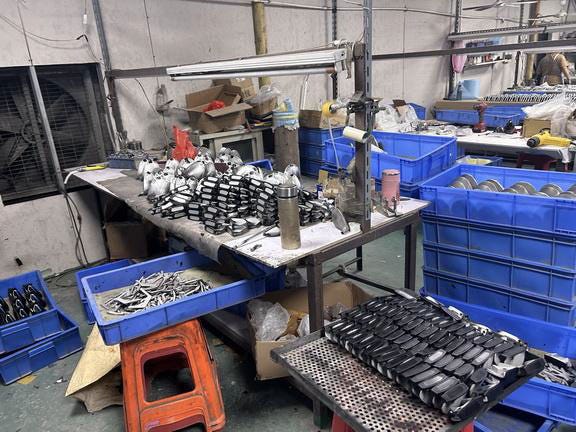
Earlier this month, the U.S. Golf Manufacturers Anti-Counterfeiting Working Group, commonly referred to as The Golf Group, launched a series of four coordinated raids in Huizhou City. Law enforcement officials detained eight suspects and confiscated an astounding 105,211 pieces of counterfeit golf equipment. This haul included clubheads, tools, and labels that illicitly displayed the trademarks of well-known manufacturers.
This recent seizure adds to the staggering total of over three million fake golf products that The Golf Group has helped authorities remove from circulation since 2004.
Real Dangers of Counterfeit Equipment
Counterfeit golf clubs are more than just low-quality imitations; they can be dangerous. These products often fail to meet safety standards and can lead to disappointing performance on the green. The presence of fake gear in the market erodes consumer trust and devalues true craftsmanship in golf equipment.
Jud Hawken, Associate General Counsel for Ping Golf, stated, "As we enter 2026, raid actions like these are a constant reminder to counterfeiters across the globe that their actions have consequences. As golf continues to grow in popularity globally, The Golf Group will work tirelessly to educate consumers on the dangers of counterfeit equipment, supporting law enforcement agencies across the world to prosecute perpetrators to the fullest extent of the law."

An Industry-Wide Initiative
The Golf Group boasts a membership that includes prominent companies such as Acushnet Company (Titleist, FootJoy, Scotty Cameron), Callaway, Ping, PXG, and TaylorMade. Over the past 20 years, this collaborative effort has led to thousands of illegal websites being shut down, supported more than 300 raids worldwide, and resulted in the conviction of over 200 counterfeit sellers and distributors.
Despite these successes, the counterfeit market remains a persistent threat, especially given the escalating demand for golf products as the sport continues to attract new enthusiasts.
Conclusion: Stay Vigilant
The key takeaway for golfers is straightforward: if a deal seems too good to be true, it probably is. Counterfeiting thrives on consumer demand, and as golf’s popularity surges, so too does the risk of encountering counterfeit merchandise. Staying informed and vigilant is crucial for ensuring that golfers invest in high-quality, authentic equipment.
By remaining aware of the dangers associated with counterfeit gear, golfers can contribute to a safer, more trustworthy marketplace for authentic golf equipment.
