

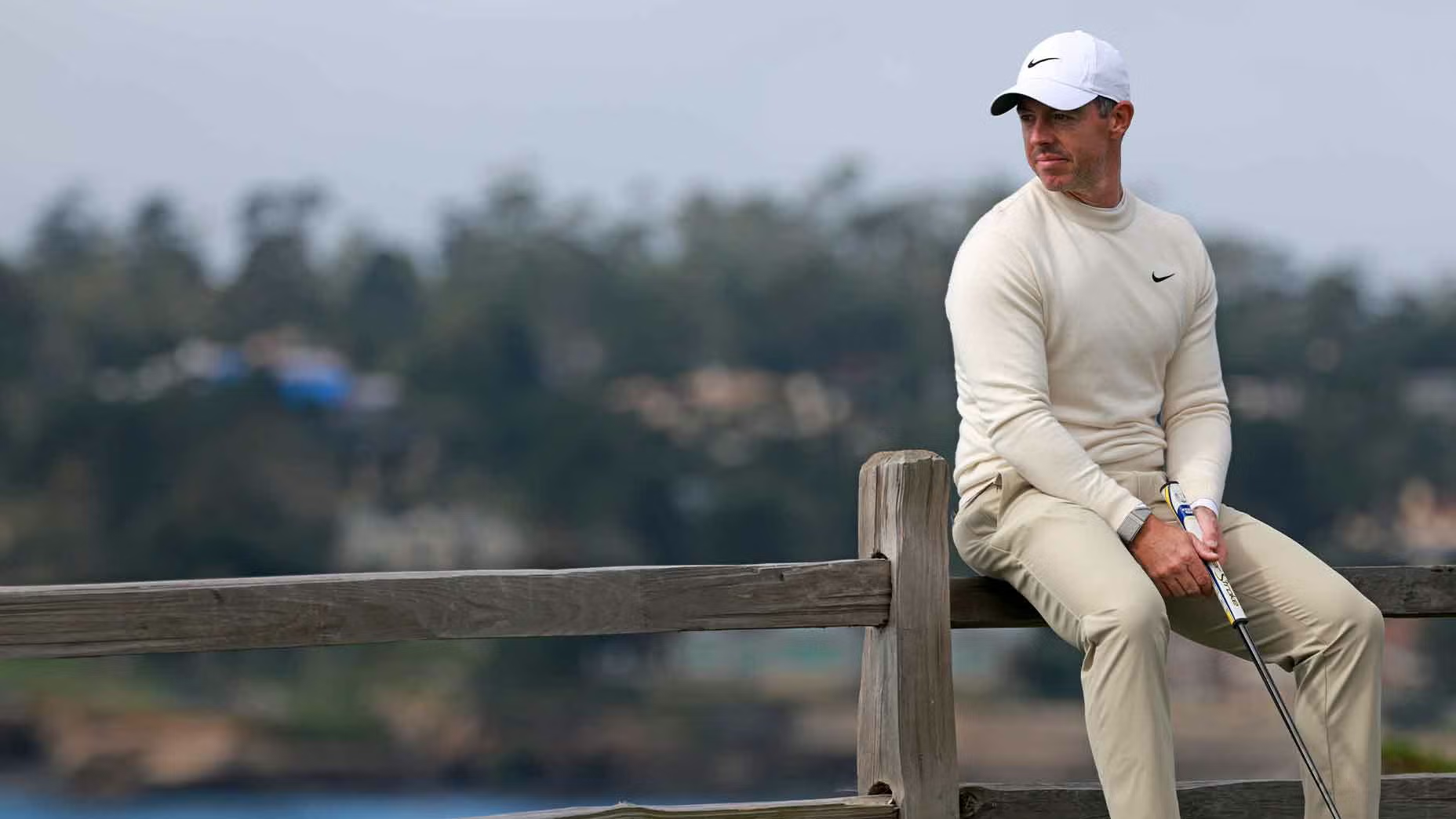

Hey there, fellow golf enthusiasts! Alexis Morgan here, your Lifestyle Editor for The Daily Duffer. I’ve just been reflecting on a recent piece from Pebble Beach, and it got me thinking about something fundamental to both golf and life: decisiveness. We all chase those perfect swings and dream of walking the hallowed grounds of golf’s cathedrals. But what about the journey, the choices, and the mindset that gets us there?
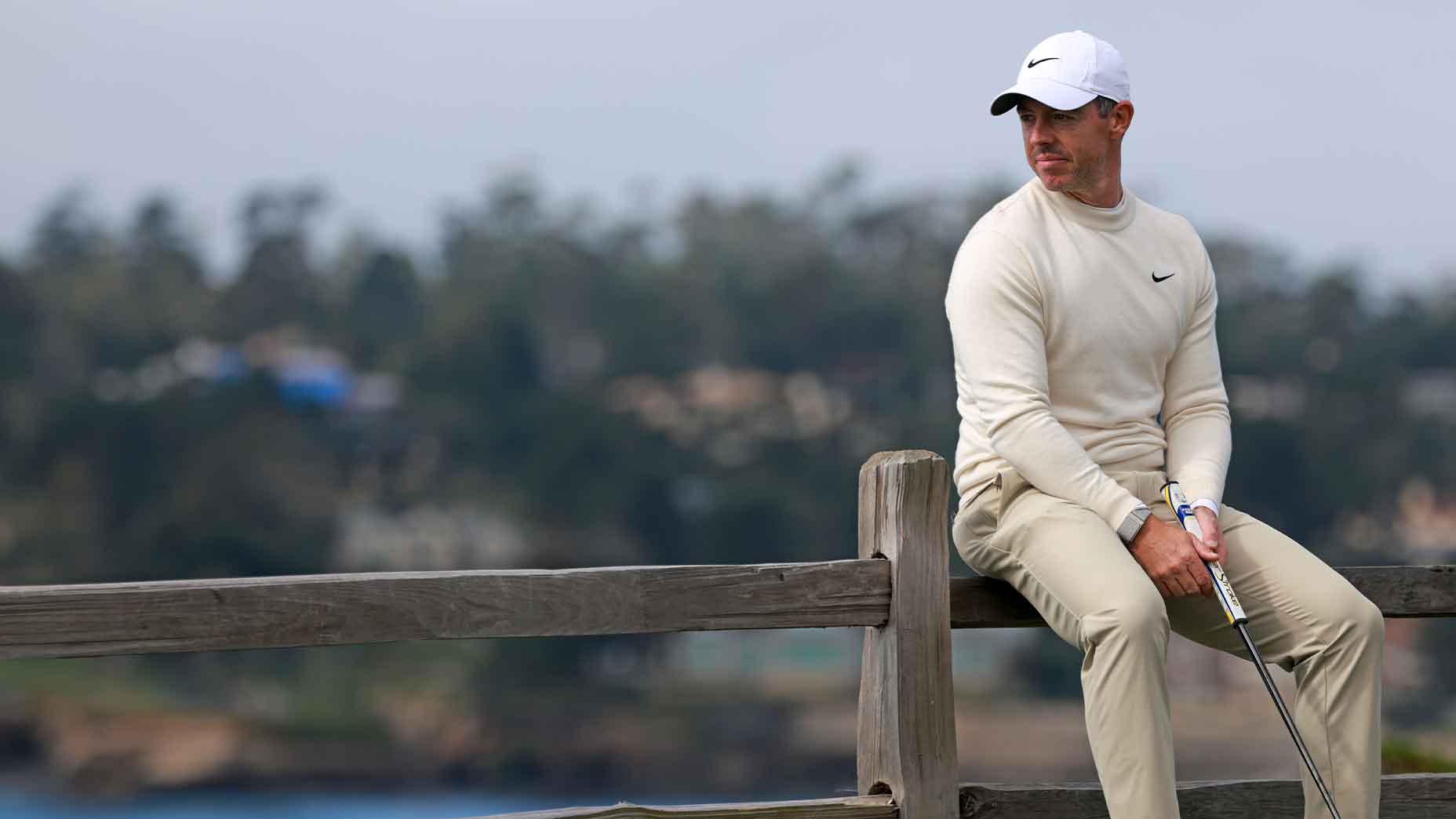
Pebble Beach, in all its rugged glory, offers a sharp lesson right on the 18th tee box: a sign that simply reads, “NO SITTING ON FENCE.” It’s more than just a course rule; it’s a profound life philosophy, especially for us golfers. The game, much like life, demands commitment. From choosing your club to committing to your shot, hesitation can be your biggest enemy. And as Rory McIlroy’s recent triumphs remind us, this principle holds true at the highest levels, but it resonates deeply with us everyday players too.
I find it fascinating how the challenges on the course mirror the challenges in our personal lives. Those moments where you’re standing over a tough shot, deliberating between two clubs, feeling the pressure – that’s exactly where decisiveness comes in. It’s about trusting your instincts, your preparation, and your inner voice. This isn’t just about lowering your handicap; it’s about cultivating a mindset that empowers you to tackle decisions in your career, relationships, and well-being with confidence.
Rory McIlroy, a name synonymous with ambition and achievement, embodies this perfectly. His journey to a Grand Slam, capped by that career-altering victory at Augusta, didn’t just happen. It started with smaller, yet significant, breakthroughs. As the article points out, his 2025 win at Pebble Beach was a crucial step.
“There’s a few what I would call cathedrals of golf,” McIlroy said then. “Here, Augusta, St. Andrews — maybe a few more you could add in there. I had a big fat zero on all of those going in here. To knock one off at Pebble is very cool.”
This isn’t just about trophies for Rory. It’s about fulfilling deeply held aspirations, pushing boundaries, and making history. And for us? It’s about setting our own “cathedral” goals – whether it’s breaking 90, sinking that challenging putt, or walking a new, admired course. Each small victory builds the confidence for the next, larger one. It’s a beautifully human parallel, isn’t it?
Beyond the Scorecard: Cultivating a Mindset for Success
So, how do we, the everyday golfers, embrace this “no sitting on fence” philosophy in our own lifestyle? I believe it boils down to a few actionable takeaways:
1. Commit to Your Choices, On and Off the Course
Think about a time you wavered on a shot, pulled out an extra club for fear of coming up short, only to mishit it. Or perhaps you had a gut feeling about a career move, hesitated, and regretted it later. Decisiveness isn’t about being right every time, but about committing to a course of action. This means trusting your instincts, whether it’s choosing a new wellness routine, taking on a new challenge at work, or yes, picking that 7-iron with conviction.
2. Embrace Your “Cathedrals”
Rory talks about his dream courses, but what are yours? Maybe it’s playing a round at your local municipal without losing a ball, or perhaps it’s the personal “cathedral” of finally sticking to that fitness regimen. Identify those aspirational goals that truly ignite your passion. Write them down. Visualize yourself achieving them. This clarity fuels your drive.
“There’s places I haven’t won that I would love to,” McIlroy said. “St. Andrews being one of them. Riviera next week would be another. Riviera and Muirfield Village are two. They’re wonderful golf courses but who hosts the events as well. You know, Tiger and Jack. I was able to win Bay Hill but not while Arnie was around, so it would be nice to win both those tournaments while both those guys are alive and kicking.”
This quote from Rory highlights a deeper connection: it’s not just about the place, but the legacy and the people associated with it. For us, it’s about appreciating the journey, the camaraderie with fellow golfers, and the shared experiences that make this game so rich.
3. Learn from History, Create Your Own
Rory himself is a “big historian of the game.” He understands the weight of tradition and the stories etched into every course. This historical perspective doesn’t trap him in the past; it informs his future. For us, it means learning from our past rounds – what worked, what didn’t – but also looking forward. What kind of golf story do you want to write for yourself? What legacy are you building, not just on the course, but in your overall well-being and lifestyle?
“There’s a lot of golf courses with a lot of history. There’s a lot of old U.S. Open sites that have had some great things happen at them,” McIlroy said. “Yeah, this is certainly one, Augusta was another, and the last one I think — not the last one, but the biggest one on the list would probably be St. Andrews.”
What I love about this is the ambition – the constant pursuit of the next challenge, the “biggest one on the list.” It’s a reminder that personal growth is never finished. There’s always another goal, another experience waiting to be conquered. And whether that’s mastering a new yoga pose or finally getting that perfect short game, the principle remains the same.
The Lifestyle of a Decisive Golfer
Ultimately, the “no sitting on fence” mantra from Pebble Beach isn’t just about golf; it’s about living a life of purpose and intention. It’s about taking those courageous steps, big or small, that lead to personal breakthroughs. When we cultivate this decisiveness on the course, it spills over into all other aspects of our lives – from how we approach our health and wellness routines to the fashion choices we make, expressing our authentic selves.
So, the next time you find yourself at a crossroads, on the course or off, remember that simple sign. Trust your gut, commit to your decision, and walk forward with confidence. Because as Rory McIlroy (and the spectacular drama of golf itself) teaches us, breakthroughs often come in multiples – and they start when we decide to stop sitting on the fence.
