


As a lifestyle editor, I’m always looking for ways to demystify the golf world, to peel back the layers and show you how even the most technical aspects of the game can connect to your everyday life. We often hear about specific clubs, grips, or swings in a way that feels exclusive to the pros, but what if I told you that one of golf’s most nuanced pieces of equipment holds a powerful lesson about self-discovery and trusting your instincts?
I’m talking about wedges, specifically the elusive “grind.” For years, we’ve been taught to obsess over bounce numbers – that magical digit that’s supposed to dictate how your wedge interacts with the turf. But what if those numbers are actually leading us astray?
Beyond the Bounce: Trusting Your Feel
I recently tuned into GOLF’s Fully Equipped, and co-hosts Johnny Wunder and Jake Morrow hit on something truly profound. They highlighted how focusing solely on the bounce number can create a misleading picture of what a wedge will actually do for you. It got me thinking about how often we rely on external metrics, be it in golf, fitness, or even our careers, instead of listening to our own internal compass.
Morrow shared a fantastic anecdote from his own testing on tight lies, the kind that can make even the most confident golfer quail. He picked up a T grind wedge, which on paper, with its low bounce, seemed like the perfect fit for those unforgiving conditions.
“I was hitting the Opus T, and I was on the very left side of a two-weeks-without-rain ECPC range, which is the tightest lie they have,” Morrow explained. “And with the T grind, which they say on paper and in the forums and everything, that should be the one that works, right? Because it’s super tight. You’re going to be able to nip it, but whatever.”
Sounds logical, right? But here’s where the human element comes in. Despite what the numbers suggested, Morrow’s personal experience told a different story. His swing, his unique way of interacting with the ground, was at odds with the “conventional wisdom.”
“Well, the problem is for me as a steeper player, it just turns into a knife and then it doesn’t come out of the ground. That’s the issue.”
This resonates with me so much. How many times have we followed a diet plan that promised results “on paper,” only to find it completely unsuitable for our body type or lifestyle? Or bought a piece of clothing because it was trending, only to realize it didn’t feel right on us? Morrow’s experience is a powerful reminder that our individual characteristics, our unique “delivery conditions,” trump generic data every single time.
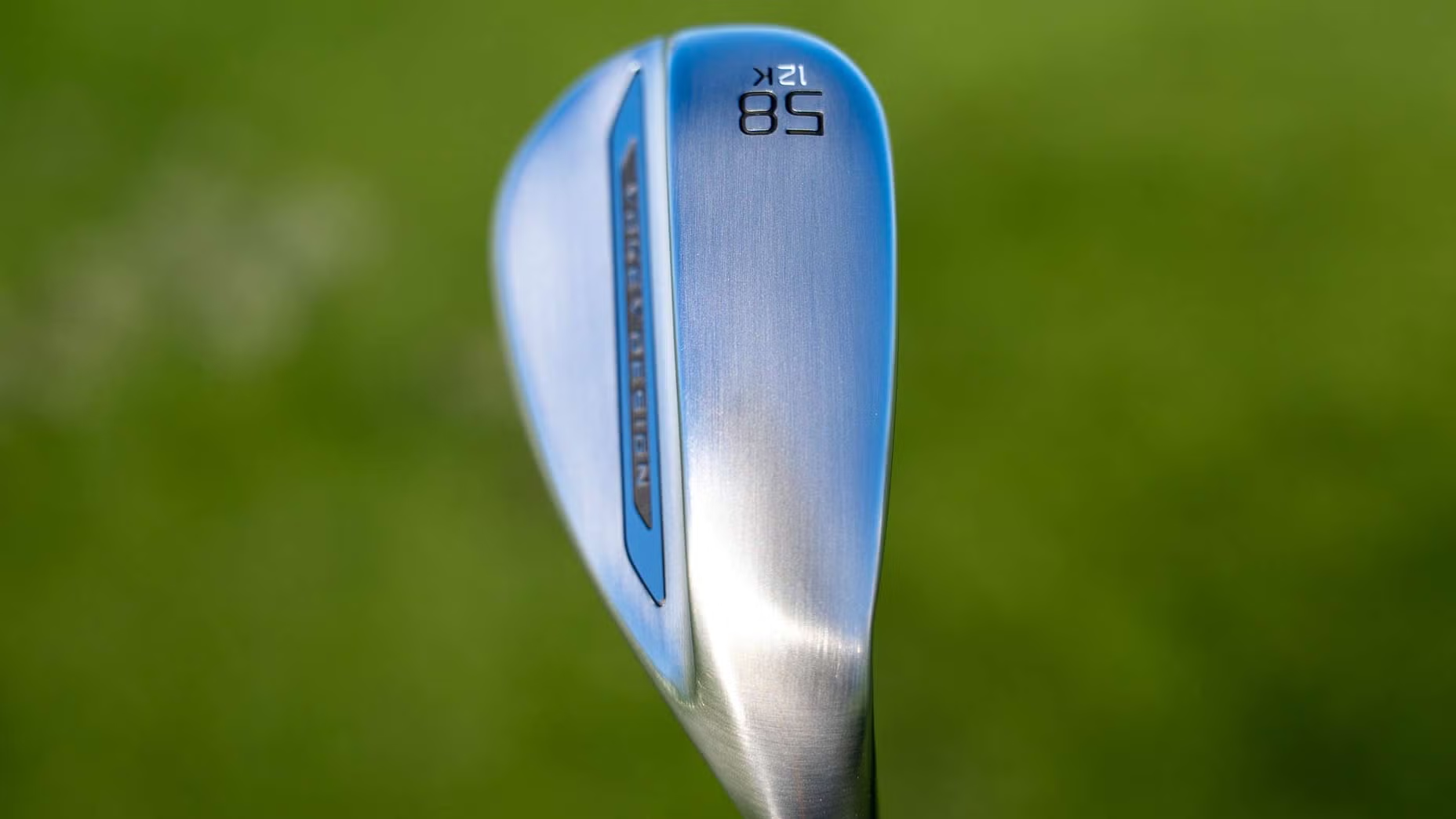
What happened next is truly illustrative. Morrow, driven by his own feel and instinct, switched to a wedge that, by traditional metrics, should have been all wrong for the tight lie: the 12-degree X grind with significantly higher bounce. The result?
“And so I go, and I start hitting these like 20-yard pitches with the 12-degree X grind, which is probably the highest they have and I feel like an absolute god.”
“An absolute god.” That’s the feeling we’re all chasing, isn’t it? That moment of effortless execution, that surge of confidence that comes from finding what genuinely works for *you*. It’s a feeling that transcends the golf course and spills into every facet of our lives.
The Art of the Blind Test: A Metaphor for Life
This experience led Morrow to a radical suggestion, one that I find incredibly compelling:
“I’m almost at the point where I wish the bounce number would just be eliminated from wedges,” Morrow said. “Like I just want to put the shape of the sole, whatever the grind is from each manufacturer on the bottom of them. And the blind test that Vokey does is probably the best way to do it.”
Eliminate the number. Focus on the feel, the shape, the actual interaction. This isn’t just about wedges; it’s a philosophy. How often do we let preconceived notions, statistics, or groupthink cloud our judgment? Think about how much more authentic our choices in fashion, wellness, or even relationships would be if we approached them with a “blind test” mentality, stripping away the labels and focusing purely on how something makes us feel.
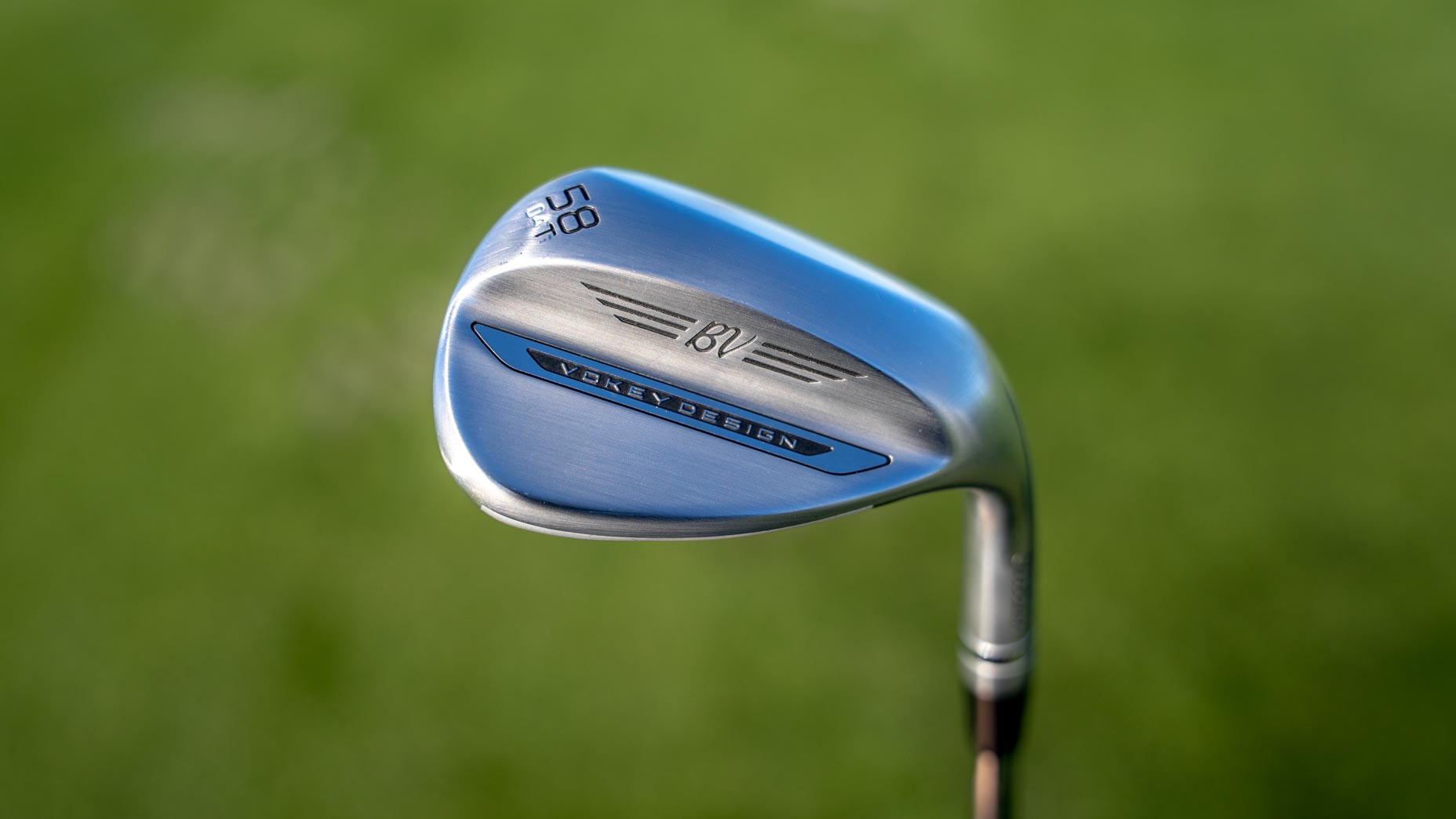
Vokey, a brand renowned for its wedges, even uses a blind testing approach, allowing golfers to experience different grinds without the bias of written specifications. This approach values intuition and personal experience over cold data, which I think is a beautiful thing.
Your Unique Golfing DNA and Beyond
The core takeaway is simple yet profound: there are no hard and fast rules. Your golf swing, like your personality, is unique. Your “delivery conditions” – how you approach the ball, the angle of your club, your interaction with the turf – are yours alone. Trying to fit into a standardized mold, whether it’s a wedge grind or a lifestyle trend, will rarely lead to that “absolute god” feeling.
So, for all you everyday golfers out there, here’s my challenge to you: when you’re looking for your next wedge, don’t just read the specs. Don’t just listen to what everyone else is saying. Go to a reputable fitter – someone who understands the nuances of grind shapes – and ask to test wedges blindly. Pay attention to how the club feels through the turf, how it reacts on different lies, and most importantly, how it makes you feel when you hit that perfect shot. It’s an exercise in self-awareness, a journey to understanding what truly works for *your* game.
This principle extends far beyond the course. In life, sometimes the best choices aren’t the ones that look best on paper but the ones that *feel* best in your hands, in your heart, and in your gut. Trust your instincts, embrace your unique style, and you’ll find yourself feeling like an “absolute god” more often than not.
