


As a golf instruction editor for The Daily Duffer, and someone who’s spent over 15 years helping golfers of all levels, I’ve seen firsthand how crucial equipment is to a player’s success. But sometimes, what seems like a straightforward choice can become incredibly nuanced. Take wedges, for instance – specifically, their grind. It’s a topic often oversimplified, and today, I want to demystify it for you.
For years, golfers have been taught to look at the bounce number on a wedge and make decisions based on that alone. But as the game evolves and club technology advances, we’re realizing that approach can be misleading. In fact, relying solely on the stated bounce number might be holding you back from finding your perfect short-game weapon.
What exactly is wedge grind? Simply put, it’s the shaping of the sole of the wedge. This shaping dictates how the club interacts with the turf at impact. It determines whether the leading edge digs into the ground or glides smoothly over it. And here’s the kicker: the stated bounce number on the club isn’t always a true reflection of how that sole will perform for you.
Jake Morrow, from GOLF’s Fully Equipped, shared a perfect example from his own testing that really resonates with what I see on the lesson tee:
“I was hitting the Opus T, and I was on the very left side of a two-weeks-without-rain ECPC range, which is the tightest lie they have. And with the T grind, which they say on paper and in the forums and everything, that should be the one that works, right? Because it’s super tight. You’re going to be able to nip it, but whatever.
Well, the problem is for me as a steeper player, it just turns into a knife and then it doesn’t come out of the ground. That’s the issue.”
This illustrates a fundamental truth: your swing type matters more than just the lie. Jake is a steeper player, meaning his club comes into the ball at a more acute angle. For him, a low-bounce T-grind, which is often recommended for tight lies, actually dug in, leading to chunky shots. What worked instead?
“And so I go, and I start hitting these like 20-yard pitches with the 12-degree X grind, which is probably the highest they have and I feel like an absolute god.”
An X-grind with 12 degrees of stated bounce might sound counterintuitive for tight lies, but for Jake’s steeper swing, it provided the forgiveness and glide he needed. This is why I tell my students that understanding your own swing dynamics – your angle of attack, your release pattern – is paramount when choosing wedges. It’s not about catering to the course conditions as much as it is to your unique delivery conditions.
Unlocking Your Perfect Wedge: The Blind Test Approach
The solution isn’t to get bogged down in numbers, but to feel the difference. Morrow even suggests getting rid of the bounce number altogether:
“I’m almost at the point where I wish the bounce number would just be eliminated from wedges. Like I just want to put the shape of the sole, whatever the grind is from each manufacturer on the bottom of them. And the blind test that Vokey does is probably the best way to do it.”
This “blind test” approach, where you try different wedges without knowing their specific bounce or grind numbers, is incredibly powerful. It forces you to focus on feel and performance. After all, the golf ball doesn’t know what number is stamped on your club; it only reacts to how you present the clubface and sole.
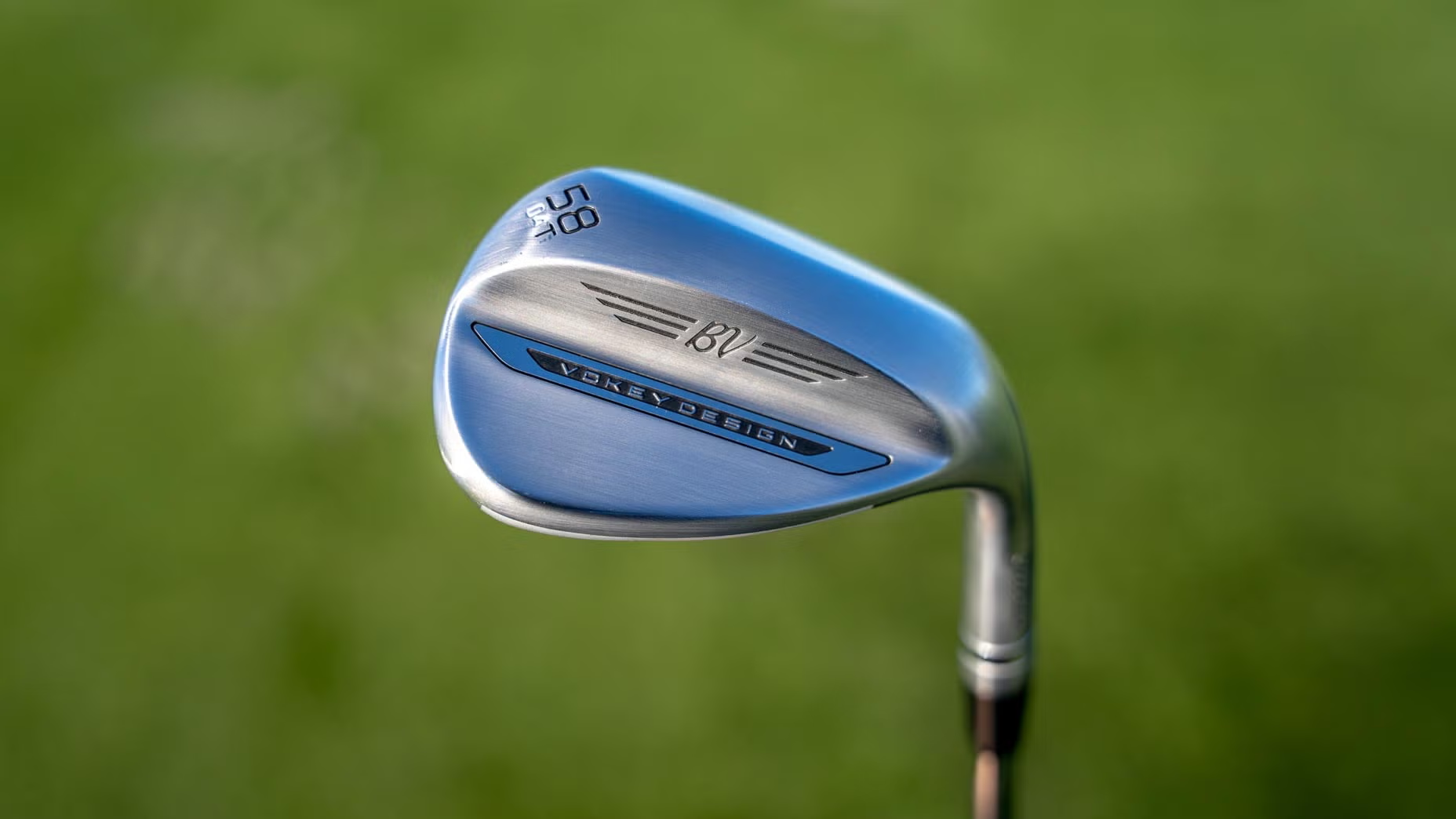
Manufacturers like Titleist with their Vokey SM11 wedges are focusing on precise CG placement across different grinds and lofts. This means the feel and performance are remarkably consistent for a given strike, allowing you to really dial in on what grind suits you best.
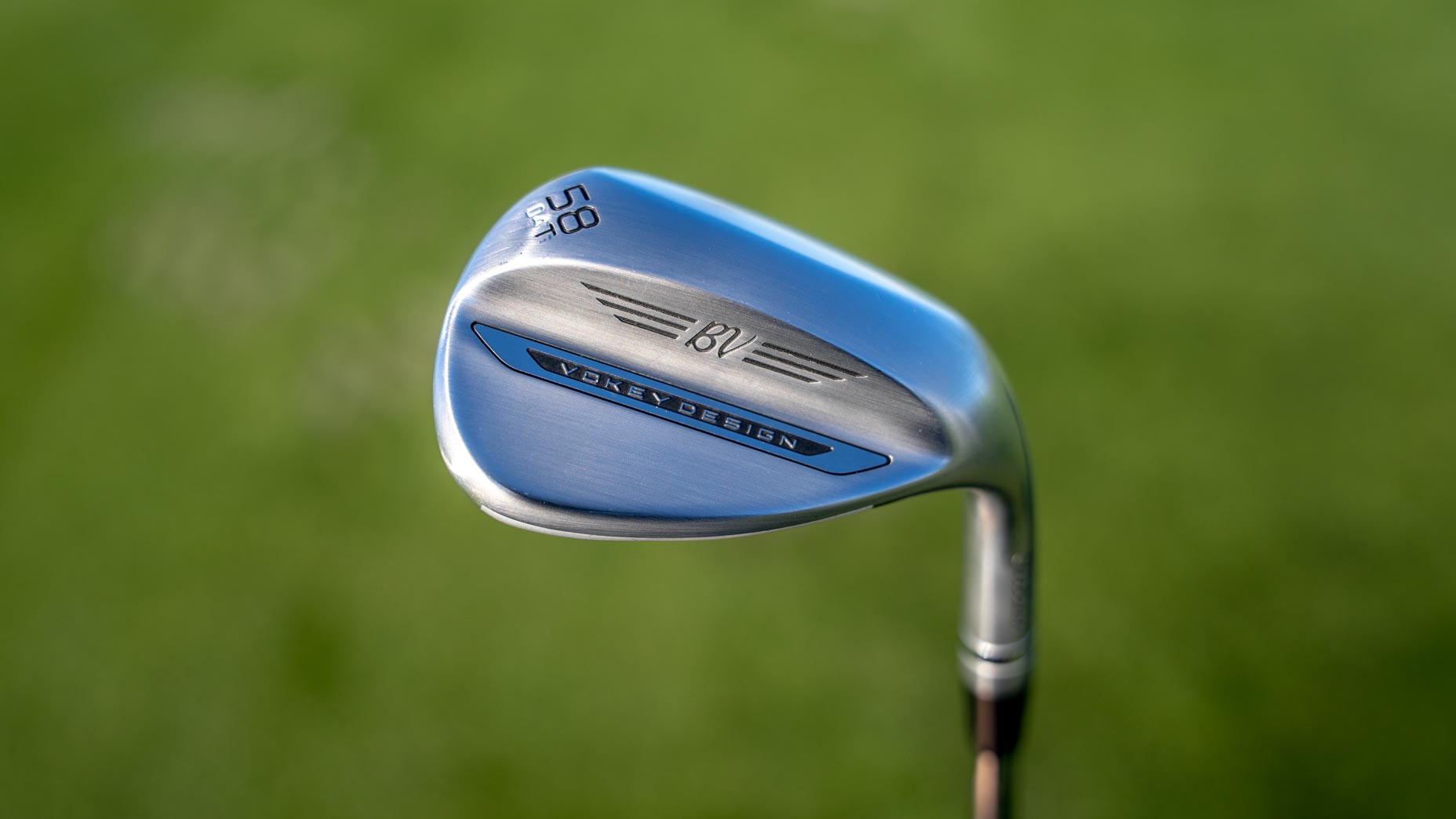
Titleist Vokey SM11 Tour Chrome Wedge
Titleist Vokey Design’s new SM11 wedges feature a new precise CG position across each grind in a loft, meaning every wedge will now perform the same way with the same strike.
Practice Drills to Find Your Grind
So, how do you take this information and apply it to your game? It starts with experimentation and understanding your natural swing. Here are a couple of drills to guide you:
Try this: The “Feel First” Chipping Drill
Grab a few different wedges – maybe your current 56-degree, a loaner with a higher bounce, and one with a very different grind (e.g., a C-grind vs. an M-grind). Head to the chipping green and hit 10-15 chips with each, without looking at the sole. Focus on the feeling of the club through the turf. Does it dig? Does it bounce off? How consistently do you make clean contact? Your goal is to identify which sole shape feels most forgiving and produces the most consistent results for you, independent of any numbers. Pay attention to how it performs on slightly fat shots and thin shots. The ideal grind will minimize the damage on less-than-perfect strikes.
Here’s a drill: The “Steep vs. Shallow” Comparison
This drill helps you understand your natural angle of attack. Take a divot with your 7-iron from a tight lie. Observe the divot. Is it long and shallow, indicating a more sweeping or shallow angle of attack? Or is it deep and compact, suggesting a steeper angle? Now, try the same with your current sand wedge. If you consistently take deep divots with your sand wedge, especially from good lies, you might benefit from more bounce or a grind that allows for better turf interaction. If you tend to “pick” the ball without much divot, a lower bounce or more aggressive sole relief might be beneficial. This self-assessment provides valuable data points for when you do a proper fitting.
Your Path to Better Wedge Play
Improving your wedge game is one of the fastest ways to lower your scores, and finding the right clubs is a huge part of that. Don’t let confusing numbers dictate your choices. Trust your feel, understand your swing, and don’t be afraid to experiment. With the variety of grind options available today, there’s a perfect wedge out there for your specific delivery conditions. Remember, anyone can improve with proper instruction and the right tools in their bag!
You can delve deeper into this topic by listening to the full episode with Johnny Wunder and Jake Morrow:
