


Hello, fellow Duffer! Sarah Chen here, your Golf Instruction Editor, and I’m excited to share some insights with you today. As a PGA-certified instructor with over 15 years on the links, I’ve had the privilege of working with golfers of all levels, from tour pros to weekend warriors. One thing I’ve learned is that the game’s greatest moments often happen when we least expect them, and sometimes, even a little “banter” can lead to a valuable lesson.
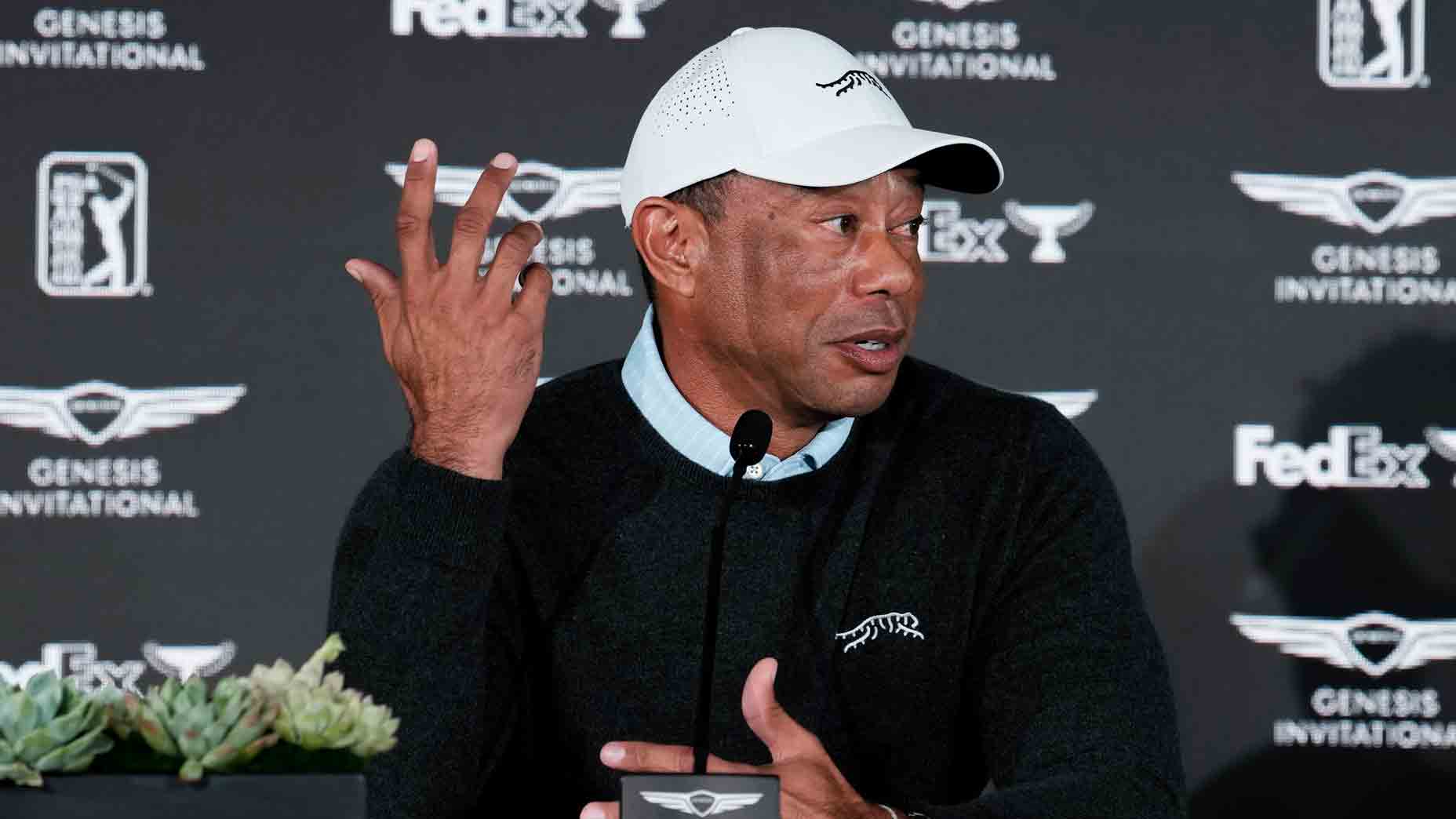
I recently read a fascinating anecdote from Tiger Woods himself, speaking about his experiences at Riviera Country Club. It’s a course steeped in history, and as Tiger noted, it’s a place where you truly “hear things.”
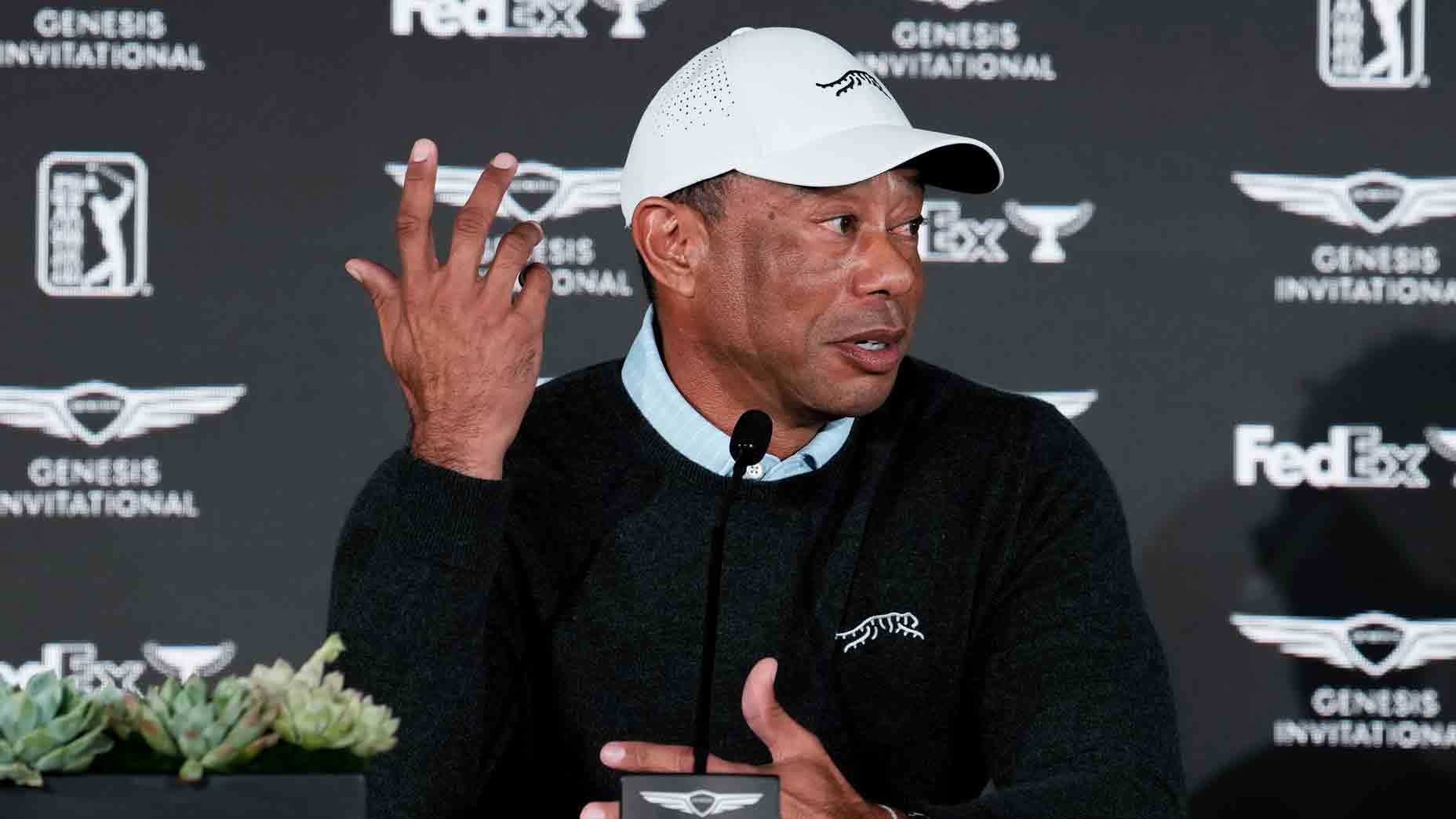
He recounted a particularly memorable interaction from his childhood:
“And this golf ball comes slamming in there,” he said, “I go running over to it, and it’s a Ram golf ball. I’ve never heard of Ram. What is Ram? I’m 8 years old, right? So I go running over there, and I’m just looking at it, and this caddie just pushes me out of the way. ‘Kid, get out of the way.’ I look up, and I don’t know who he is at that time, and later find out it was Bruce Edwards caddying for Tom Watson.”
Tiger was just 8 years old, mesmerized by a golf ball that landed near him on the 8th green. He was so engrossed in the moment that he was, quite literally, in the way. This story, while humorous, highlights a critical aspect of golf that often gets overlooked: awareness and positioning, not just physically, but mentally.
The Power of Awareness: More Than Just Seeing the Ball
As golfers, we often get so focused on our swing mechanics or the flight of our ball that we forget the larger context of the game. Tiger’s childhood experience isn’t just a fun story about a caddie; it’s a reminder that even the greatest players started by simply observing and being present. For you, whether you’re a high-level amateur or just starting your journey, developing a keen sense of awareness on the course is a game-changer.
This awareness isn’t about being in the way, but about understanding your surroundings, reading the course, and being present in every moment, good or bad. It’s about taking in information – the wind, the lie, the contours of the green – that helps you make better decisions, even before you address the ball.
Bringing Awareness to Your Pre-Shot Routine
Many of my students come to me wanting to perfect their swing, but I always tell them that a great swing is only as effective as the decisions made leading up to it. This is where awareness truly shines. Think about what Tiger observed even as a young spectator:
“Banter back and forth between the pros and the gallery,” he said.
Even the atmosphere, the sounds around him, were part of the experience. You don’t need to be a major winner to tap into this level of observation.
Try this: The “Sensory Check-In” Drill
Before every shot, take a moment to engage all your senses:
- See: Beyond just the target, look at the entire shot. Where are the hazards? What’s the slope of the land? Notice the texture of the grass around your ball.
- Feel: How does the ground feel beneath your feet? Is it firm or soft? How heavy is the club in your hands? Feel the gentle breeze on your skin.
- Hear: Listen to the wind, the rustle of leaves, the distant sounds of other golfers. What is the sound telling you about the conditions?
- Internal Check: What is your body telling you? Are you tense? Are you balanced? Take a deep breath.
This drill helps you slow down, gather crucial information, and build a clearer picture of the shot you’re about to execute. It’s about being fully present, not just physically but mentally, before you even begin your swing.
Caddie-Level Course Management
Tiger also mentioned how he made his first PGA Tour appearance at the L.A. Open at Riviera as a 16-year-old, shooting rounds of 72 and 75, missing the cut by six shots. Even at that young age, playing at such a high level requires incredible course management. Bruce Edwards’ “kid, get out of the way” moment, though perhaps startling for young Tiger, is a testament to the caddie’s role in maintaining focus and managing the environment for their player. While you might not have a professional caddie, you can adopt a caddie’s mindset.
Here’s a drill: The “Strategic Walk-Through”
Before you play your next round, or even just before your next shot on the range, take a strategic walk-through in your mind:
- Identify your target: Don’t just aim at the flag. Where is the safe miss? Where is the best landing spot for your next shot?
- Map out consequences: What happens if you hit it left? What if you hit it right? Understand the risks and rewards of each shot choice.
- Choose your club deliberately: Don’t just grab your standard club. Consider the wind, the lie, and the elevation changes. Should you choke down? Hit a softer shot?
This intentional thinking process helps you play smarter, not just harder. It transforms your game from a series of individual swings into a strategic journey around the course.
Embrace the Journey, Find Your Stories
Ultimately, golf is more than just hitting a ball; it’s an experience. Tiger sums it up beautifully:
“For me, that’s part of the neat things being here at Riv,” he said, “being able to go back in time as a kid.”
Every time you step onto the course, you’re creating your own stories, your own memories, and your own lessons. Embrace the challenges as opportunities to learn. Don’t be afraid to try new approaches, be attentive to your surroundings, and most importantly, enjoy the journey. Anyone can improve with proper instruction and a curious, engaged mind. Go out there and make some memories!
