


Hello, fellow Duffer! Sarah Chen here, your Golf Instruction Editor, and I’m always thrilled to share insights that can help you elevate your game. I’ve spent over 15 years on the lesson tee, working with everyone from aspiring tour pros to dedicated weekend warriors, and I truly believe that with the right approach, anyone can improve.
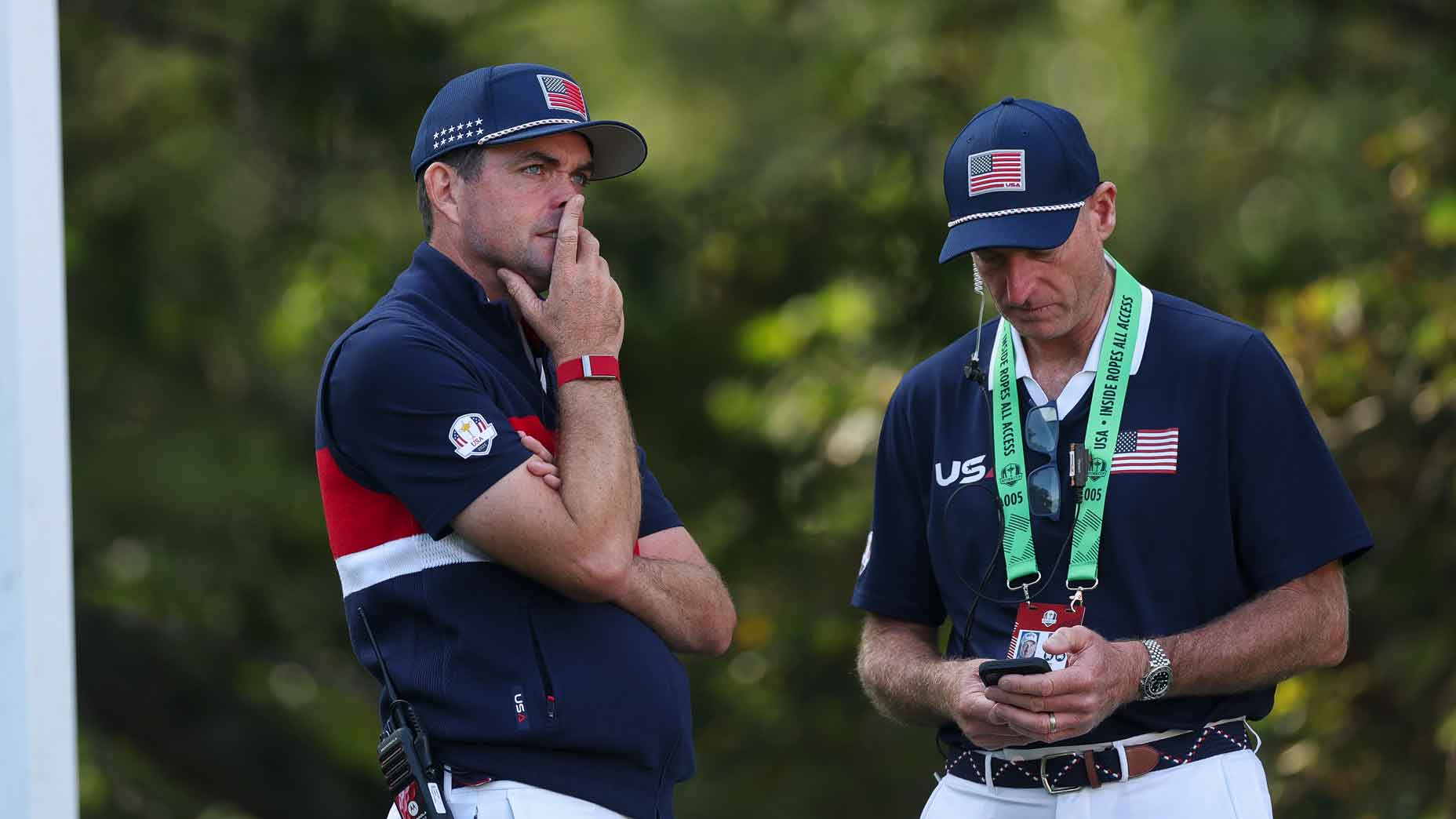
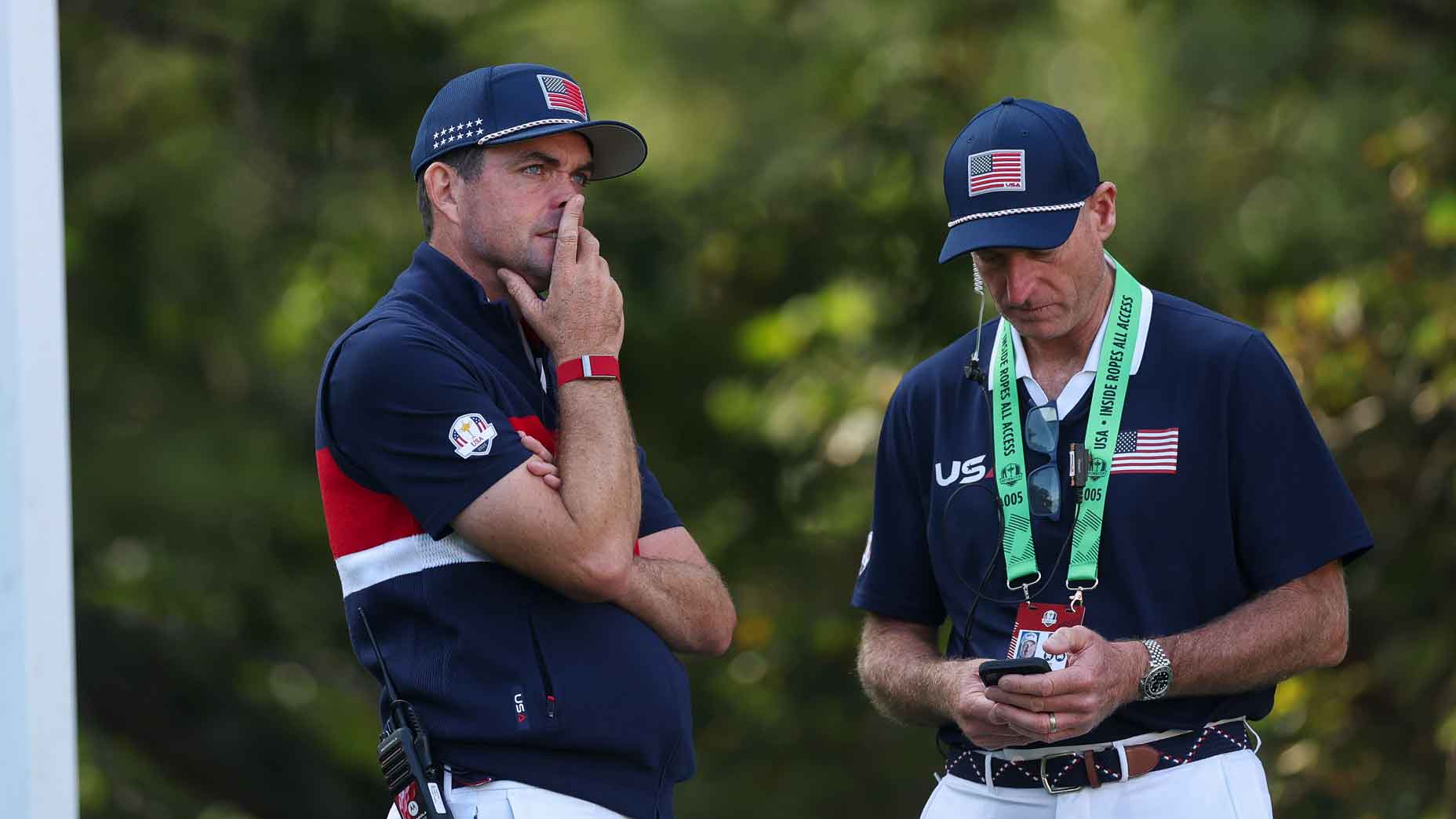
I was recently reading an interesting piece about Jim Furyk stepping into a new role as a lead analyst for Golf Channel. It got me thinking about the qualities that make truly exceptional golfers – qualities that translate beautifully from the competitive arena to the practice range, and even into new endeavors like broadcasting.
Think about Jim Furyk. A U.S. Open winner, a former Ryder Cup captain, and someone who has competed at the highest level for over three decades. This isn’t just about raw talent (though he certainly has that!). It’s about experience, consistency, and an incredible ability to navigate different challenges. He famously has a very unique, “looped” swing that many coaches would try to change, but he mastered it. What can we learn from his approach that we can apply to our own golf game?
The Power of Consistency: Your Golf Swing’s Best Friend
One of the first things I emphasize with my students, whether they’re trying to break 100 or pursue a professional career, is consistency. It’s not about hitting one perfect shot; it’s about repeatedly hitting good shots. Jim Furyk’s career is a testament to this, with his 17 PGA Tour victories and remarkable longevity. He built a swing that, while unconventional, produced consistent results for him.
What does consistency look like for you? It means minimizing variables. When your setup, your grip, and your rhythm are consistent, you take a lot of guesswork out of the equation. This allows your natural athletic ability to shine through.
“The 17-time PGA Tour winner may not have a preponderance of TV experience, but he does have a deep well of professional experience to lean on. He has competed as a pro for more than three decades…”
That “deep well of professional experience” isn’t just about playing; it’s about the countless hours of practice and refinement that built a consistent, repeatable action. You don’t need three decades, but you do need focused time.
Drill for Consistency: The “Pause and Check”
To build a more consistent swing, try this: Take your normal setup with a mid-iron. Instead of immediately swinging, make your backswing and pause at the top. Check three things: Is your front shoulder under your chin? Is your lead wrist flat (not cupped or bowed)? Do you feel a stretch in your trail side? Then, complete your swing. This drill helps engrain the correct positions, ensuring that your swing is building on a solid, repeatable foundation each time.
Embracing the Learning Process: A Golfer’s Mindset
Jim Furyk, even with all his experience, views his new broadcasting gig as a learning opportunity. He told the Associated Press:
“It’s probably on a trial basis, see how much I like it, get a feel for it. With any new endeavor, it’s a learning process. There’s a feel and flow for how the show is done. I’m focused on doing the best job for two weeks.”
This mindset is crucial for golfers of all levels. Golf is a continuous learning process. There will be good days and challenging days. Don’t let a bad shot or a tough round define your entire identity as a golfer. Instead, see each shot, each round, and each practice session as data points that offer valuable lessons.
When you’re out on the course, rather than getting frustrated by a missed putt, try to understand *why* it was missed. Was it alignment? Speed? Reading the break? This analytical yet encouraging approach is what helps you improve over time.
Drill for Mental Resilience: The “One-Shot Focus”
Next time you’re on the course, especially after a disappointing shot, commit to “one-shot focus.” Before your next shot, take an extra breath, visualize the shot you want to hit, and clear your mind of the previous error. As you address the ball, think only about the current shot. This helps you stay in the present moment, much like Furyk is “focused on doing the best job for two weeks” rather than worrying about the entire season.
The Value of Course Management and Strategic Play
Furyk’s success, particularly at courses like the Players Championship where he had five top-5 finishes despite not winning, including an out-of-nowhere 48-year-old runner-up finish in 2019, speaks volumes about his strategic intelligence. It’s not always about power; it’s about playing smart and knowing your game.
Many amateur golfers make the mistake of always going for the hero shot, even when the odds are stacked against them. Learning to calculate risks, play to your strengths, and manage your way around a course is just as important as your swing mechanics.
“…he enters the Players Championship with five top-5 finishes in the event, including two runner-up finishes, most recently as an out-of-nowhere 48-year-old in 2019.”
This kind of performance comes from a deep understanding of the course and a well-executed plan.
Drill for Course Management: “The Smart Scramble”
This drill requires you to be honest with yourself! Play a few holes where, if you miss the fairway, you are NOT allowed to go for the green if there’s any significant trouble (water, thick rough near a bunker, etc.). Your goal is always to get back into play safely, even if it means laying up. The objective is to make bogey at worst, eliminating the high-risk, high-reward approach that often leads to double bogeys or worse. This teaches you patience and encourages strategic thinking.
So, whether you’re working on a new swing move, trying a new short game technique, or simply approaching your next round with a fresh mindset, remember the lessons from top players like Jim Furyk. Embrace the learning process, strive for consistency, and play smart. Your game will thank you for it!
