

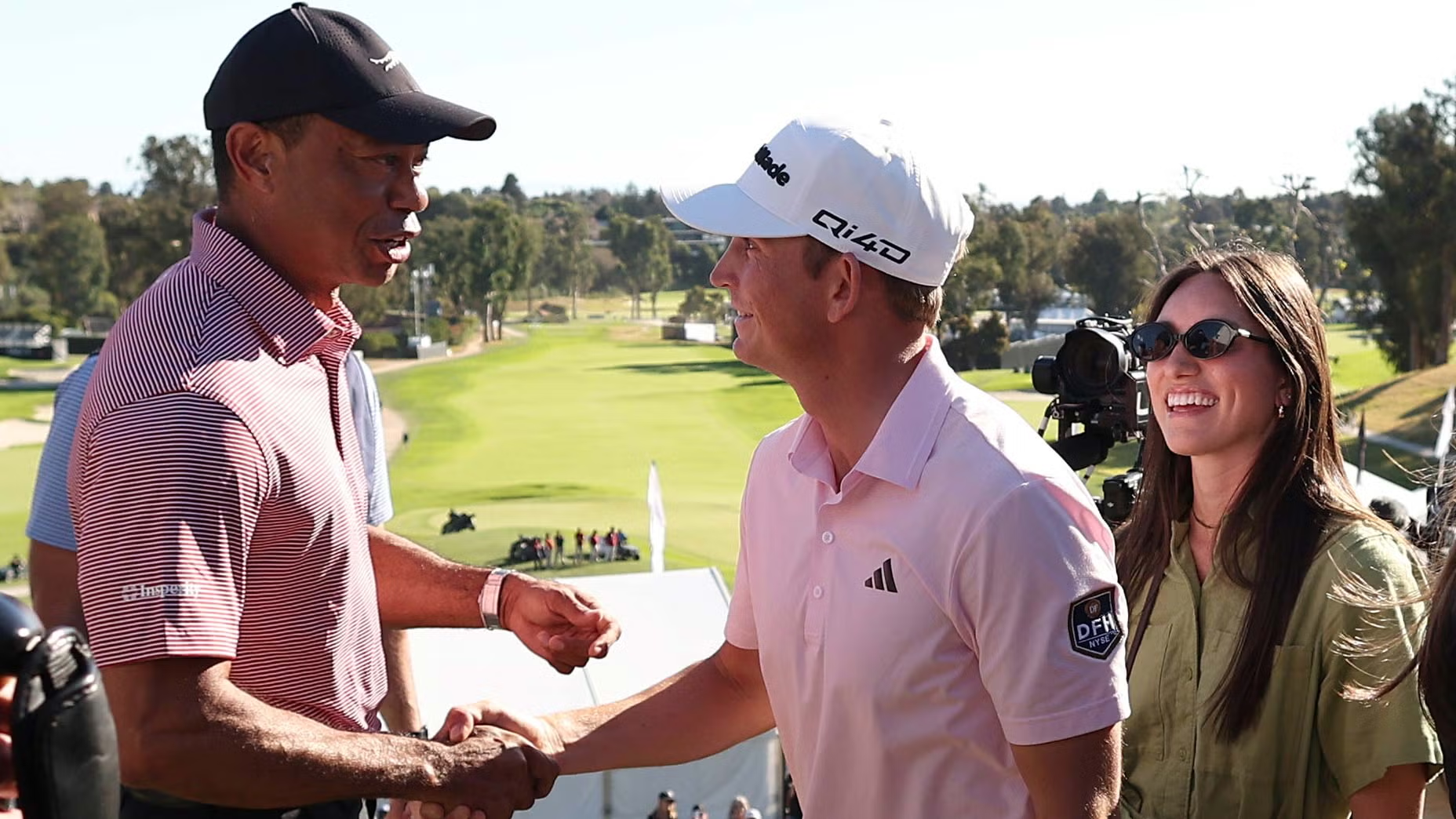

Hey there, Duffer Darlings! Alexis Morgan here, and let me tell you, sometimes the most nail-biting moments in golf aren’t the 300-yard drives, but those agonizingly short putts. You know the ones – the ones that look like a gimme until your heart starts doing the Riverdance in your chest. This past weekend at the Genesis Invitational was a masterclass in handling that very pressure, and it’s a lesson we can all carry, not just to the first tee, but into our everyday lives.
Jacob Bridgeman’s journey to his first PGA Tour win at Riviera was nothing short of cinematic. He started Sunday with a commanding six-shot lead, playing what felt like effortless, flawless golf for much of the week. But golf, much like life, has a way of throwing unexpected curveballs. What started as a comfortable stroll quickly became a sprint, then a tightrope walk as the pressure mounted. We saw him battle not just the course, but himself.
The Disappearing Hands & The Freight Train of Pressure
It’s a universal feeling, isn’t it? That moment when adrenaline surges, and suddenly your hands don’t quite feel like your own. For Jacob, it hit hard on the back nine. After a series of wobbles and a missed putt reducing his lead, he found himself utterly disoriented:
“I didn’t really feel really crazy nervous until I had a five-footer for bogey on 16; that one was sketchy… I couldn’t even feel my hands on the last couple greens, I just hit the putt hoping it would get somewhere near the hole.”
I mean, come on, that’s raw, real, and something every one of us who’s ever stood over a critical putt (or faced a big presentation, or had a tough conversation) can immediately relate to. The pressure, as the article so eloquently put it, “hits like a freight train.” It’s not a slow build; it’s an immediate, engulfing force.
What I find so fascinating here is the dichotomy. He’s losing feeling in his hands for the short game, for the delicate touch, yet for his full shots?
“I felt like I was just kind of in robot mode and autopilot, I could just swing the club and it would do exactly what it’s supposed to do,” he said. An envious feeling.
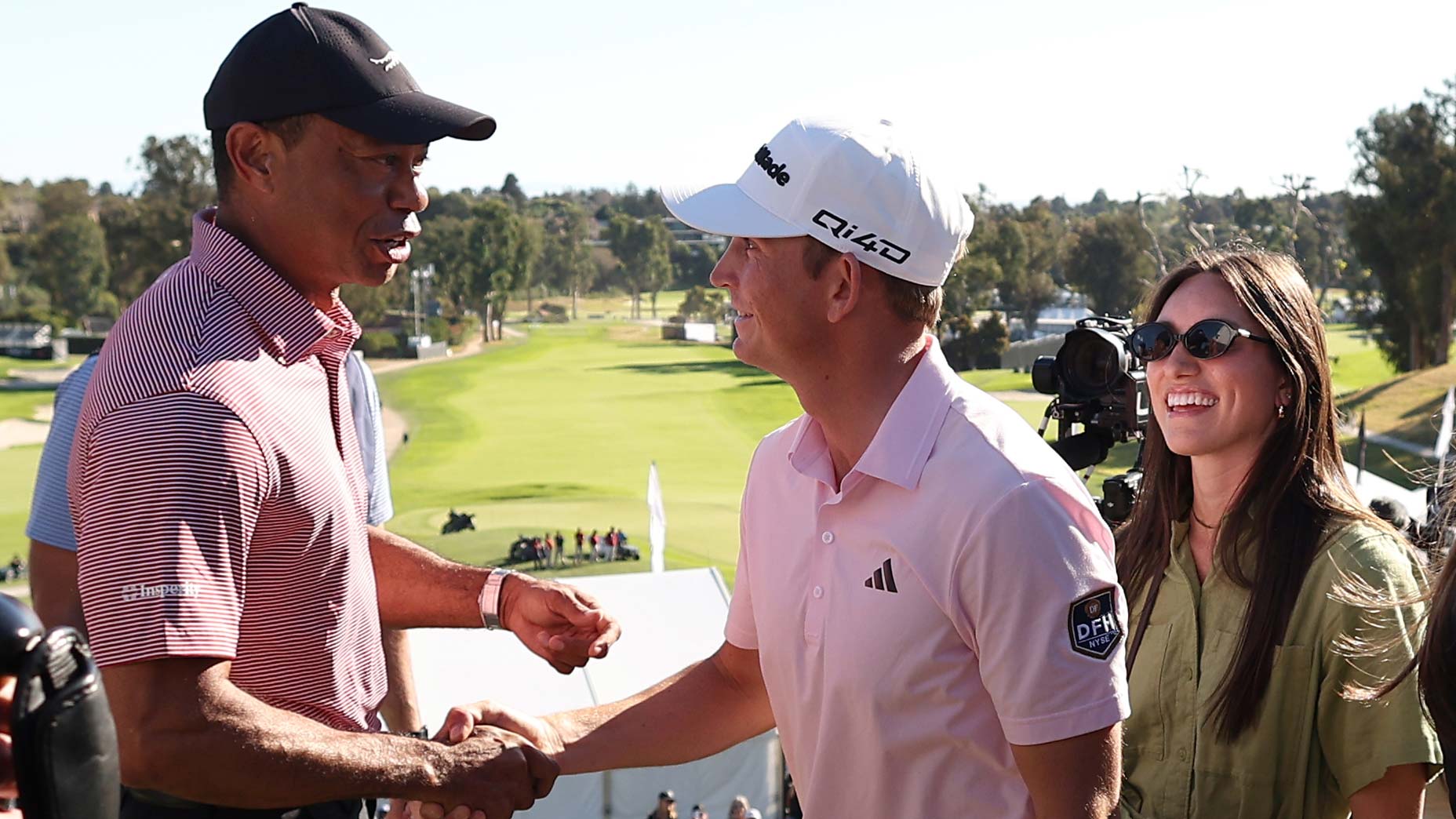
Robot mode and autopilot. It’s a testament to the power of ingrained practice, the muscle memory that takes over when conscious thought fails. For us everyday golfers, this is our cue to embrace practice beyond just hitting balls. It’s about building a consistent routine, a pre-shot ritual that becomes so ingrained that even when your hands are doing the invisible cha-cha, your body knows what to do.
The Wisdom of the “Scariest Putt”
The entire premise of the article revolves around that “scariest putt in golf” – the three-and-a-half footer. It’s short enough to expect, long enough to miss. This isn’t just about golf; it’s about those moments in life where the stakes feel astronomically high, even for something seemingly small. Whether it’s a critical email to send, a last-minute decision to make, or simply standing up for yourself, these “short putts” of life can feel debilitating.
Jacob’s path to victory culminated in one such moment on 18. After a towering approach, he left himself that dreaded putt for the win. The crowd sucked in a collective gasp. A miss would mean a playoff, and the potential for everything to unravel. As he stood over it, he recalled a conversation with a fellow Tour player who confessed to having no idea what he was doing on a winning putt because he couldn’t feel his hands. Jacob thought he was “kind of crazy” until that very moment:
“I thought he was kind of crazy until I got to this moment and then I was like, yep, I understand what you’re talking about now, Chris. I had no idea what to do.”
This vulnerability is what makes him so relatable. Even at the pinnacle of professional golf, the human element, the sheer nerve, is omnipresent. But here’s where the magic happened. Despite the shaking hands, despite “no idea what to do,” he had a read, a commitment to a process: “hit it at the middle of the middle.”
Actionable Takeaways for Your Life (and Game!)
So, what can we take from Jacob’s Riviera triumph and apply to our own golf game and lifestyle?
Embrace Routine & Practice: Jacob’s ability to go into “robot mode” for full shots under immense pressure didn’t happen overnight. It was built through countless hours of drilling. For your golf game, this means having a consistent pre-shot routine that you execute every time, whether it’s a practice round or a critical moment. Off the course, consider how you approach stressful tasks. Can you create a repeatable routine that helps you perform even when nerves hit?
Acknowledge the Nerves, Then Lean into Your Process: Jacob fully admitted feeling nervous, even losing sensation in his hands. But what did he do? He relied on his read, his “middle of the middle” approach. When facing your own “scariest putts” in life, acknowledge the fear, but then consciously bring yourself back to the task at hand. What are the fundamentals you know? Focus on those.
Community and Support are Key: Don’t forget the beautiful human connections Jacob nurtured. His swing coach, Scott Hamilton, helped him transform his game. His caddie, G.W. Cable, took a gamble on him. These relationships weren’t just professional; they were foundational. Who are the people in your life who support your aspirations, who “gamble” on you? Cultivate those connections. They’re invaluable for navigating pressure and celebrating triumphs.
Perspective is Everything: While Bridgeman was battling, others were making their move. Kurt Kitayama posted 17 under, Adam Scott surged with 8 birdies and no bogeys. This relentless competition is a reminder that while you’re focused on your own “three-and-a-half-footer,” the world keeps spinning and others are also performing their best. This isn’t to add more pressure, but to encourage a focus on what *you* can control, and to appreciate the broader context of everyone striving their best.
Jacob Bridgeman’s win was a powerful reminder that golf is a microcosm of life itself. It demands skill, resilience, and an unwavering belief in oneself, even when your hands feel like they belong to someone else. As he stepped away from the 18th green, trophy in hand, he summed it up perfectly: “This is way, way better than I’ve ever dreamt it.” And that, my friends, is the dream we’re all chasing, on and off the course.
