


The Dynamic Evolution of Player-Caddie Relationships in Professional Golf
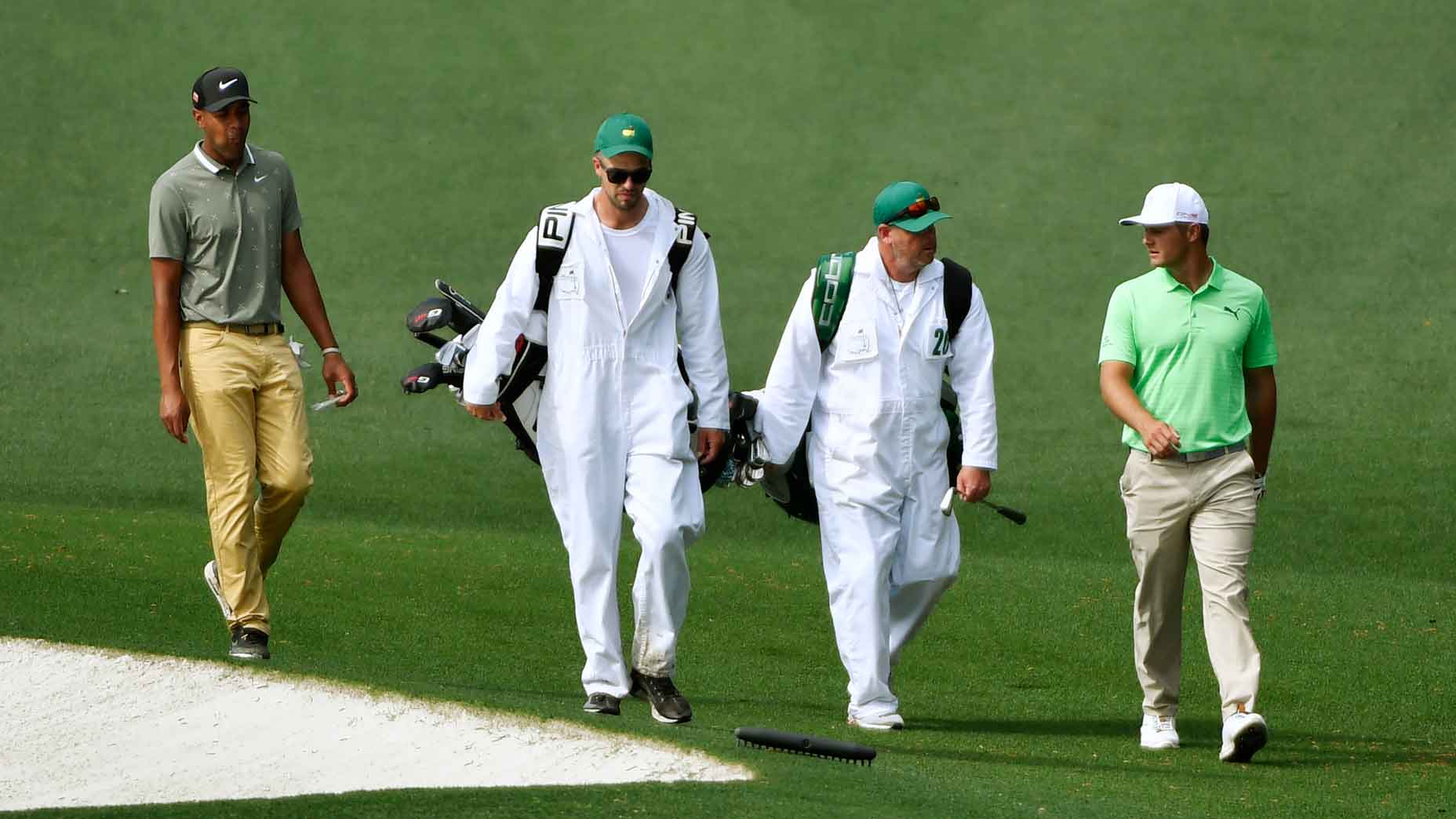
In the world of professional golf, the bond between players and their caddies is as intricate as the game itself. A notable example is the pairing of Bryson DeChambeau and Tony Finau during the 2019 Presidents Cup at Royal Melbourne. Debuting in vibrant red sweaters, they embarked on what many saw as an explosive partnership. Both players had their trusted caddies by their side: Greg Bodine, loyal to Finau since his rookie year, and Tim Tucker, a key figure in DeChambeau’s journey to numerous victories, including his U.S. Open triumph the subsequent year. However, the landscape of golf can shift dramatically, reflecting the sport’s dynamic nature.
Fast forward to the summer of 2023, and DeChambeau and Finau found themselves in a unique twist of fate. After parting ways with their long-time caddies—Finau with Bodine in 2020 and DeChambeau with Tucker in 2021—DeChambeau decided to hire Bodine again, while Finau brought in Tucker as the missing piece to his team. This swap illustrates not just individual choices but also a broader trend within the sport where player-caddie partnerships are constantly evolving.
The recent era of professional golf has seen an uptick in significant player-caddie changes, with names like Matt Fitzpatrick and Billy Foster making headlines earlier in 2023. After a successful collaboration that included a U.S. Open win, Fitzpatrick and Foster surprisingly parted ways post-Players Championship, illustrating that even winning teams sometimes feel the pressure to reevaluate. The emotional impact of such decisions cannot be understated, particularly in a sport where relationships simmer beneath the surface.
Further emphasizing this trend, Max Homa and his caddie Joe Greiner ended their partnership shortly before the Masters. Homa’s attempts to navigate the caddie carousel involved a series of temporary arrangements before ultimately finding stability with Lance Bennett. Each of these changes highlights a critical aspect of professional golfing: the necessity of finding the right partnership for success, often leading to abrupt transitions.
When examining Collin Morikawa’s caddie situation, the intricacies of these relationships become even more evident. After parting ways with J.J. Jakovac, who had been instrumental in his success throughout two major victories, Morikawa took a calculated risk by hiring Greiner, creating a complex network of temporary partnerships and strategic shifts that reverberate through the tour.
A particularly poignant moment in recent golfing history came from the split of beloved player Joel Dahmen and his caddie Geno Bonnalie. Having forged a close friendship over the years, their emotional breakup following a challenging stretch of missed cuts resonated deeply with fans, underscoring that the stakes extend far beyond just competitive performance.
The technology of modern golf can also influence these partnerships, as shown in the case of Joaquin Niemann. After a disheartening performance leading to consecutive missed cuts, Niemann opted to part ways with his coach-caddie, seeking to redefine his game and reclaim his successful trajectory witnessed during his early days on the tour. His journey serves as a reminder that the mental and emotional aspects of the game hold immense weight.
In April, the caddie carousel continued revolving with Justin Thomas temporarily enlisting Greiner due to his caddy’s personal matters. Each shift reveals the unpredictable nature of the profession, a world where established relationships can change with lightning speed, driven by the unique pressures of professional golf.
The ongoing saga of caddie changes reflects not just individual player strategies but a systemic evolution within professional golf. Morikawa’s acquisition of ex-caddie Urbanek encapsulates the web of connections created and severed across the sport, showcasing how success often breeds further exploration and reevaluation of partnerships.
Navigating the world of caddying is fraught with complexities. The reality is that caddies and players share an unbreakable bond yet must work within an environment where performance defines futures. The need to remain adaptable, seek new insights, and sometimes make hard decisions adds layers to their relationship.
As the 2023 season unfolds, we will undoubtedly witness more player-caddie changes. Golf remains an intimate sport, where each swing, putt, and decision on the course is mirrored by the partnership between player and caddie— a pivotal relationship that can shape the successes and challenges faced in the demanding world of professional golf.
Conclusion
In summary, the ever-evolving dynamics of player-caddie relationships offer a fascinating glimpse into the complexities of professional golf. As new partnerships form and others dissolve, these shifts not only affect the players’ careers but also contribute to the broader narrative of the sport itself. Whether through triumphs or setbacks, each caddie transition provides valuable lessons on trust, teamwork, and the importance of finding the right support system in a challenging landscape. The quest for the optimal partnership is one of the many facets that makes the world of golf endlessly captivating.
