


As the Equipment Editor for The Daily Duffer, I spend my days sifting through an endless stream of golf gear, separating the wheat from the chaff. I’ve logged countless hours on launch monitors, dissected clubheads, and fitted hundreds of golfers, always with one goal in mind: helping you make informed decisions that genuinely improve your game. So, when data drops that combines both performance testing and retail popularity, my ears perk up. It’s a rare intersection where you can see if what *actually works* is what people are *actually buying*.
The recent findings regarding 2026 blade putters are a fascinating case study in just that. We’re looking at a blend of rigorous PuttView testing data, which quantifies performance across short, medium, and long putts, alongside real-world sales figures from PGA TOUR Superstore. This isn’t just about reviewing a club; it’s about understanding the golf equipment ecosystem.
The Sweet Spot: Where Data Meets Demand
It’s always satisfying when the data validates popular opinion, and in the blade putter category, a few brands are clearly hitting that sweet spot. PING stands out as a prime example.
“PING is the clearest example of golfers getting it right. Multiple Scottsdale models finished near the top of our test and delivered strong performance across all distances. The Anser-style shapes that dominate retail shelves are the same ones producing some of the best results in testing.”
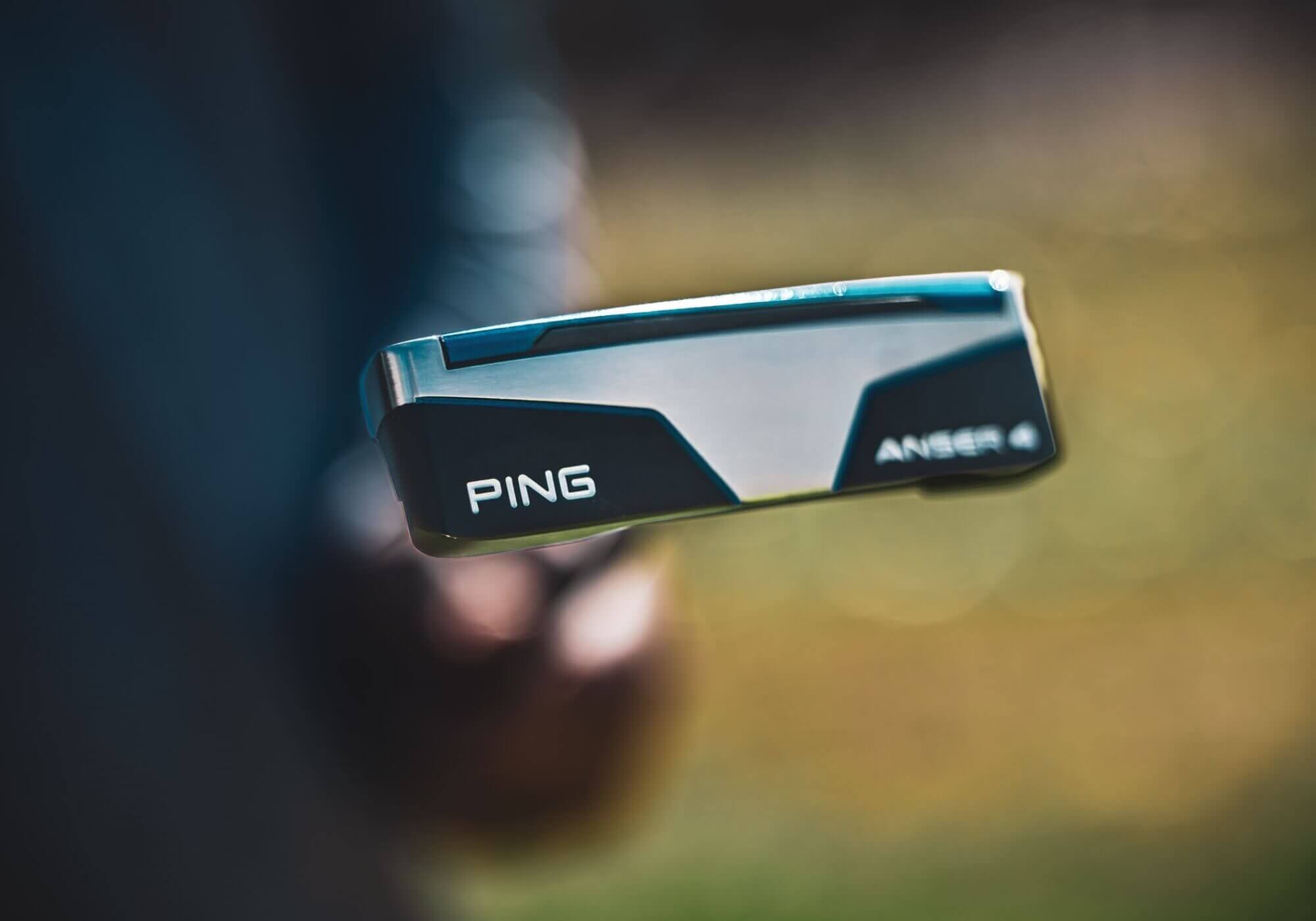
This resonates with everything I’ve seen in my fitting bay. PING’s Anser-style putters, like the Scottsdale Anser 4 (-4.5 PuttView Handicap) and Anser 2D (-4.3 PuttView Handicap) in the tests, have consistently offered a blend of classic aesthetics and rock-solid stability. Their perimeter weighting, typically achieved through strategically placed mass, helps boost MOI (Moment of Inertia) for a blade, making them remarkably forgiving on off-center strikes. This translates directly to tighter dispersion on the green, especially on those crucial medium-range putts where a slight miss can turn a birdie chance into a three-putt.
| Category | Models |
|---|---|
| Best Sellers (PGA TOUR Superstore) | PING Anser 2, PING PLD Milled, PING Scottsdale |
| Top Performers (2026 MGS Test) | Scottsdale Anser 4 (-4.5), Scottsdale Anser 2D (-4.3) |
COBRA is another brand where innovation is clearly paying off. Their 3D-printed lineup isn’t just a marketing gimmick; it’s genuinely delivering performance. The LIMIT3D Pista-60, a retail best-seller, shares its design philosophy with the 3DP Tour Grandsport, a strong performer at -3.7. The beauty of 3D printing in putters lies in the ability to create incredibly complex internal structures that optimize weight distribution in ways traditional milling or casting cannot. This allows for higher MOI in a compact head, meaning more consistent roll and distance control even when you don’t hit the sweet spot dead center. I’ve been impressed by the feel and stability of these models during my testing; they don’t *feel* like a blade in the conventional sense, offering a more mallet-like stability for many golfers.
| Category | Models | Key Insight |
|---|---|---|
| Best Seller (PGATSS) | LIMIT3D Pista-60 | 3D-printed design driving retail interest |
| Top Performers (2026 Test) | 3DP Tour Grandsport (-3.7), MIM Sport (-2.7) | 3D-printed model delivers strongest results |
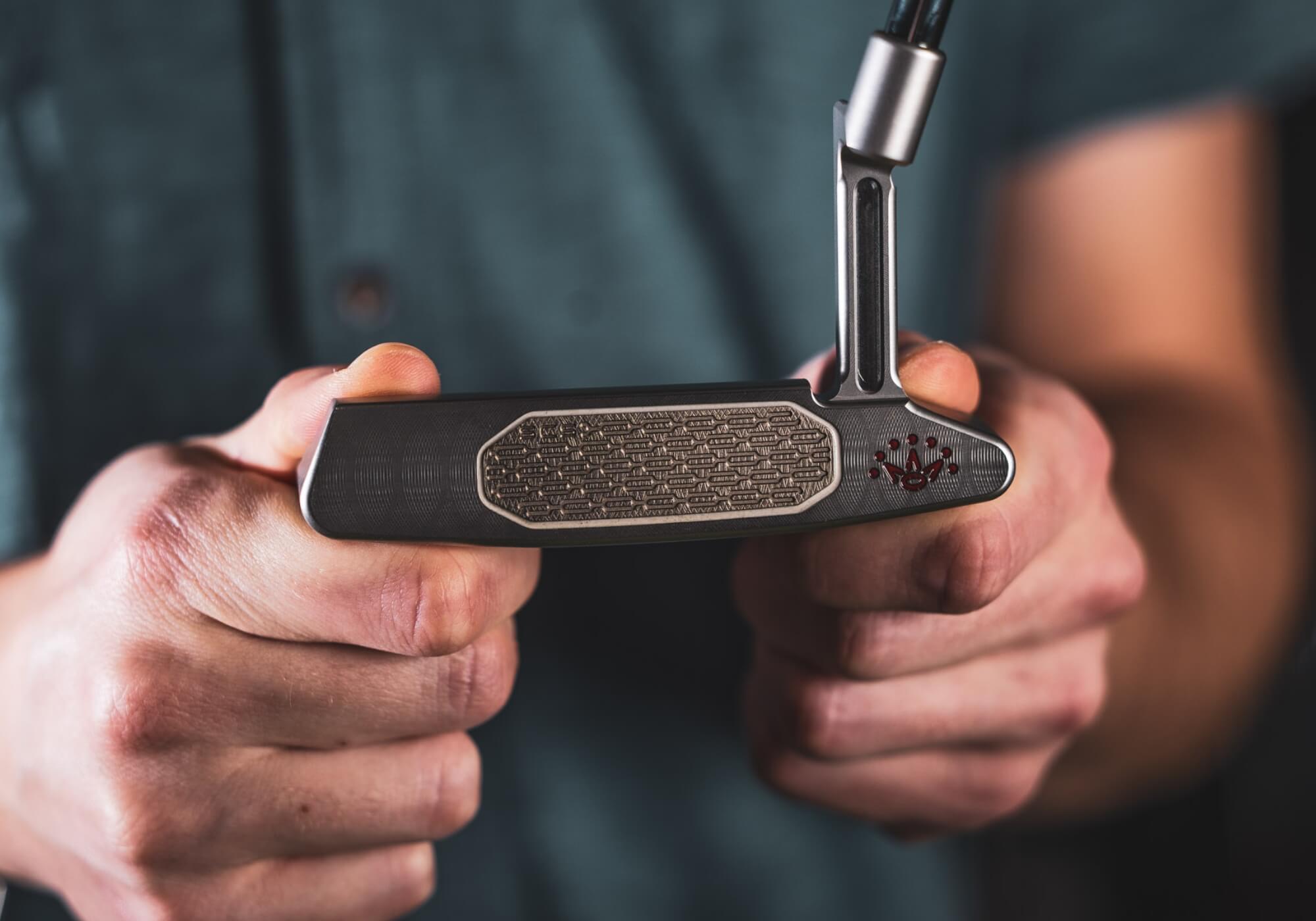
And then there’s Scotty Cameron. Love ’em or hate ’em, the brand consistently performs. The Newport family, specifically the Super Select Newport 2 (-3.3) and Newport (-2.9), continue to uphold their reputation. What I see with Scotty Cameron, beyond the undeniable craftsmanship, is a consistency in feel and roll that many golfers gravitate towards. While they might not always be the absolute statistically “best,” their predictable performance and premium feel inspire confidence, which is a massive, albeit intangible, factor in putting performance. The Newport 2’s consistent profile across distances, particularly its strong showing on long putts at -6.4, suggests a well-balanced head design that maintains ball speed effectively even on longer strokes.
| Category | Models | Key Insight |
|---|---|---|
| Best Seller (PGATSS) | Titleist Studio Style (Newport family) | Premium blade lineup dominating retail |
| Top Performers (2026 Test) | Scotty Cameron Super Select Newport 2 (-3.3), Newport (-2.9) | Upper-tier performance with consistent results |
The Disconnect: Popularity vs. Performance
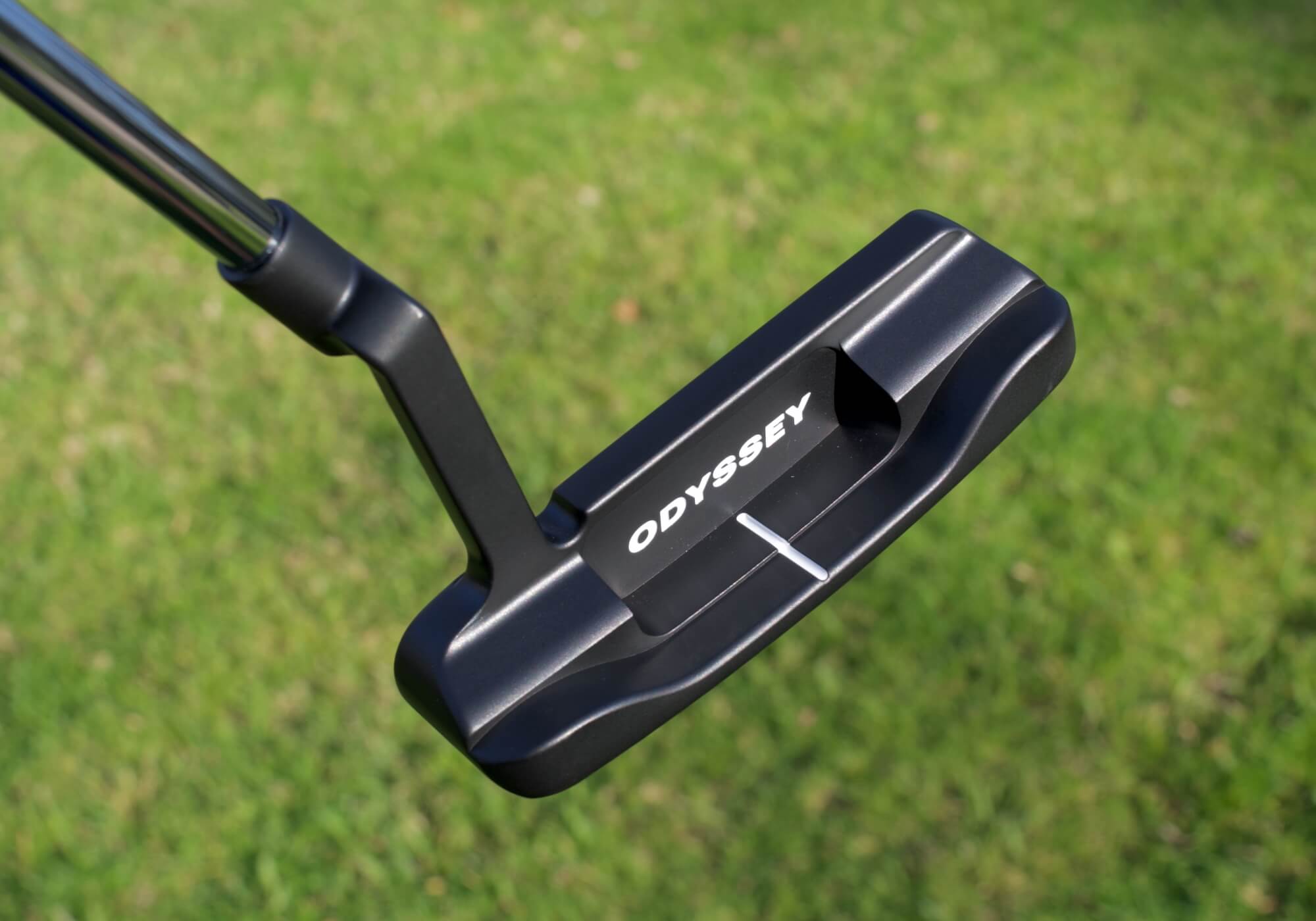
Here’s where things get interesting, and frankly, a little concerning. Odyssey, a behemoth in the putter market, is consistently a top-seller at PGA TOUR Superstore. However, their performance in the 2026 blade putter test puts them squarely in the bottom half of the field.
“We tested the Odyssey AI-Dual DW and AI-Dual #1, both of which finished at -2.3 Overall PuttView Handicap. The biggest issue showed up in medium putts where performance dropped off significantly—most notably with the DW at +6.4. That inconsistency across distances made it difficult for Odyssey to keep up with the top-performing brands…”
This is a classic case of marketing prowess outweighing tangible performance gains, at least in this specific test’s parameters. While Odyssey undoubtedly makes excellent putters, and their AI-enhanced designs are innovative, the data suggests that for these particular blade models, the consistency wasn’t there across all distances, especially on medium putts. For a fitter like me, this immediately flags a potential issue: if a putter struggles on medium putts, it often points to insufficient forgiveness or uneven energy transfer across the face. A player might love the feel on short putts, but once you need precise distance control from 10-20 feet, any inconsistencies become amplified. It’s not to say Odyssey blades are ‘bad,’ but the data indicates other brands offered a more robust, consistent performance profile.
The Unsung Hero: Performance Without the Pedigree
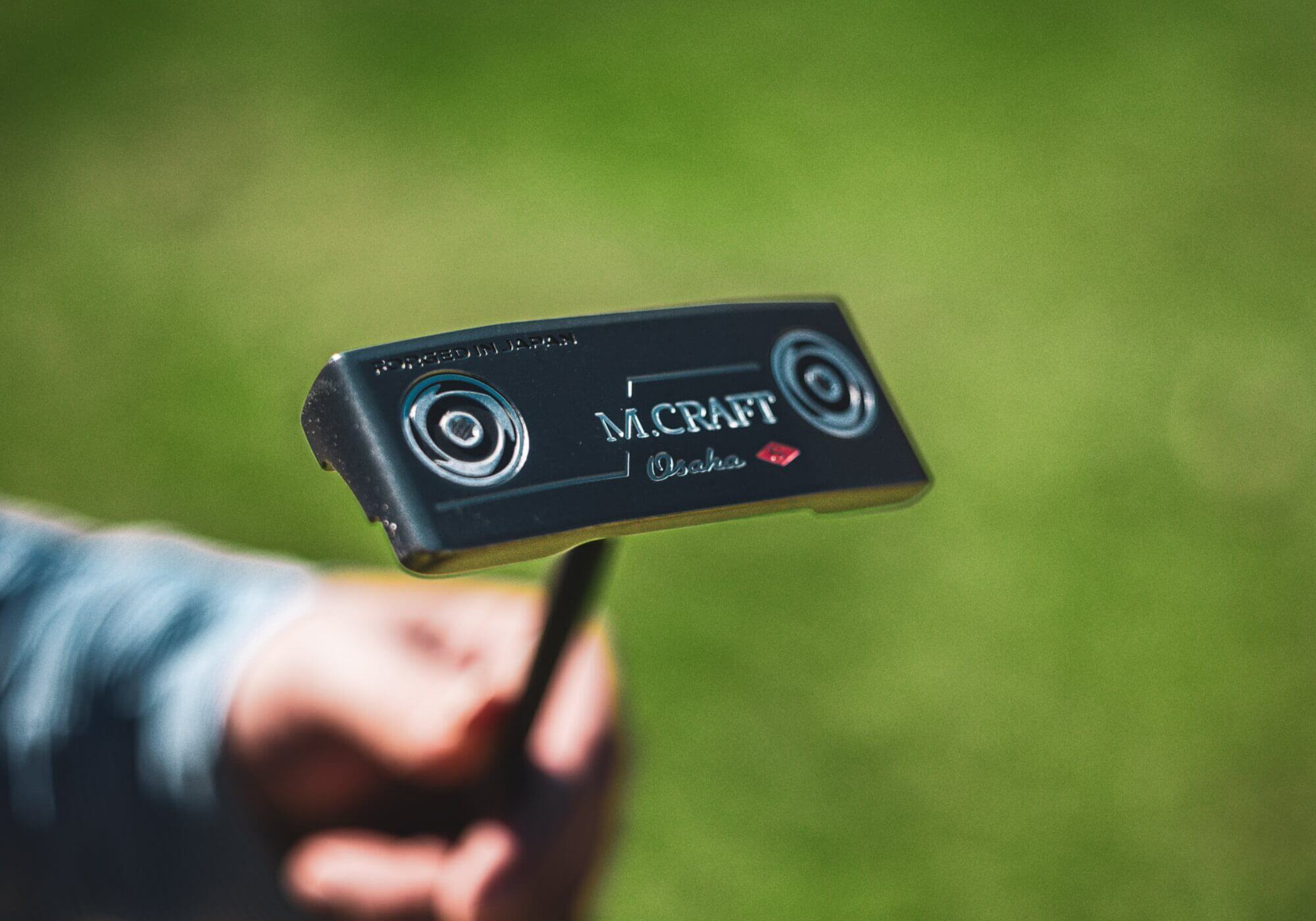
Every now and then, a dark horse emerges, and in this test, it’s Mizuno. Their M.Craft Osaka didn’t just perform well; it dominated.
“The M.Craft Osaka separated itself from the field with a -5.5 Overall PuttView Handicap, the best result in the entire test. It delivered elite performance on short putts (-6.5) and long putts (-7.4), something very few putters in this field were able to do.”
A -5.5 Overall PuttView Handicap is legitimately impressive. The fact that it excelled on both short and long putts tells me this putter has exceptional roll characteristics and excellent forgiveness. Elite performance on long putts (-7.4) is particularly noteworthy, as this often indicates a very stable head and a face technology that minimizes skid and gets the ball rolling quickly and consistently. In my experience, a putter that performs well on long putts is often one that provides a very ‘true’ roll, which is what every golfer is chasing. It’s an underdog story in a market often dominated by a few big names. If you’re a golfer looking for verifiable performance at potentially a more accessible price point than some of the premium options, the Mizuno M.Craft Osaka absolutely deserves a spot on your “must-try” list.
Tyler’s Take: Practical Advice for Your Putter Hunt
So, what does all this mean for you, the golfer looking for a new blade putter in 2026? First, trust the data. Popularity is not always synonymous with performance, and Odyssey’s position in this report is a stark reminder of that. While brand loyalty is powerful, your handicap doesn’t care about the logo on your putter.
If you’re already leaning towards a PING or Scotty Cameron, the data largely supports your instinct. These brands offer proven performance that aligns with their popularity. For those intrigued by cutting-edge engineering, COBRA’s 3D-printed offerings are validated performers worth exploring, especially if you appreciate a modern aesthetic with tangible stability benefits.
However, the real takeaway for the savvy golfer is to keep an open mind for brands like Mizuno. Their M.Craft Osaka showcases that exceptional performance isn’t exclusively tied to the biggest marketing budgets. This putter, for example, would be an excellent choice for a wide range of handicaps, particularly those who struggle with consistent speed control on longer putts or feel like blades are too unforgiving. Its elite performance across distances suggests a high MOI for its category and a well-engineered face. Always remember that a proper fitting will quantify how any putter performs specifically for your stroke, but this data gives you an incredibly strong starting point.
Ultimately, the goal is to hole more putts, not just buy the most popular putter. Use data like this to inform your choices, but always get it on a green and, ideally, a launch monitor to verify how it performs for *you*. PGA TOUR Superstore’s Players Club Plus, with its free annual putter fitting, is an excellent resource for this very reason. It allows you to put these data points to a personal test, ensuring your next blade putter truly helps you shave strokes off your game.
The post Do The Best-Selling Putters Match The Best Performers? We Have the Data appeared first on MyGolfSpy.
