


As a lifestyle editor, I’m always fascinated by the human element in sports, especially golf. We often focus on the perfect swing or the winning putt, but what truly captivates me is the psychology, the emotion, and the personal battles players face—and how that translates to our own games, no matter our handicap. This past week at the Genesis Invitational offered a brilliant, albeit somewhat frustrating, example of this with the infamous No. 10 at Riviera. It’s a hole that has players like Rory McIlroy saying it “stinks” and Jon Rahm calling it his “favorite,” all in the same breath. It’s a microcosm of the love-hate relationship we all have with golf, isn’t it?
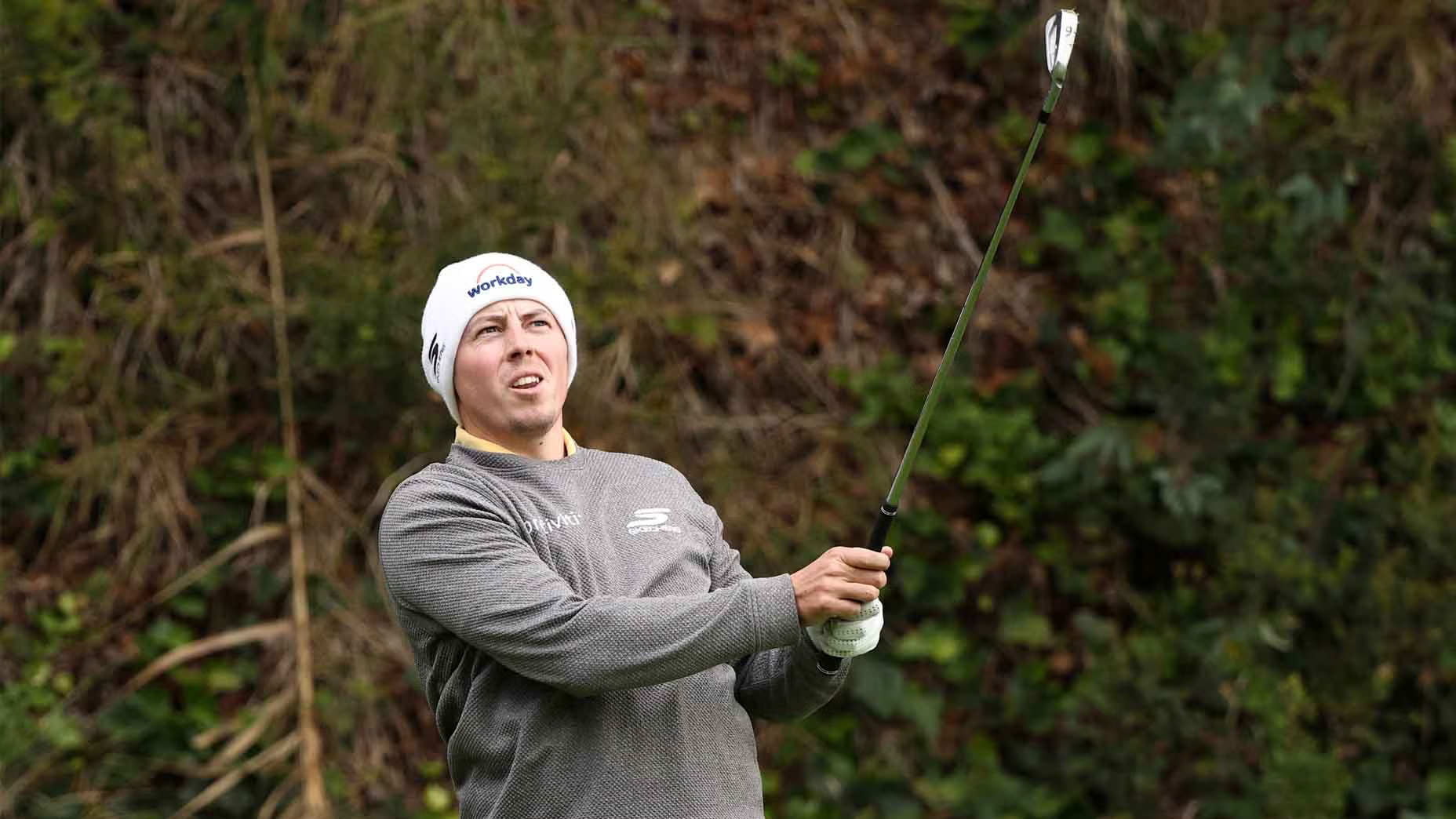
The latest star to weigh in on this complex par-4 was Matthew Fitzpatrick, the 2022 U.S. Open champion. After a smooth par on Thursday with a back-right pin, Friday brought a different beast. The pin was tucked in the middle, just three paces from the left edge. Fitzpatrick found himself in a pickle after an errant tee shot, leading to a truly telling moment about the mental game of golf.
Here’s what happened: Fitzpatrick, after conferring with his caddie, tried to play it safe, aiming for a collection area to set up an up-and-down for par. But the golf gods, or perhaps the diabolical design of No. 10, had other plans. He ended up in a greenside bunker, then blasted over the green, eventually tapping in for bogey. While he still fired an impressive 66, that one bogey clearly left a mark.
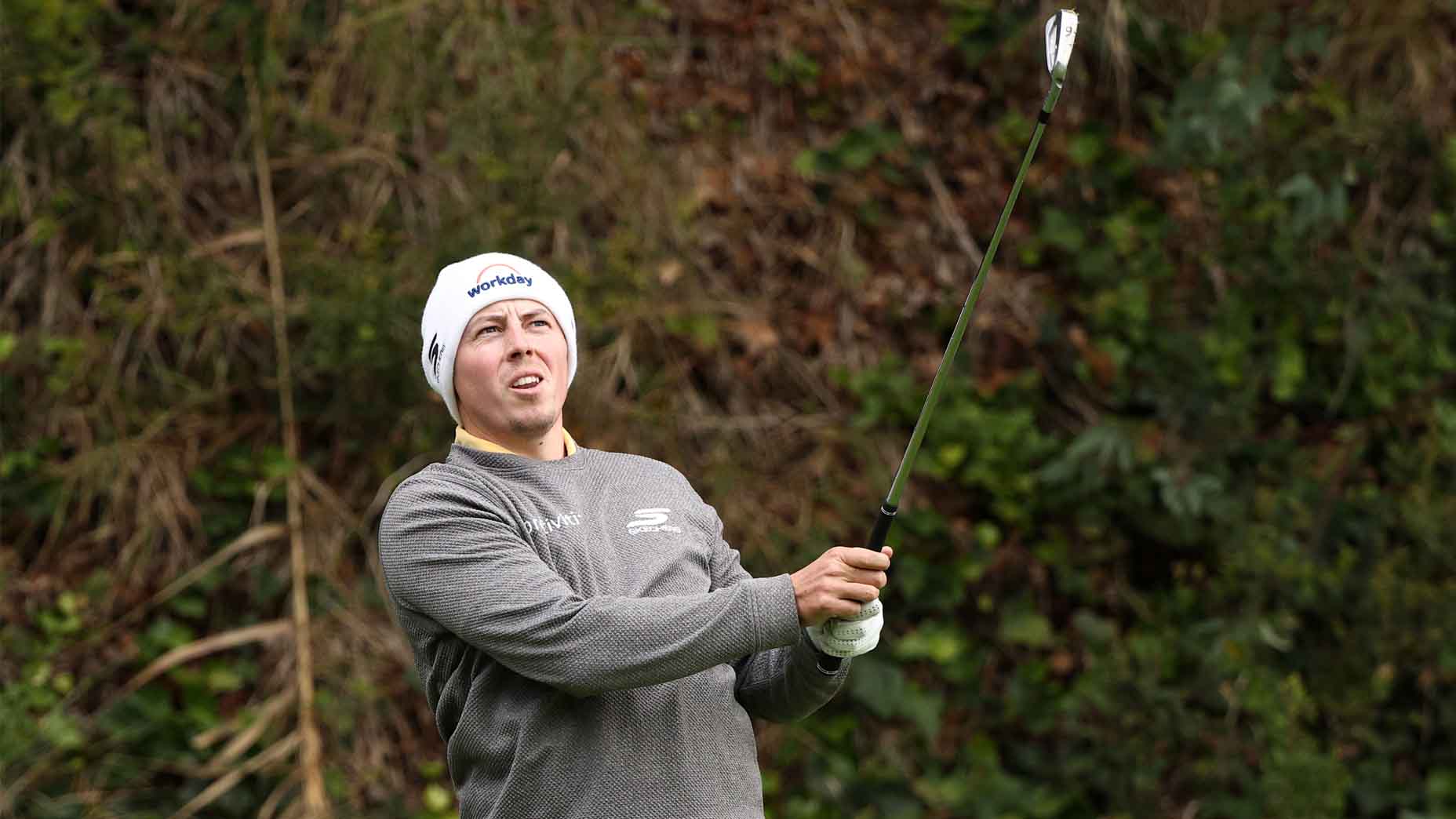
After his round, Fitzpatrick’s frustration was palpable, echoing feelings many of us have had on the course.
“It was a great round. Felt like I played really solid. Just bogey on 10, the world’s most impossible golf hole. I’ll leave it there.”
He continued, clearly still stewing:
“I don’t really want to talk about it too much, I’ll just get wound up. But it’s hit and hope, let’s leave it at that.”
The Universal Language of Golf Frustration
What I find fascinating about Fitzpatrick’s reaction is how relatable it is. We’ve all been there, haven’t we? That one hole, that one shot, that one situation that just gets under your skin. It doesn’t matter if you’re a major champion or a weekend warrior; golf has a way of testing your patience and your perspective.
Fitzpatrick’s sentiment of “hit and hope” speaks volumes. It’s about being in a situation where skill feels almost irrelevant, and you’re reduced to sheer luck. And when he and his playing partners, Aaron Rai and Garrick Higgo, all made bogey on the same hole, his deadpan comment was pure Goldbergian humor:
“We all made bogey. I said, ‘great bogeys, guys,'”. “I got a laugh out of everyone, which was good.”
This shared misery, this ability to find humor in a tough situation, is a core part of the golf lifestyle. It’s about camaraderie, about knowing that even the best in the world grapple with the same frustrations we do.
What This Means for Your Game (and Your Life)
So, how does Matthew Fitzpatrick’s Riviera saga translate into actionable takeaways for your everyday golfing life? It’s about more than just technique; it’s about mental fortitude and embracing the challenges.
- Accept the “Unfair” Hole: Fitzpatrick stated, “I just don’t think it’s a fair golf hole.” We all have those holes on our local courses that feel unfair, ridiculously designed, or just plain unlucky. Instead of letting them derail your round for good, acknowledge the frustration, then actively, consciously, let it go. It’s a mental exercise that extends beyond golf – handling unfair situations with grace, even when it’s tough.
- Embrace the Shared Experience: That moment of shared laughter after three bogeys? That’s the essence of golf camaraderie. Don’t stew in your own frustration. Share it with your playing partners. A little commiseration can lighten the mood and strengthen your bonds, making the entire experience more enjoyable, regardless of the score.
- Focus on the Bigger Picture: Despite the bogey on 10, Fitzpatrick still shot a five-under 66. One bad hole didn’t define his entire round. In golf, as in life, it’s easy to let a single setback overshadow all the good. Learn to compartmentalize. Acknowledge the mistake, analyze if you could have done something differently, and then move on to the next shot, the next task, the next moment.
- “Hit and Hope” vs. Strategic Play: While Fitzpatrick used “hit and hope” to describe his frustration, it highlights the importance of course management. Even on the trickiest holes, having a clear strategy for your misses can save strokes. Understand your “bail-out” areas. Sometimes, the smart play isn’t to go for the hero shot, but to secure a respectable bogey. This disciplined approach can drastically improve your overall game.
It’s clear that No. 10 at Riviera is more than just a golf hole; it’s a character in its own right, pushing the limits of even the most composed players. And witnessing their reactions, their frustrations, and their eventual ability to move past it, reminds us that golf is a profound teacher of life’s lessons. It’s about balancing aspiration with realism, individual struggle with shared experience, and ultimately, embracing the beautiful, maddening game that is golf, one challenging hole at a time.
“>
