


As Lifestyle Editor for The Daily Duffer, I’m always looking for ways to demystify the golf world, to peel back the layers and reveal how every aspect of the game, from your swing to your shoes, intertwines with our daily lives. And trust me, when it comes to wedges, I’ve heard my fair share of frustrations and triumphs. It’s not just about the numbers; it’s about how that club feels in your hands, how it performs under pressure, and ultimately, how it helps you find that elusive flow on the course.
You know that feeling when everything just clicks? When you hit that perfect chip shot that dances around the pin and drops? That’s what we’re chasing. And often, the missing piece isn’t your swing, it’s simply the wrong tool for the job. This week, I dove into a fascinating conversation from GOLF’s Fully Equipped podcast, and it truly highlighted something I’ve long suspected: our relationship with our equipment is far more personal than we give it credit for.
Beyond the Bounce: The Personal Journey to the Perfect Wedge
For years, golfers have been taught to focus on the ‘bounce’ number when selecting wedges. Low bounce for tight lies, high bounce for softer conditions. It sounds logical, right? But as Johnny Wunder and Jake Morrow point out, that number might be telling us only part of the story, and sometimes, a misleading one at that. It’s like trying to judge a restaurant by its Yelp star rating without ever tasting the food—you might be missing out on a hidden gem that perfectly suits your palate.
“On this week’s episode of GOLF’s Fully Equipped, co-hosts Johnny Wunder and Jake Morrow talked about why focusing on the bounce number doesn’t really give you a good picture of what a wedge will do for you.”
Jake Morrow shared a particularly enlightening anecdote that resonated with me. He described a scenario many of us can relate to: standing on a bone-dry range with a low-bounce wedge, thinking it was the perfect fit for the tight lie. But for his steeper swing, it was a disaster.
“Well, the problem is for me as a steeper player, it just turns into a knife and then it doesn’t come out of the ground. That’s the issue.”
Sound familiar? How many times have we tried to force a ‘textbook’ solution onto our unique style? The golf swing is as individual as a fingerprint, and our equipment should reflect that individuality. Morrow’s revelation came when he swapped out the ‘appropriate’ low-bounce wedge for a high-bounce X grind, and suddenly:
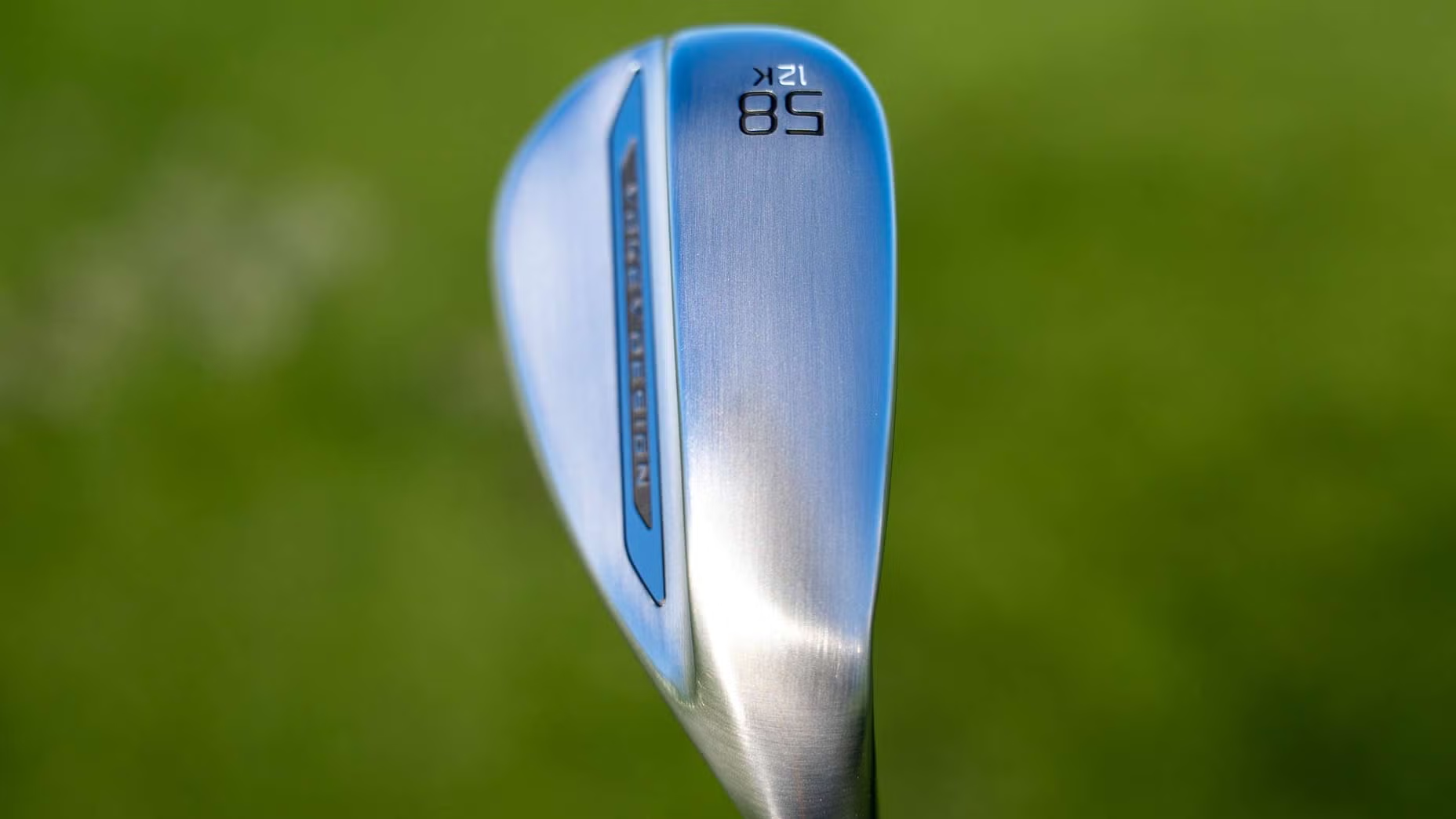
“And so I go, and I start hitting these like 20-yard pitches with the 12-degree X grind, which is probably the highest they have and I feel like an absolute god.”
That right there is the essence of lifestyle golf – finding what makes you ‘feel like an absolute god’ on the course. It’s about confidence, joy, and that incredible sensation of playing your best, regardless of what the numbers on paper might suggest. It’s a testament to listening to your body, your swing, and your intuition.
The Blind Test: A Lesson in Trusting Your Feel
This discussion led to a powerful recommendation: blind testing. Morrow suggests that manufacturers might even consider removing the bounce number entirely, focusing instead on the sole’s shape and grind. It’s a bold idea, but one that makes perfect sense from a human perspective. We often let preconceived notions or marketing buzz influence our choices, even when our hands and eyes are telling us something different.
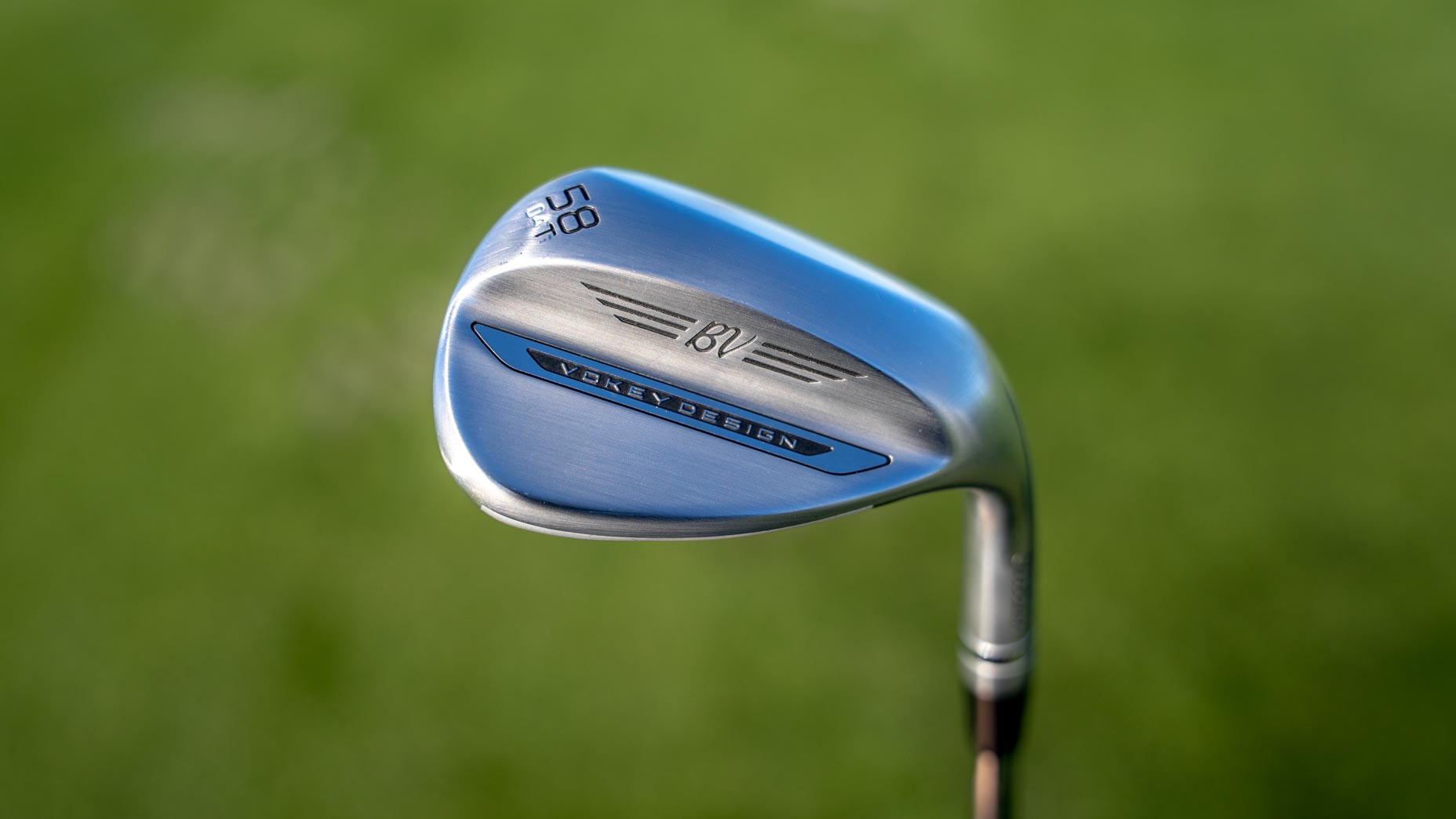
Think about it. How many times have you walked into a clothing store and dismissed an outfit because of the size tag, only to try it on and realize it fits perfectly? Golf clubs are no different. Titleist, with its Vokey wedge lineup, already employs a similar philosophy, encouraging pros and amateurs alike to choose based on feel and performance, not just specs.
Your Actionable Takeaway: The ‘Feel-Good’ Fitting
So, what does this mean for your golf life? It means empowering yourself to make choices that truly serve *your* game, not just the prevailing wisdom. Here’s how you can apply this “feel-good” fitting philosophy:
- Embrace Experimentation: Don’t be afraid to try different grinds and bounces, even if they seem counterintuitive to what you’ve “learned.” Your swing is uniquely yours, and what works for a tour pro with a perfectly flat lie might not work for you from a patchy municipal course.
- Seek Out Quality Fitters (and be honest with them): A good club fitter isn’t just a data analyst; they’re a golf psychologist and a problem solver. They should be watching your strike, asking about your typical course conditions, and most importantly, listening to how each club feels to you. Be open about your struggles and what you’re looking for.
- Trust Your Touch: When you’re trying out wedges, pay less attention to the numbers on the screen and more attention to the sensations. How does the club interact with the turf? Does it glide, dig, or bounce? Does the ball come off consistently? That ‘feeling like an absolute god’ moment Morrow described is your true north.
- Forget the Labels: If possible, ask your fitter to let you try wedges without knowing the specific specs initially. Focus purely on the strike and the turf interaction. It removes the psychological bias that “this one *should* work.”
- Prioritize Your Delivery, Not Just Course Conditions: As the experts rightly point out, while course conditions play a role, your unique swing delivery is paramount. A steep player will interact with the turf differently than a shallow player, regardless of how wet or dry the grass is. Find the wedge that complements *your* swing first.
Ultimately, golf, like life, is about finding harmony and flow. When your equipment genuinely supports your natural rhythm, it’s not just about improving your scores; it’s about deepening your enjoyment of the game. It’s about the confidence that shines through when you step over that crucial chip shot, knowing you have the right tool in your hand, chosen by you, for you. It’s about finding that ‘absolute god’ feeling, one swing at a time.
