

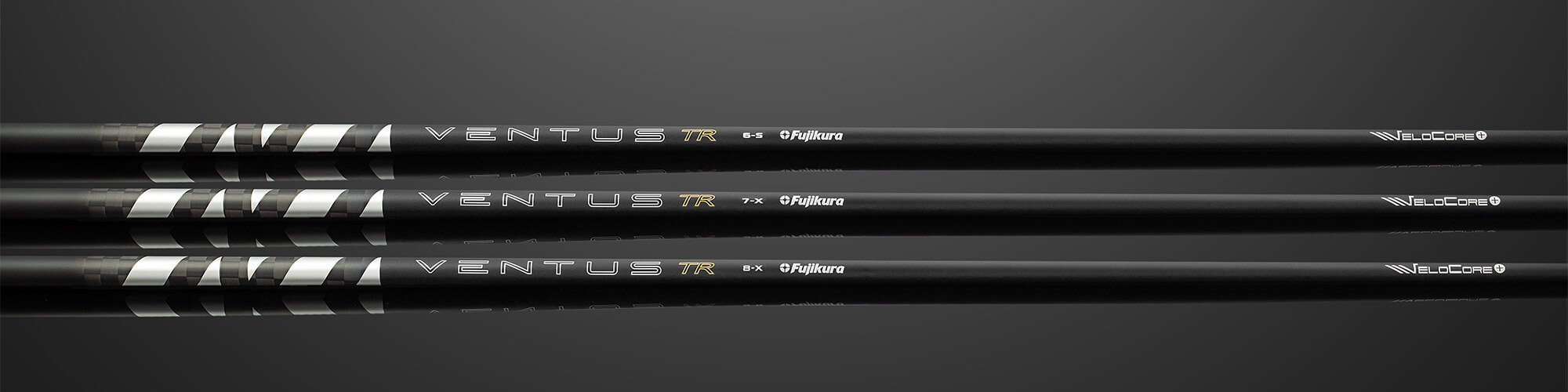

Fujikura’s Ventus line has been the gold standard for aftermarket driver shafts for years, and for good reason. They consistently deliver stability and performance that our launch monitors corroborate time and again. So, when Fujikura announced the expansion of their TR VeloCore+ lineup with the Black and Red profiles, my immediate thought wasn’t “another shaft,” but “what exactly did they tweak, and will the data back it up?” As an equipment editor who’s fit hundreds of golfers and spent countless hours dissecting shaft profiles, I’m always looking beyond the marketing sizzle to the actual steak.
The original TR Blue VeloCore+ already piqued my interest earlier this year. The ‘TR’ concept, for those unfamiliar, positions these shafts as “tweeners” – stiffer than their standard Ventus color counterparts, but not as extreme as stepping down the launch/spin ladder. Think of it as a finely tuned intermediate step. The core promise of VeloCore+ is enhanced stability and tighter dispersion, achieved by pairing Fujikura’s Spread Tow material with their updated VeloCore+ construction, all without fundamentally altering the hallmark launch and spin characteristics of each profile.
“What’s new with VeloCore+ is the pairing of Fujikura’s Spread Tow material with the updated VeloCore+ construction. The promise is more stability, tighter dispersion and improved energy transfer without changing the launch and spin characteristics that define each profile.”
This is crucial. In my fitting bay, “tighter dispersion” is often the holy grail. It means more fairways, more greens, and ultimately, lower scores. If Fujikura can deliver on this without forcing a golfer into an entirely new launch/spin window, it’s a genuine win. I’ve seen too many golfers chase hypothetical ball speed gains with an ill-suited shaft, only to sacrifice accuracy and consistency. The VeloCore+ upgrade aims to give you more of what you already liked, just… better controlled.
Ventus TR Black VeloCore+: Tamed Beast?
Let’s talk about the TR Black. The original TR Black was a shaft I fit sparingly, and strictly for the highest swing speed players. It was an absolute cannon for those who could load it properly, but for anyone else, it felt like swinging a lead pipe. The tip section was unforgivingly stiff, designed to minimize spin and launch at all costs.
“The original Ventus TR Black was, to put it charitably, not for everyone. It slotted between the standard Ventus Black and a piece of rebar, making it one of the stiffest aftermarket driver shafts you could buy.”
Fujikura claims the TR Black VeloCore+ is “more playable” while maintaining its low-launch, low-spin identity. They’ve stiffened the mid-section but dialed back the overall profile just enough to be less punishing. This is a smart move. In my experience, a shaft can be incredibly stable and low-spinning without feeling like it’s fighting the golfer. Many elite players still want that low flight and minimal spin, but they don’t want to feel like they need to swing out of their shoes just to feel the shaft load. If the VeloCore+ construction truly allows for a slightly more forgiving feel without compromising the numbers, it opens up the TR Black to a wider, albeit still fast-swinging, audience. I’ll be looking closely at dispersion numbers and ball speed consistency on off-center strikes when I get my hands on one.
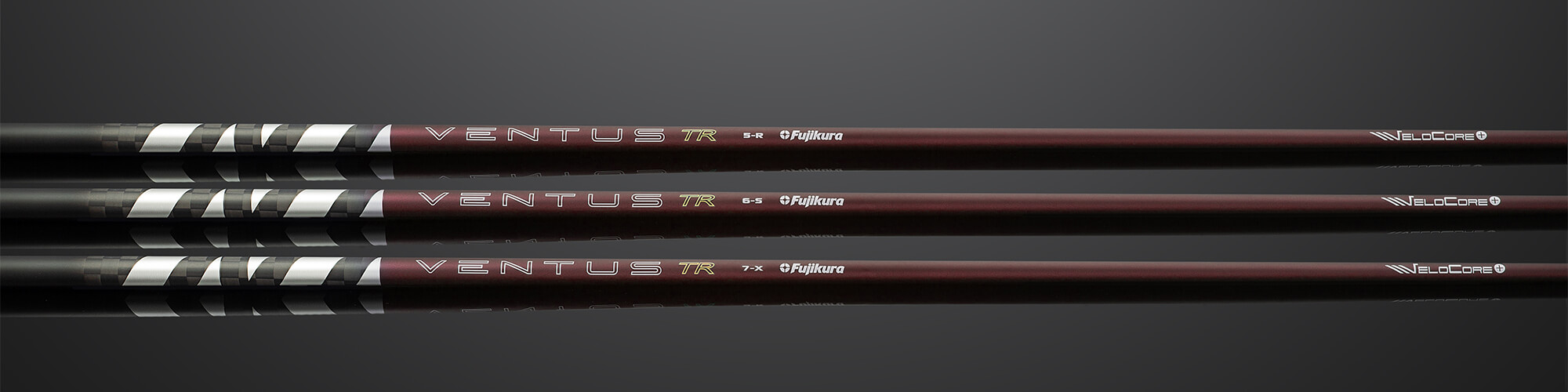
Ventus TR Red VeloCore+: The Overlooked Performer?
On the opposite end, we have the TR Red VeloCore+. This shaft is designed for mid to high launch with additional spin, targeting golfers who need help getting the ball up and keeping it in the air. It slots between the standard Ventus Red and the TR Blue. Historically, the “Red” profiles have been excellent for players needing a bit more carry and a softer landing, often seen in fairway woods or for slower-to-moderate swing speeds in drivers.
This is where my own game often leads me to experiment. While my driver setup is typically TR Blue, I’m always evaluating fairway wood shafts. For a 3-wood, a slightly higher launch and more spin can be incredibly beneficial for consistency and stopping power on greens. A TR Red VeloCore+ in a fairway wood could be a revelation for many golfers, including myself, who find the TR Blue a touch too low-spinning in those clubs.
“This is the one I’m curious about. I’ve been a TR Blue guy for a couple of years now—a happy one, for the record—but I’d be lying if I said I wasn’t at least a little Red-curious, especially in fairway woods where the higher flight and additional spin are often desirable.”
The softer mid and tip sections, relative to the TR Blue, indicate that it will offer a more active feel through impact, promoting that higher launch and spin. For golfers struggling with low flight or insufficient carry, especially those with swing speeds below 100 mph, the TR Red VeloCore+ could be a fantastic option to explore.
The Full TR VeloCore+ Lineup: Making Smart Choices
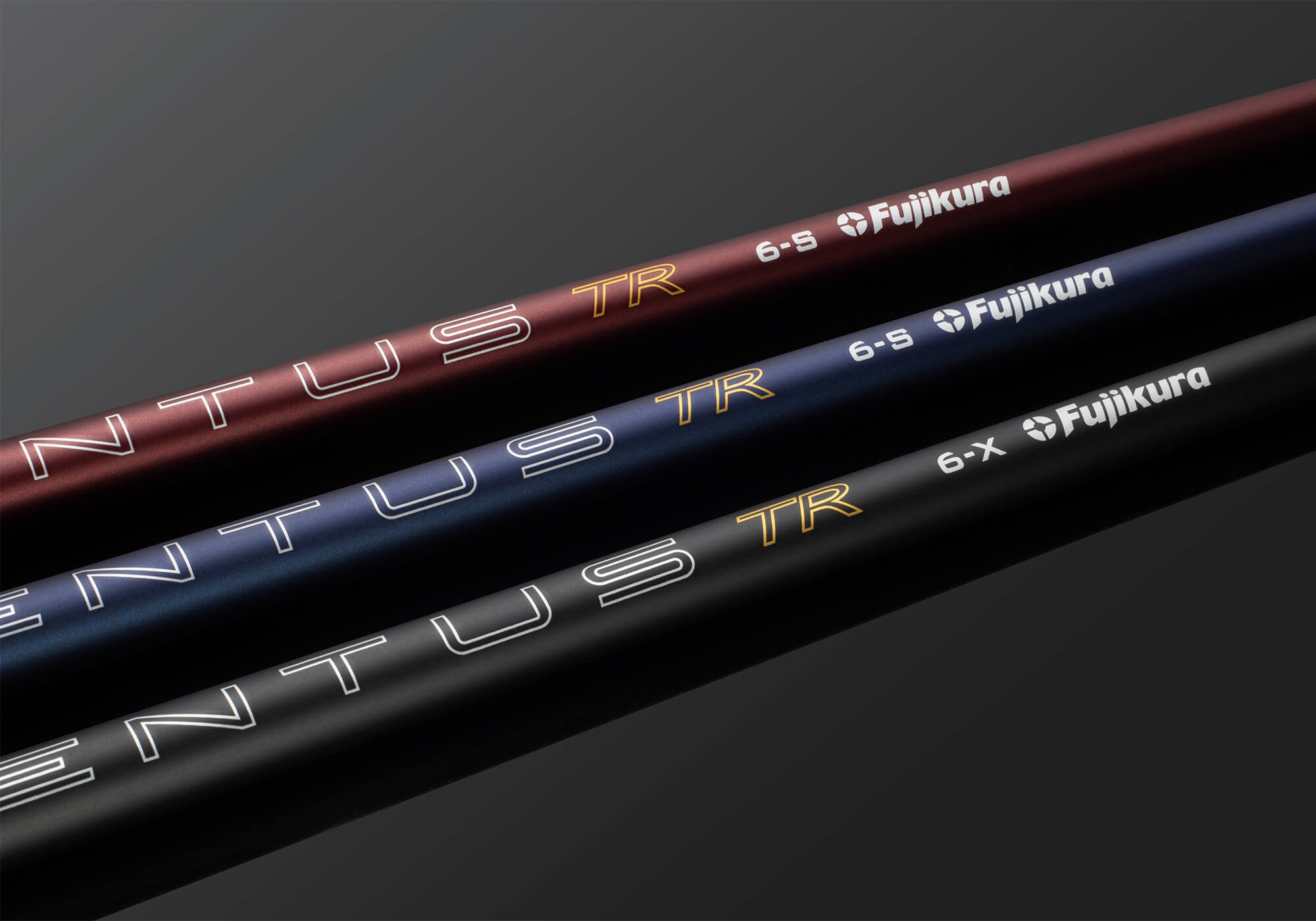
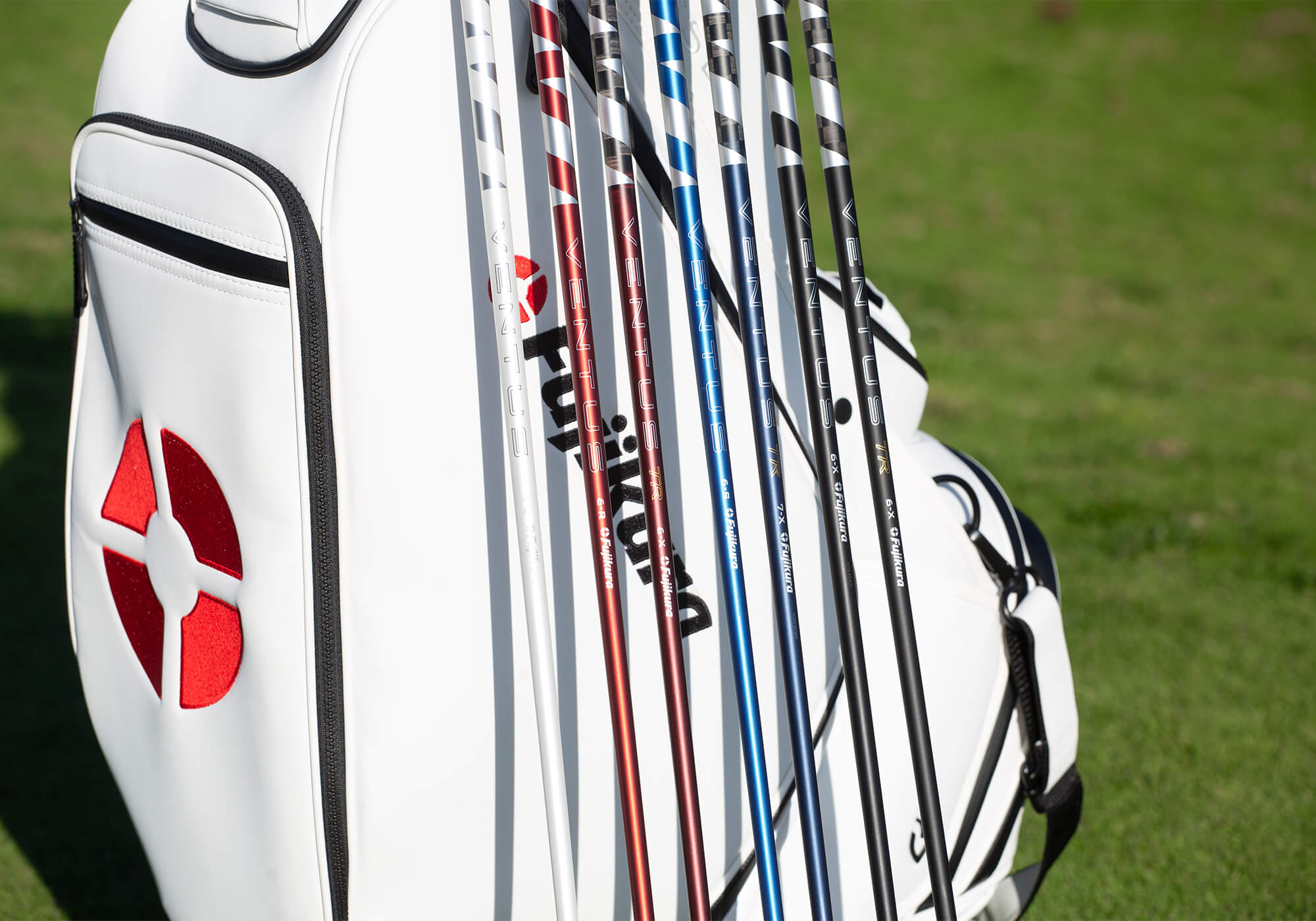
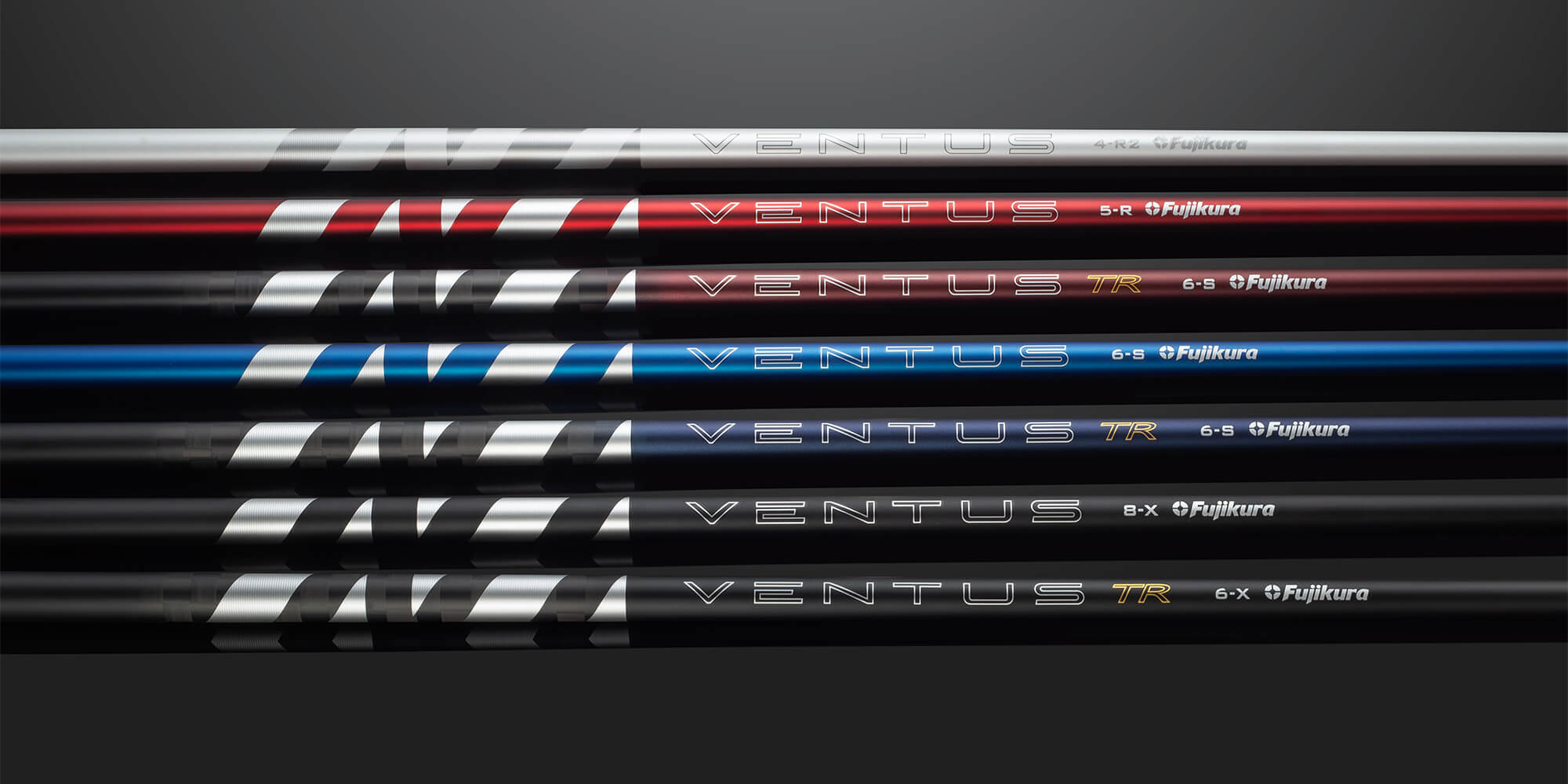
With all three TR profiles now sporting the VeloCore+ tech, the lineup offers a clear progression:
- TR Red VeloCore+: Mid/high launch, higher spin. Easiest to launch, for golfers needing help getting the ball airborne and carrying.
- TR Blue VeloCore+: Mid launch, low spin. The versatile middle ground, offering a balance of stability and moderate launch. My personal go-to for driver.
- TR Black VeloCore+: Low launch, low spin. The stiffest, now reportedly more “playable,” for high swing speeds chasing minimal spin.
The key here, as always, is matching the profile to your swing characteristics and desired ball flight. All three share the fundamental VeloCore+ construction, so the differentiating factor is literally the bend profile. Forget the hype about ‘magic’ materials; the VeloCore+ is about *how* those materials are laid up and what dynamic effect they have on the shaft during the swing cycle. It’s about reducing unwanted deformation, which translates directly to better energy transfer and tighter shot patterns.
Is It Worth the Investment?
With an MSRP of $350, these shafts are premium. Given my experience, a properly fitted premium shaft can be the most impactful equipment change you make, often more so than jumping to a new driver head. The stability and energy transfer of a well-designed shaft like the Ventus can lead to tangible gains in ball speed, and more importantly, significant improvements in dispersion. I’ve seen golfers gain 5-10 yards of carry *and* shrink their dispersion by 10-15 yards simply by optimizing their shaft.
However, that “properly fitted” part is non-negotiable. Don’t blindly buy a Red because you want more launch or a Black because you heard it’s “low spin.” Get on a launch monitor with a certified fitter. Test different weights and flexes within the TR family. Look at your attack angle, club path, and release patterns. A good fitter will match you to the right TR profile that complements your swing, maximizes your ball speed, and tightens your dispersion. That’s where the $350 investment truly pays off – not in the shaft itself, but in the optimized performance it unlocks.
Ultimately, the expansion of the TR VeloCore+ lineup is good news. It gives fitters more precise tools to optimize driver and fairway wood performance for a broader range of golfers, moving them away from the extremes and into a ‘tweener’ profile that might just be their perfect fit. The promise of enhanced stability and tighter dispersion without altering the fundamental launch characteristics is a genuinely valuable proposition in the world of golf equipment.
