

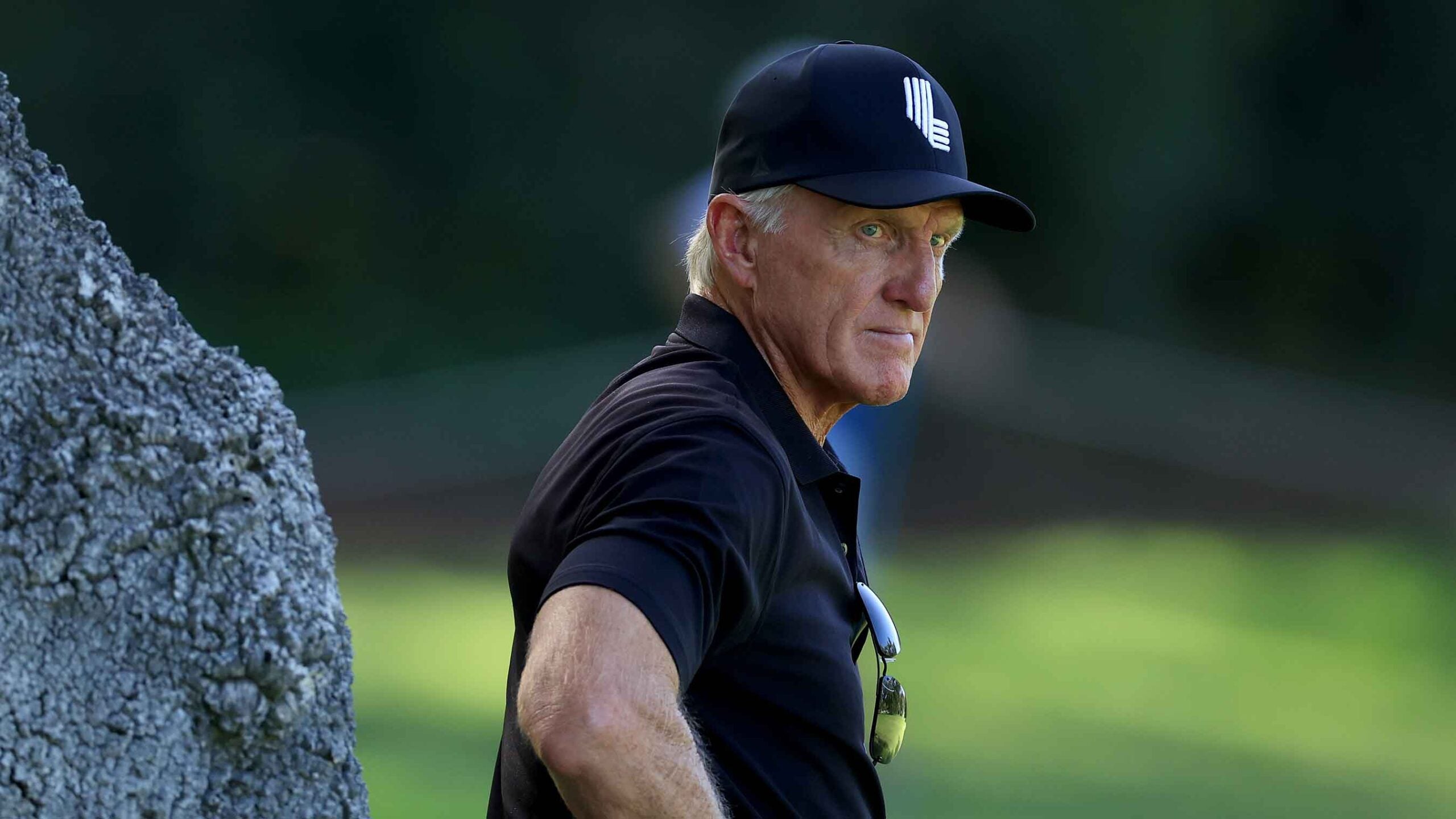

The Evolution of LIV Golf and Greg Norman’s Legacy
The Ryder Cup, a symbol of intense international golf rivalry, last fueled the competitive spirit in the U.S. at Whistling Straits in September 2021. During this event, Phil Mickelson represented Team USA while Greg Norman was on the grounds providing commentary for SiriusXM. Norman was captivated not just by the golf, but by the palpable passion exhibited by American players and fans. This experience solidified his vision for LIV Golf, originally conceived under the name Project X, focusing on a team-centric approach absent in traditional tours. This crucial observation laid the groundwork for the alternative format brought forth by LIV.
While Norman recently stepped down from his position as the CEO and commissioner of LIV Golf, his influence on the game remains significant. His tenure saw golf shift towards a model emphasizing team dynamics, drastically different from the individualistic nature of traditional professional golf. Norman, often regarded as one of golf’s most charismatic figures, understood that establishing a community among players was vital for the future of professional golf. His departure from LIV, however, raises questions about the organization’s direction moving forward and the potential for new leadership under Scott O’Neil.
Throughout his career, Norman has cultivated a reputation as a passionate advocate for players’ interests. Despite his clean break from LIV, his legacy is intricately tied to the players he recruited—Mickelson, Dustin Johnson, Brooks Koepka, and others—who catalyzed a dramatic shift in the sport’s dynamics. Norman’s unique understanding of branding and business proved influential in making LIV an attractive option for top talent. He often noted that players initially lacked comprehension of the global opportunities available to them, revealing his broader vision for golf that extends beyond the conventional.
The contrast between Norman and Tiger Woods is particularly striking amid these developments. Woods, a dominant figure in professional golf and a staunch supporter of the PGA Tour, has historically kept his distance from Norman, complicating any attempts at collaboration. As a member of the PGA Tour’s board and a potent symbol of traditional golf, Woods’s commitment to the establishment underscores the deep chasm between the two mindsets shaping contemporary golf discourse.
Reflecting on his decision to create LIV Golf, Norman critiques the PGA Tour’s commissioner, Jay Monahan, for his emotional handling of negotiation opportunities. Norman posits that a more open dialogue could have fostered a more equitable ecosystem in professional golf. His ambition was never just to create a competitive league; it was to enhance the overall landscape for all players, advocating for greater financial distribution and support at all levels of the game.
As Norman shifts focus back to his global business ventures, including a promising future in golf course architecture, he emphasizes that his departure will not diminish his impact on golf’s future. With major tasks ahead in countries like Vietnam and anticipated opportunities in China, he looks to expand his architectural portfolio while keeping an eye on the evolving global golf culture. Despite stepping away from the limelight of LIV Golf, his insights and experiences will undoubtedly inform his future projects.
Looking ahead to prestigious events like the Ryder Cup scheduled for Bethpage Black, Norman expresses excitement about the competitive spirit that New York crowds promise to bring. His admiration for captain Keegan Bradley highlights his commitment to fostering change and innovation in golf. Norman notes the European team’s inclusion of two LIV players as indicative of shifting sensibilities in professional golf, hinting that the lines separating traditional and emerging formats may soon blur entirely.
Norman’s legacy, while intertwined with the controversial journey of LIV Golf, is also reflective of significant shifts within professional sports as a whole. As he envisions the landscape of global golf five years from now, his predictions suggest a transformative era driven by new leadership and private equity’s growing influence. His statement, "Nothing like what it is now," encapsulates the unpredictable trajectory of the game amid the ongoing evolution of its structures and player agreements.
In conclusion, as the narrative surrounding Greg Norman and LIV Golf unfolds, it becomes clear that the impact of his ideas and ambitions will resonate for years to come. Norman’s vision for team-oriented golf and burgeoning international reach lays a foundation for a sport that is continuously adapting. While his departure from LIV marked a significant change, it also signals a new chapter for both Norman and the broader landscape of golf, one that holds great potential for future innovations and transformations in the game we all love.
