


Mastering Your Swing Path: Inside-Out vs. Outside-In
“Fore right!” Ah, the classic shout that every golfer dreads. Another $5 ball lands in the woods. Sound familiar? One week you’re nailing those drives, and the next, you’re just trying to keep your ball from going on a wild adventure. So, what gives?
Let’s cut to the chase. It’s easy to point fingers at grip pressure or head position, but if we’re being real, the culprit is usually your swing path. Think of swing path like taking a route to work; sometimes you’re cruising down the freeway, and other times you’re lost on some random backroads. The direction your club travels at impact is key, and when that path turns wonky, so does your shot.
The Inside-Out Advantage
So, what does “inside-out” even mean? When your clubhead approaches the ball from the inside of the target line and moves outward after impact, you’re on a winning path. This swing typically produces a sweet draw or a straight shot, and here’s the catch—it’s way more forgiving. Even if you don’t strike the ball perfectly, you might still find yourself on the fairway rather than stuck behind a tree. Awesome, right?
The Outside-In Trap
Now, let’s unpack what happens with an outside-in swing. This approach comes from outside the target line and crosses over after impact. If you’ve ever sliced the ball—sending it far away from where you wanted—you know exactly what I’m talking about. It creates sidespin and turns your golf ball into a scenic tour guide of the course, costing you both balls and confidence.
The real kicker? An outside-in swing can feel like you’re really attacking the ball. That “oomph” you’re putting in? It’s often working against you. Instead of feeling powerful, you end up with inconsistent hits and unpredictable shots. Yikes!
Your Setup Matters
Believe it or not, your swing path is determined before you even make that backswing. If you’re aligned left or have open shoulders, you’re basically steering straight into trouble, forcing an outside-in swing. It’s like driving straight while pointed at the ditch. Not ideal, trust me.
Spend some time getting your setup right. Align your feet, hips, and shoulders parallel to your target line. Your body will naturally swing along the path it’s aimed at, so why not give it the right direction?
Feel the Club Drop
Ready for a swing thought? Here’s a good one: feel the club “drop” into position at the start of your downswing. Rather than throwing your hands at the ball, let the club naturally fall into place. This will help you set up for that inside-out approach without forcing it.
Picture this: tossing a ball underhand. You bring your arm from inside and release outward without even thinking about it. Your golf swing can and should work the same way!
Lower Body is Key
Next up: let your lower body take the lead. Your downswing should start with your hips and legs, not your arms. If your upper body takes control, it usually leads to that pesky over-the-top swing. Begin by shifting your weight to your front foot and turning your hips towards the target; your arms will follow suit.
Master the Transition
Ah, the transition—the brief pause between your backswing and downswing is where magic happens. Rushed transitions usually lead to messy shot paths. Take your time. Let your lower body kick off while your arms finish the backswing. This natural sequence will help you groove that inside-out swing path.
Trust the Process
Here’s where a lot of golfers slip up. An inside-out swing might feel like you’re not aimed correctly at the target. Spoiler alert: that’s totally normal! With a square clubface and an inside-out path, you’ll send the ball right where you want it, even if the swing feels a bit off.
Get Your Practice On
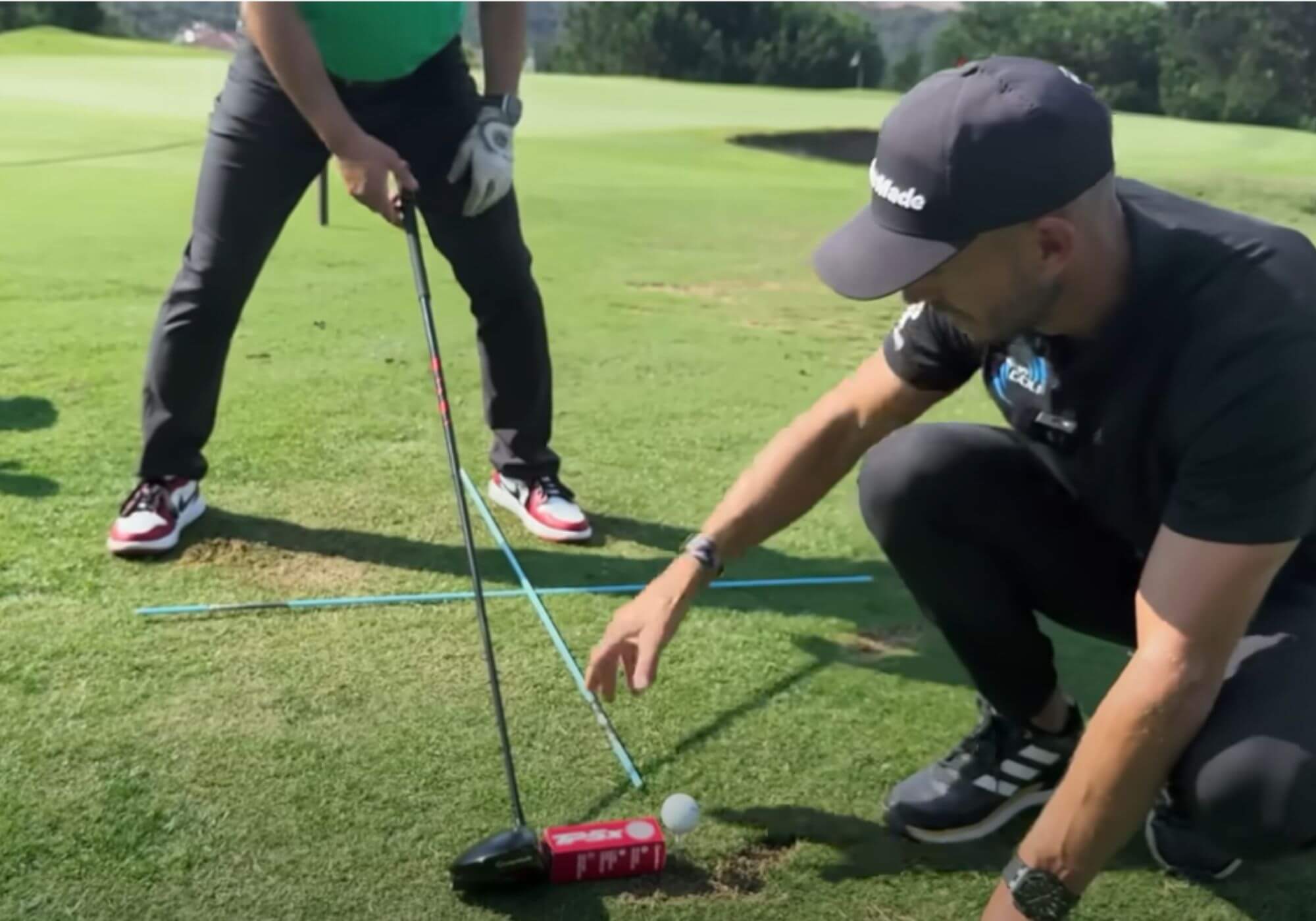
Want to get better? Use alignment aids during practice. Place a club on the ground, pointing at your target, and another one about two feet outside your ball, running parallel to that line. Practice swinging from inside that outer club. This gives you a visual cue and helps train that correct feeling.
Your swing path is like your golf fingerprint—unique to you but totally improvable. The goal isn’t to reinvent the wheel but to understand what your path is saying and make little tweaks for big improvements.
When you swing from the inside, your misses become manageable, your distance improves, and you’ll start enjoying your rounds instead of playing a relentless game of hide-and-seek with your balls.
The more you fine-tune your swing path, the better your game will become. So next time you shout “fore right!” let it be in a playful way as you watch a well-struck shot sail straight down the fairway. You got this!
