

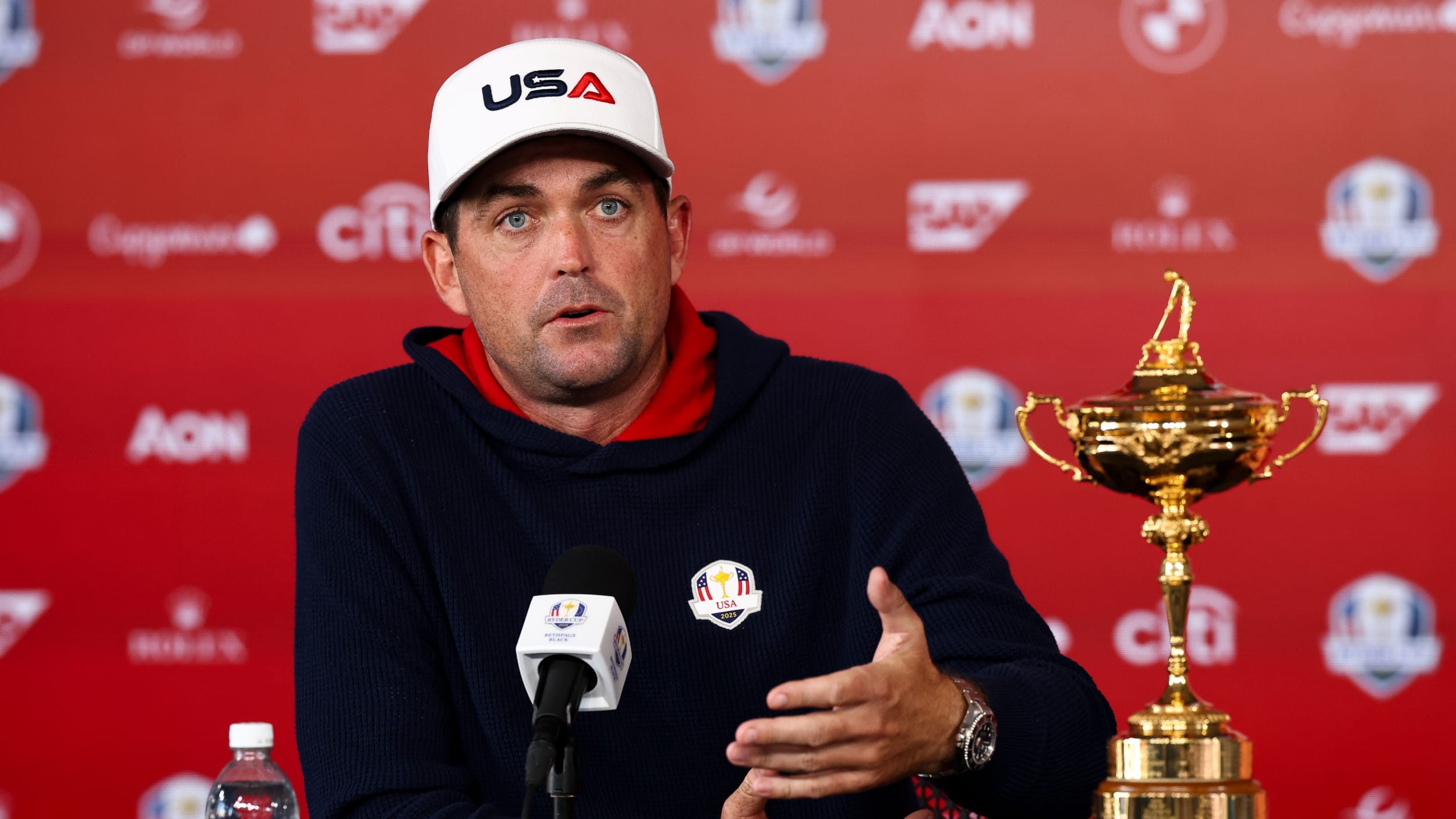

Keegan Bradley Defends Ryder Cup Payment Decision: A Bold Move for Golf
In a significant turn of events, U.S. Ryder Cup captain Keegan Bradley has publicly defended the groundbreaking decision to introduce financial compensation for team members for the first time in Ryder Cup history. This shift marks a pivotal moment not only for the event itself but for the broader golfing landscape, as the dynamics of player compensation continue to evolve.
In December last year, it was announced that each player on the United States Ryder Cup team would receive a financial package worth $500,000. This includes a stipend that was traditionally absent from the competition’s framework. Bradley himself will also benefit from this payment, which highlights the game’s increasing financial complexities and obligations to its players.
Traditionally, competitors at the Ryder Cup enjoyed charitable donations instead of direct financial payments. The previous standard, which allocated $200,000 for charity, will now increase to $300,000 as the Ryder Cup heads to the famed Bethpage Black course. This structural change appears to reflect a desire for modernization within a sport often criticized for its slow adaptation to change.
Amidst this modernization, the introduction of a $200,000 stipend has stirred debate. This practice breaks with almost a century of tradition, dating back to the inaugural Ryder Cup in 1927. There’s a growing sentiment among commentators that this development could change the essence of the competition, with calls for maintaining the historical ethos of the Ryder Cup.
The question of financial compensation has long lingered in the shadows. Notably, this conversation gained traction after Ben Crenshaw’s captaincy in 1999, when he introduced charitable donations to appease potential player discontent. This policy change showcased a blend of competitive spirit and social responsibility, but now financial payments have become a part of the equation, further complicating the narrative.
The topic of payment gained heightened visibility during the 2023 Ryder Cup, when Patrick Cantlay reportedly refused to wear a team hat as a form of protest over the payment issue. Although he later dismissed these claims as “complete lies,” this incident brought the compensation debate to the forefront, highlighting how players’ sentiments can influence public perception and team dynamics.
Bradley addressed the payment issue during a press conference alongside European captain Luke Donald, emphasizing the importance of bringing the Ryder Cup into modern times. He acknowledged that players would have personal choices regarding the allocation of their stipend but reiterated his commitment to directing the funds toward charitable endeavors.
In response to the decision, notable figures in golf, including two-time Ryder Cup winner David Howell, posed that the European squad might view this change as a motivational tool. They argue that players who are not financially compensated may be inspired to excel further, thus presenting a potential psychological edge during competition. However, Bradley has dismissed these notions as distractions from U.S. team objectives.
Echoing the format of the Presidents Cup, where players participate without direct financial motivation but have the chance to allocate raised funds to charities, Bradley believes this new approach will ultimately foster goodwill. The captain asserts that creating a monetary incentive is not the primary focus; rather, it is about utilizing the opportunity to make a positive impact through charitable contributions.
Despite concerns arising around the optics of financially compensating players amidst an industry rich with sponsorships and lucrative endorsements, Bradley remains steadfast in his position. He is confident that this strategic shift will benefit not just the players but also the broader community, emphasizing their capability to effectuate meaningful change through their financial support.
Ultimately, the decision to introduce payments at the Ryder Cup represents a transformative moment in the sport of golf. Whether it will resonate positively with players and fans alike remains to be seen, but the conversation is undoubtedly shifting as the game advances into a new era of competition, responsibility, and professional recognition. Through this move, the Ryder Cup is not just adapting; it is creating a blueprint for a future that acknowledges the evolving needs and expectations of its players.
