


Hello, fellow Duffer! Sarah Chen here, your Golf Instruction Editor, and I’m excited to share some insights with you today. As PGA-certified instructor with over 15 years of experience, I’ve had the privilege of working with golfers of all levels, from tour professionals to weekend warriors, and I truly believe that with the right guidance and practice, anyone can improve their game.
This week, as the Genesis Invitational unfolds, we’re seeing some incredible talent on display. Even with some early week rains, the pros are showing us what’s possible out on the course. While browsing the galleries from GolfWRX, I couldn’t help but notice some fascinating details, particularly concerning equipment choices and the meticulous attention pros pay to every aspect of their game. It reminds me that excellence in golf isn’t just about the swing; it’s about preparation, precision, and finding what works best for *you*.
“On site this week at the Genesis Invitational, despite early week rains and some general sogginess, GolfWRX captured an assortment of general galleries, WITBs, and special selections.”
Today, I want us to zoom in on an area that often gets overlooked by amateur golfers but is absolutely crucial for scoring: your putter. We’re going to explore how pro players individualize their equipment and how you can apply those same principles to find your perfect flatstick and improve your putting stroke.
The Art of Customization: More Than Just a Putter
When you watch the pros, you often see them making putts that seem almost magical. While their skill is undeniable, a significant part of their success comes from an incredibly precise connection with their equipment. It’s not just about picking a putter off the shelf; it’s about finding one that feels like an extension of their hands.
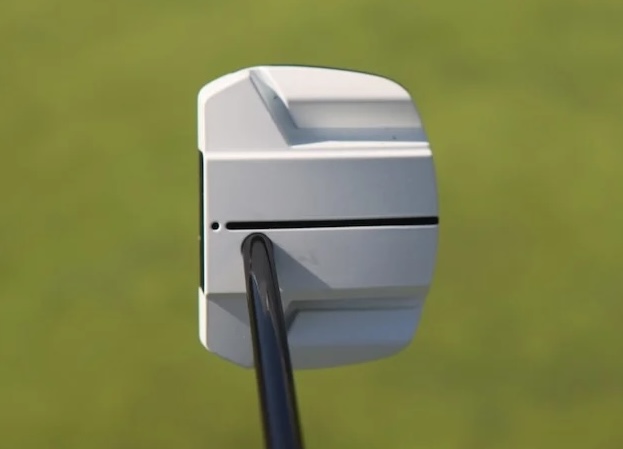
Take, for instance, the feature image showcasing Hideki Matsuyama’s new custom Scotty Cameron putter. Or observing Tony Finau’s new flatstick. These aren’t just cosmetic changes. Pros work with designers and fitters to fine-tune every aspect – weight, lie angle, loft, grip, and even feel. This meticulous process ensures the putter perfectly matches their stroke, eye line, and personal preferences, giving them the confidence to roll it true under pressure.
I often tell my students, “Your putter is arguably the most important club in your bag for scoring.” Think about it: approximately 40% of your strokes in a round are putts. Even a small improvement in putting can dramatically lower your scores. And a big part of that improvement comes from having a putter that feels right in your hands.
Finding Your Feel: It’s About Connection
You might not have a custom Scotty Cameron tour truck at your disposal, but you can still apply the principle of finding a putter that feels right. The goal is to build an unshakeable connection where the putter feels like a natural extension of your body, allowing you to focus purely on the line and speed, not on manipulating the club.
One of the most interesting observations from the Genesis galleries was seeing Min Woo Lee wielding an Odyssey prototype putter. This further emphasizes that pros are constantly testing and refining, searching for that optimal feel and performance. If the best players in the world are still experimenting, it tells us that finding your perfect putter is an ongoing journey.

Drill #1: The “Blind Putter Test” for Feel
Here’s a drill to help you connect with your putter’s feel:
- Gather 3-5 different putters (borrow from friends, try some at a golf store).
- Place a small target (e.g., a coin) about 10 feet away.
- Close your eyes or wear a blindfold. Take each putter and make 5-10 strokes to the target, focusing purely on the feel of the clubhead through impact and how it releases the ball.
- Without looking, decide which putter felt the most consistent, and gave you the best sense of distance control.
- Open your eyes. You might be surprised which one you picked! This drill helps remove visual bias and focuses on the tactile connection.
Consistency is King: Understanding Your Stroke
Once you have a putter that feels good, the next step is to understand and refine your putting stroke. Are you an arc player, or do you have a more straight-back-straight-through motion? Does your putter face stay square or open/close slightly?
Even things like a custom Scotty Cameron putter cover for Aldrich Potgieter or the dedicated wedge stamping of Matt McCarty show an absolute dedication to their equipment and a desire to make it truly ‘theirs.’

This personalization transcends just physical equipment; it speaks to the mental ownership and confidence derived from having gear that perfectly complements their game.
Drill #2: The “Gate Drill” for Stroke Path
This classic drill is amazing for consistent stroke path:
- Set up two golf balls or alignment sticks slightly wider than your putter head, creating a “gate” for your putter.
- Place another ball 1-2 feet in front of your putter, directly in line with the hole.
- Practice putting, focusing on moving the putter head smoothly through the gate without touching either side.
- Start with short putts (3-5 feet) and gradually increase distance as you gain control. This teaches you to keep your putter on path and deliver the face squarely at impact.
Practice with Purpose: It’s About More Than Just Hitting Balls
The beauty shots of Riviera’s clubhouse or the thoughtful detail of personalized gear, like Jake Knapp’s custom KBS “Knapp Time” shaft labels, remind us that golf is a game of artistry and precision, both on and off the course.

“…and the Hawk watching over Hogan’s Alley in the rain”
Even in challenging conditions, the pros are focused and prepared. This level of focus is what we aspire to, and it starts with purposeful practice.
Drill #3: The “Ladder Drill” for Distance Control
This will sharpen your touch:
- Find a flat practice green.
- Place a ball 3 feet from the hole. Make five putts.
- Move back to 6 feet from the hole. Make five putts.
- Continue moving back in 3-foot increments (9 ft, 12 ft, 15 ft, etc.) and make five putts at each distance.
- The goal isn’t just to make them, but to get a feel for the different speeds required for each distance. Pay attention to how far your backswing and follow-through need to be.
Remember, improving your putting is a journey, not a destination. It requires patience, attention to detail, and a willingness to understand what works for *your* unique stroke. Don’t be afraid to experiment with different putters, grips, or even just focus on one aspect of your stroke at a time. The pros show us that every detail matters, and with diligent, smart practice, you too can gain that crucial confidence over your putter and shave strokes off your game. Happy putting!
