

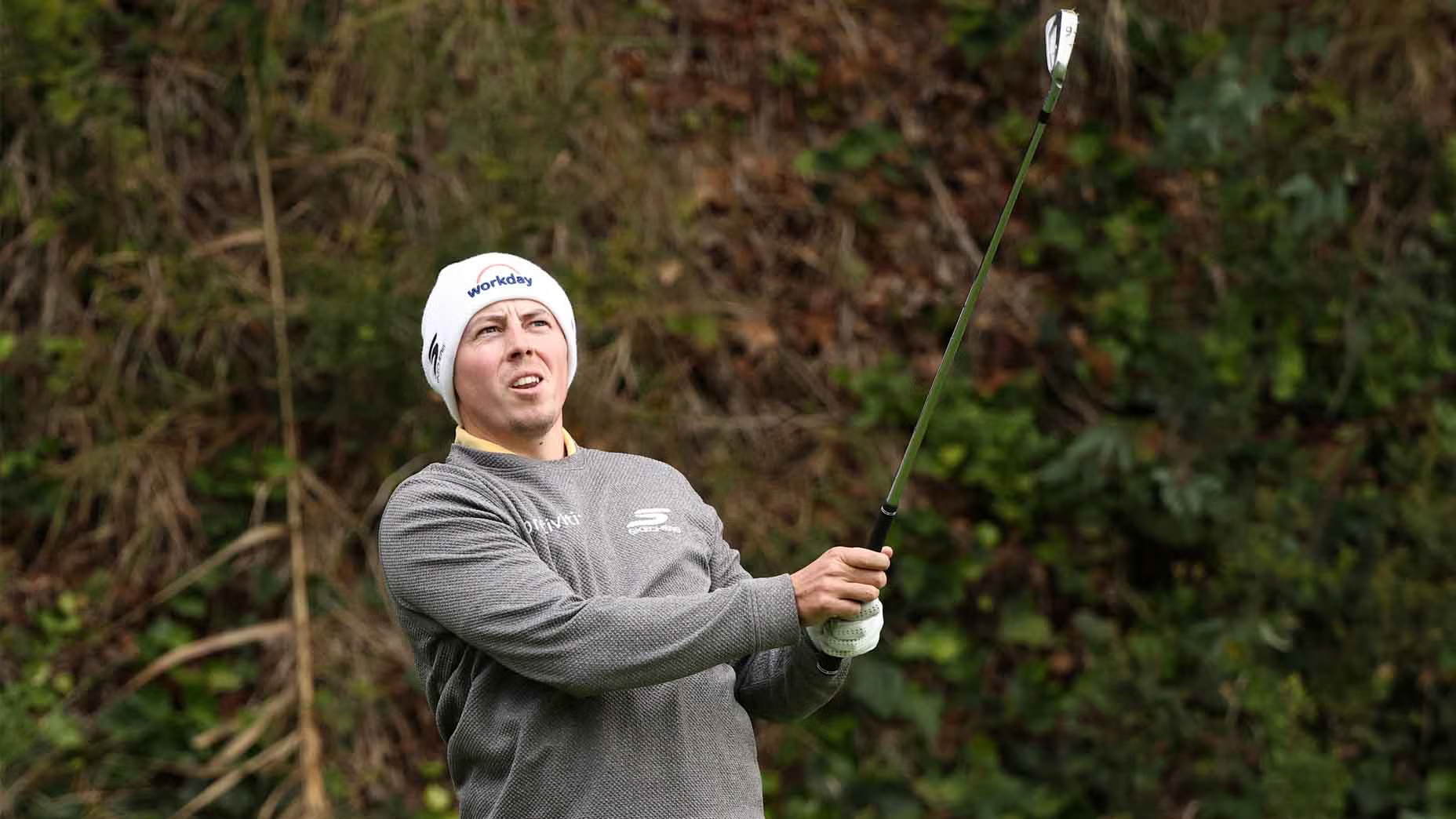

There are some things in golf that are universally agreed upon: an early morning tee time holds a special kind of magic, the smell of freshly cut grass is intoxicating, and a perfectly struck iron shot is pure poetry. But then there’s Riviera’s 10th hole, a par-4 that has become the golf world’s most charming, infuriating, and endlessly debated enigma.
As Lifestyle Editor for The Daily Duffer, I find myself drawn to these moments that transcend the scorecard. It’s not just about the birdies or bogeys; it’s about the human reaction, the passion, the frustration, and the sheer audacity of a golf hole that can reduce the world’s best players to a collective head-scratch. And when someone as poised and meticulous as Matthew Fitzpatrick weighs in, you know it’s more than just a bad shot – it’s a lifestyle moment.
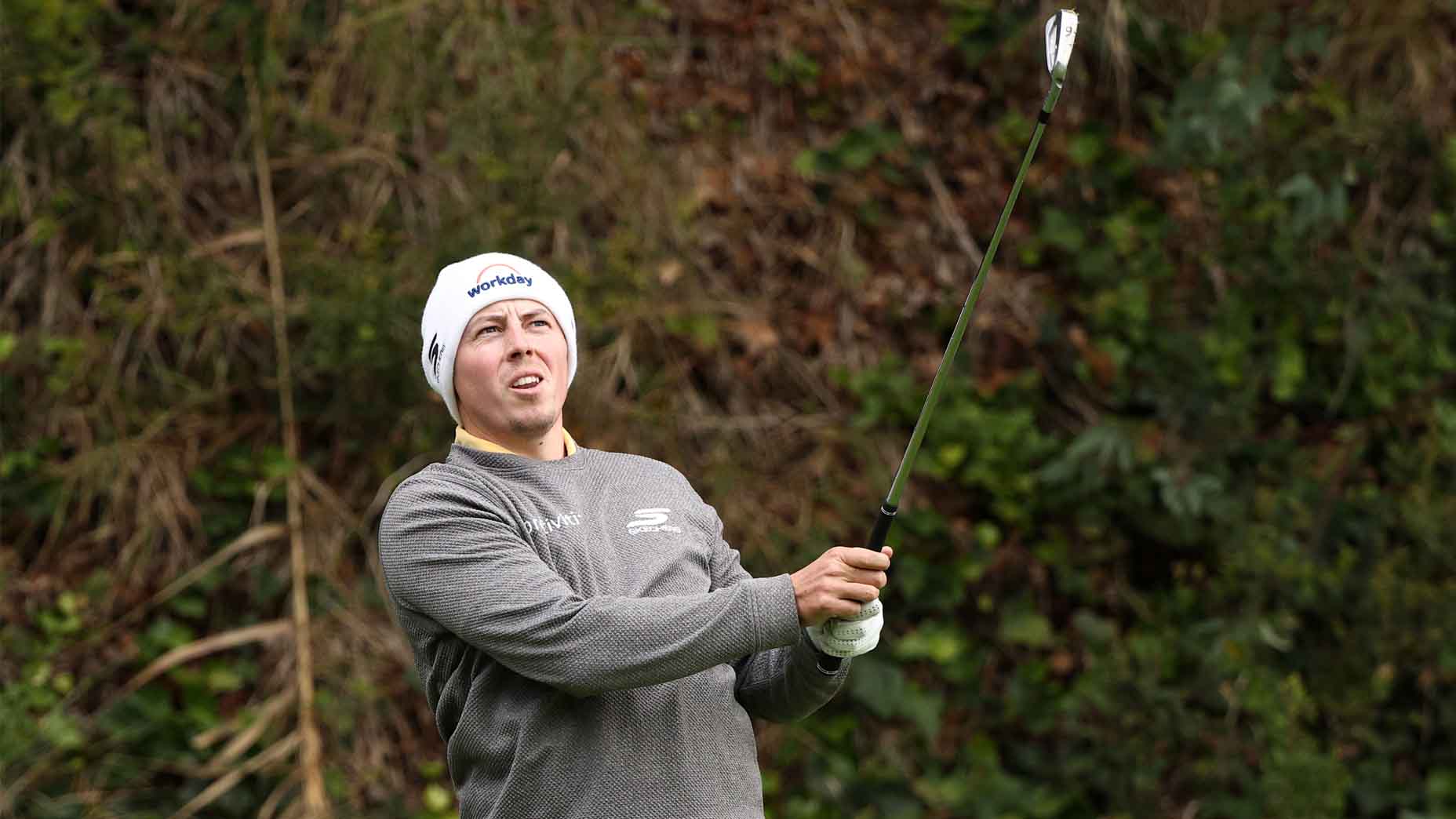
The Art of the Golfing Rant (and What It Teaches Us)
We’ve all been there. A sublime round unraveling after one particularly vexing hole. A perfectly good walk spoiled, as the old saying goes. For us mere mortals, it’s usually a water hazard or a three-putt that sends us spiraling. For Matthew Fitzpatrick at the Genesis Invitational, it was the infamous No. 10 at Riviera. After navigating it beautifully on Thursday, Friday brought a fresh challenge with a tricky pin placement. His approach, intended to set up a long putt or a smooth up-and-down, went awry, landing him in the bunker. The ensuing sequence of shots was a masterclass in how a short par-4 can humble even the steadiest hands.
His post-round comments, however, are what truly resonated with me:
“It was a great round. Felt like I played really solid. Just bogey on 10, the world’s most impossible golf hole. I’ll leave it there.”
And later:
“I just don’t think it’s a fair golf hole, so I’ll just leave it at that.”
There’s a subtle art to the golf rant, isn’t there? It’s not just about complaining; it’s about acknowledging the struggle, the unfairness, and then, crucially, moving on. Fitzpatrick’s ability to vent, laugh about it with his playing partners (“great bogeys, guys!”), and then refocus to finish his round at five-under 66, speaks volumes about the mental resilience required in this game.
Beyond the Swing: Embracing the Mental Game of Life
What can we, as everyday golfers and individuals navigating life, glean from this? It’s a powerful lesson in perspective and emotional intelligence. We all face our “Riviera No. 10s” – those moments or situations that feel inherently unfair, designed to trip us up, and sometimes, purely frustrating. It could be a challenging project at work, a setback in a personal goal, or simply a day where nothing seems to go right.
Fitzpatrick’s response offers a blueprint:
- **Acknowledge the Frustration:** Don’t bottle it up. It’s okay to feel annoyed, even cheated. Express it, as Fitzpatrick did, whether it’s through a muttered complaint or a shared laugh with friends.
- **Gain Perspective:** While he called it “the world’s most impossible golf hole,” he also managed to fire a fantastic round. One bad hole didn’t define his entire day. Similarly, one setback doesn’t define your entire journey.
- **Find the Humor:** His ability to joke with Aaron Rai and Garrick Higgo about their shared misery (“great bogeys, guys!”) diffuses tension and builds camaraderie. Laughter is often the best medicine, especially when things go awry.
- **Learn and Adapt (or Rant and Move On):** Rory McIlroy suggests re-grassing or softening the green. Fitzpatrick, for now, is content to call it unfair and “hit and hope.” Both approaches, in their own way, are about finding a path forward, even if it’s just accepting the challenge with a shrug and a smile.
The Social Fabric of Golf: Shared Experiences
The debate around Riviera’s 10th isn’t just about a hole; it’s a testament to the shared experience that golf fosters. When Fitzpatrick shared his “great bogeys” comment, he tapped into a universal truth of the game: misery loves company, and often, it’s in these collective struggles that bonds are forged. This is the human element I find so fascinating about golf culture.
“We all made bogey. I said, ‘great bogeys, guys,”” Fitzpatrick said. “I got a laugh out of everyone, which was good.”
It’s a reminder that golf, despite its individual nature, thrives on connection. Whether you’re a PGA Tour pro or a weekend warrior, sharing the highs and lows, the triumphs and the tribulations, adds another layer to the immense pleasure we derive from playing. So the next time you find yourself battling a particularly infuriating hole, remember Matthew Fitzpatrick. Embrace the challenge, allow yourself a good-natured rant, share a laugh with your playing partners, and then, crucially, walk on to the next tee with renewed focus. Because in golf, as in life, it’s not about avoiding the tough spots, but about how gracefully (or humorously) we navigate them.
">
