

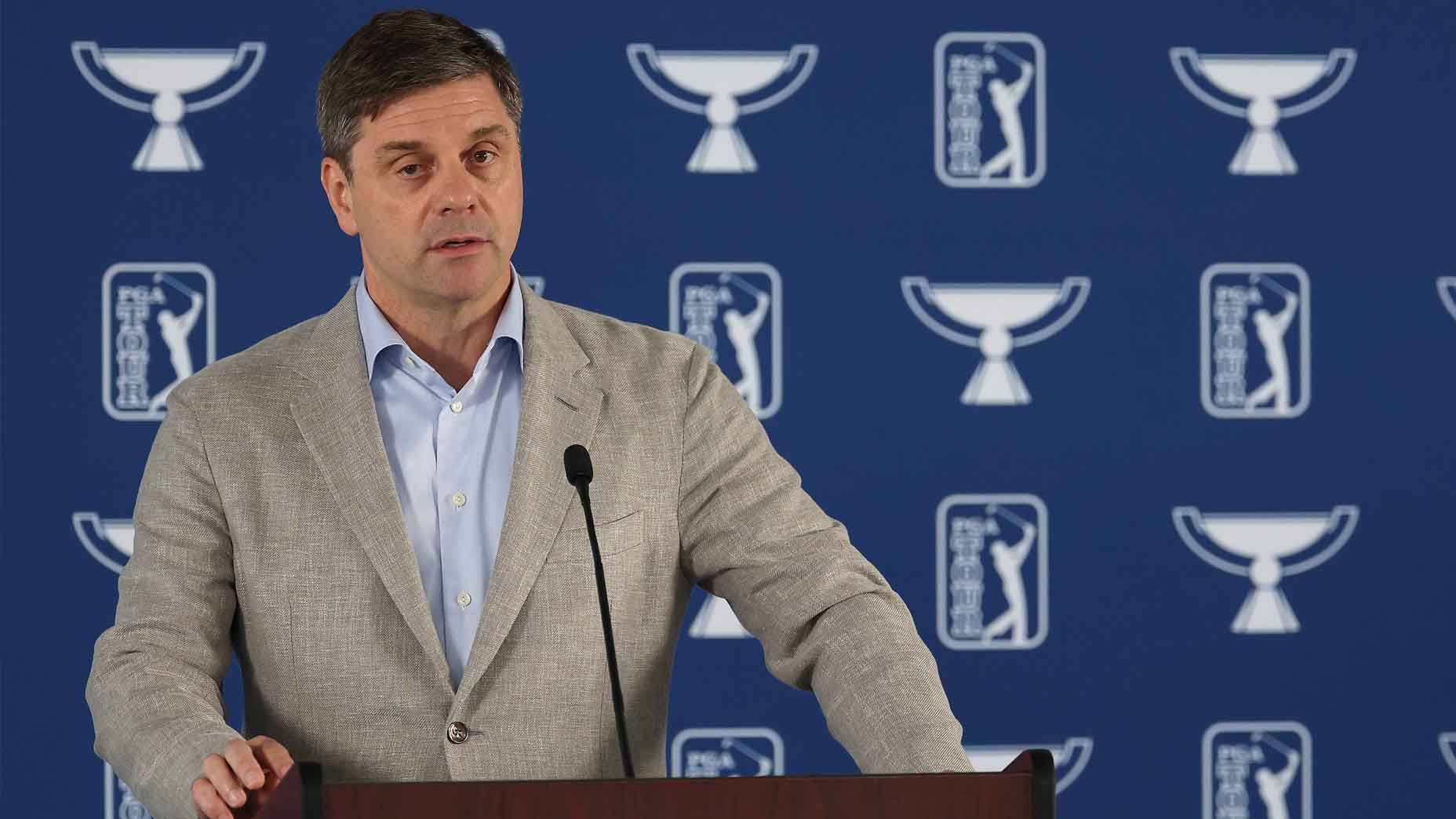

Potential PGA Tour Schedule Changes: Insights from CEO Brian Rolapp
In a recent discussion, professional golfer Harris English hinted at the possibility of significant changes to the PGA Tour schedule. These speculative comments have generated considerable buzz within the golfing community. PGA Tour CEO Brian Rolapp has also acknowledged these discussions, sparking excitement and curiosity about the future of the Tour. The prospect of major shifts in the schedule opens the door to examining how these changes could impact players, fans, and the sport of golf as a whole.
The Current State of the PGA Tour Schedule
The PGA Tour has seen a well-established schedule over recent years, providing golfers with a consistent routine and fans with predictable viewing. Traditionally, the Tour features a mix of tournaments across various regions, culminating in a high-stakes playoff system. However, as the landscape of professional golf evolves, the question arises: is a fresh approach needed to keep the sport engaging and relevant?
Speculation Among Players
Harris English’s comments stirred the pot by suggesting that players are ready for a revamped schedule that better aligns with modern viewing habits and competitive demands. Many players have voiced their opinions on this matter, with an overarching sentiment that change could be beneficial. Adaptations might include adjusting the timing of certain tournaments, revisiting the format of playoff events, or integrating new venues that could draw larger crowds.
Brian Rolapp’s Vision for Change
Brian Rolapp, the PGA Tour’s CEO, possesses a keen understanding of business dynamics and fan engagement. His perspective on potential changes is informed not only by the players’ input but also by analytics that reveal shifting viewer preferences. Rolapp’s openness to the idea indicates a willingness to innovate while remaining respectful of the heritage and tradition that have defined the PGA Tour for decades.
Fan Engagement: A Key Concern
One of the primary motivations behind considering significant schedule changes is enhancing fan engagement. The younger demographic, in particular, has shown a preference for rapid-paced, flexible sports consumption. Consequently, the PGA Tour may explore opportunities to create more engaging events that appeal to this tech-savvy audience, possibly through varied time slots or new electronic and interactive features during tournaments.
The Impact on Major Championships
As the PGA Tour contemplates changes, significant emphasis will likely be placed on how these alterations could impact major championships. These hallmark events have a unique charm and attract worldwide attention; therefore, any modifications must be carefully considered. Are there opportunities for these prestigious tournaments to incorporate contemporary elements that maintain tradition while increasing their appeal?
Insights from Other Sports
Professional sports leagues around the world often undergo restructuring to adapt to changing dynamics. The transition seen in leagues such as the NFL and NBA could offer valuable insights for the PGA Tour. Learning from the successes and challenges faced by these leagues can provide a blueprint for creating a schedule that meets the expectations of both players and fans alike.
Anticipating Challenges Ahead
While the potential for change is exciting, it is not without its challenges. Players have diverse opinions on what a revamped schedule should entail, and balancing these perspectives will be crucial. Moreover, logistical hurdles such as venue availability, sponsorship commitments, and broadcasting rights may pose additional complexities.
Preparing for Implementation
If changes are indeed on the horizon, the implementation phase will require a strategic approach. Engaging stakeholders, including players, sponsors, and fans, will be essential in creating a smooth transition that minimizes disruption in the Tour’s operations. Public relations efforts will also play a significant role in communicating the rationale behind changes, ensuring that the positive aspects resonate widely.
Conclusion: A New Era for the PGA Tour?
As Harris English’s insight and Brian Rolapp’s confirmation indicate, the PGA Tour is at a potential crossroads. The opportunity for transformative scheduling changes presents a unique moment in the sport’s evolution. By being receptive to innovative adjustments while honoring its rich tradition, the PGA Tour can enhance player experiences and capture the interest of a wider audience, paving the way for a vibrant future in professional golf. As fans and players alike await further announcements, the excitement surrounding the possibility of a renewed PGA Tour experience continues to build.
The world of professional golf is poised for a potential renaissance, and the journey ahead promises to be as captivating as the sport itself. Stay tuned for further developments as the PGA Tour navigates this intriguing path toward an exciting new chapter.
