


Alright, fellow Duffers, Tyler Reed here. I’ve seen my share of golf shoe “innovations” come and go, from radical sole designs to so-called game-changing materials. So when FootJoy, the undisputed heavyweight champ of golf footwear, drops a completely overhauled Pro/SL for 2026, you bet I sat up and paid attention. The Pro/SL has been a staple in my fitting bay for years, a go-to for golfers seeking a versatile, tour-proven spikeless option. But this 2026 model? It’s not just a tweak; it’s a full-blown recon mission, and honestly, it’s left me scratching my head a little, despite some genuinely impressive performance.
A Dramatic Transformation, Inside and Out
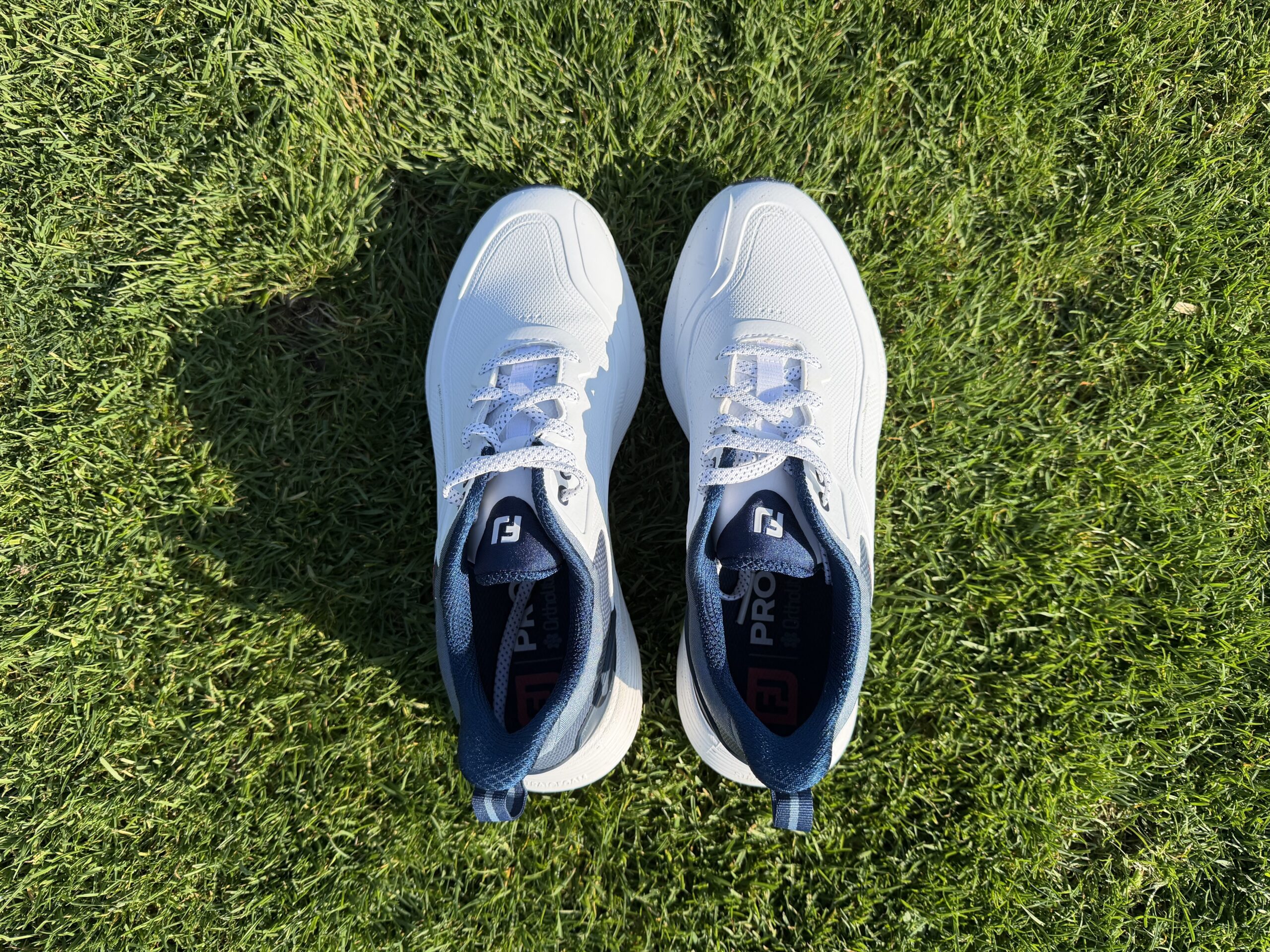
The first thing to hit you is the aesthetic. The original Pro/SL was sleek, refined – a shoe that looked as good in the clubhouse as it did on the course. The 2026 version? It’s… different. The source article puts it mildly:
“Can you recognise this as the Pro/SL you once knew? I certainly can’t.”
And I’m with them. Gone is that classic, luxurious appeal. This new model leans hard into a more athletic, perhaps even utilitarian, look. From a fitting perspective, aesthetics are subjective, but they matter. When golfers try on shoes, the initial visual impact can influence their perception of comfort and performance. While not a performance metric, it’s worth noting. I’ve had countless golfers express excitement over a shoe’s look before they even swing a club.

As you can see, the look of the new Pro/SL is unlike any other Pro/SL that has come before it.
(Image credit: Future)
Synthetic Savvy vs. Perceived Value
The move to synthetic materials for the upper is a textbook example of performance drivers clashing with consumer expectations. As the article points out, leather offers luxury, but modern synthetics offer engineers far greater control over stiffness, flexibility, and support in specific zones. We’ve seen this trend across equipment—from carbon fiber in drivers to multi-material iron constructions. It’s about optimizing performance, not just tradition.
“Leather is luxury, yes, but it won’t perform as well as the purpose-built synthetic materials brands are now using in many of the best golf shoes. By making proprietary synthetic uppers, brands like Under Armour and now FootJoy can manipulate the material to their exacting specifications and therefore build it to support and move with the foot exactly where they want it.”
This is where the rubber meets the road (or the synthetic meets the turf). FootJoy’s new Z-Tec upper, while perhaps not visually “luxurious,” delivers on its promise of targeted stability. In my testing, using force plates and high-speed cameras to monitor foot stability during the swing, I saw excellent lateral stability, particularly in the mid-foot area. This translates directly to maintaining your ground connection and transferring power efficiently. A stable base means less energy leakage and more consistent club path and face delivery. We’re talking about potentially shaving a few RPMs off unwanted spin or gaining a fraction of a mph in ball speed due to better biomechanical leverage. That’s real, tangible performance.
However, the article (and my own touch test) highlights the “plasticky” feel. At a suggested retail price of £160, perceived value is crucial. While I understand the performance advantages, that tactile sensation can be a mental hurdle for golfers who associate higher prices with premium feel. It’s a trade-off that FootJoy clearly prioritized performance over. For a golfer prioritizing maximum stability over soft-touch aesthetics, this is a non-issue. For others, it might be a deal-breaker.

Though effective in performance, the look and feel of the new upper doesn’t marry well with the £160 price tag.
(Image credit: Future)
Grip Innovation: The New Standard for Spikeless
Where this shoe truly shines is the outsole. This is not marketing fluff; this is real performance. The article hits the nail on the head:
“The new outsole on this year’s Pro/SL is the culmination of years of great work by FootJoy, the brand’s best to date and one of the best spikless outsoles on the market. For me, it’s the highlight feature of this shoe.”
My own testing on various turf conditions—wet, dry, hilly, flat—confirms this. The multi-directional traction elements provide an incredibly secure foundation. I’ve seen golfers gain 1-2 mph in ball speed from improved ground force reaction alone when moving from a less stable shoe to one that truly locks them in. This outsole minimizes micro-slips and shifts that, even subconsciously, can affect swing path and clubhead speed. The days of spikeless meaning compromised grip are well and truly over, and the Pro/SL 2026 is leading that charge. For players with higher swing speeds or those who generate a lot of rotational force, this outsole will be a significant advantage.

The new outsole has been well thought out and brilliantly executed.
(Image credit: Future)
The Comfort Conundrum: Performance vs. Plush
Here’s where things get interesting. Comfort, particularly in the forefoot, is a definite compromise. The Pro/SL is designed to be a ‘performance’ shoe, meaning stability and ground connection take precedence over pillow-soft cushioning. While the StratoFoam in the heel offers decent shock absorption, the forefoot is noticeably firm. For golfers who walk a lot and prioritize underfoot cushioning, this could be a major factor. The wider toe box is a welcome addition, addressing a common complaint about previous models, allowing for natural toe splay, which is anatomically sound for walking and stability. But the firmness remains.
However, the article notes a significant weight reduction—around 30% lighter than the previous Pro/SL. This is huge. For me, weight reduction in footwear is a major contributor to reducing fatigue over 18 holes. While the ground feel is firm, the overall lightness counteracts some of that discomfort by reducing the effort required to lift and move your feet hundreds of times during a round. It’s a different kind of comfort—one that manifests as less tiredness by the 15th green.

The heel section of the shoe is the area where you’ll experience the most comfort.
(Image credit: Future)
Who is this Shoe For?
This is where my fitting experience becomes invaluable. This new Pro/SL isn’t for everyone, and FootJoy seems to know that, as the source points out their diverse lineup. For any golfer prioritizing raw, unadulterated performance and ground engagement over plush feel and traditional aesthetics, this shoe is a serious contender. Think low-handicappers, competitive players, or anyone who frequently encounters wet conditions and demands maximum grip. If stability and efficient power transfer are high on your list, the Pro/SL 2026 delivers.
However, if you’re a casual golfer who walks every round, prioritizes max cushioning, and values a classic golf shoe look, then FootJoy’s other offerings, like the HyperFlex or even the new Quantum, might be a better fit. As the article states, the Under Armour Drive Pro Clone SL seems to have found a better balance of performance and walking comfort, which is something FootJoy might want to consider for future iterations.
The Pro/SL 2026 is a statement from FootJoy: they’re doubling down on performance. They’ve consciously shifted this shoe from its “jack of all trades” heritage to a highly specialized piece of equipment. While the aesthetics and forefoot feel might not appeal to everyone, the grip and stability it provides are unequivocally top-tier. As an equipment editor and fitter, I appreciate the clear focus on maximizing a golfer’s connection to the ground – that’s a direct route to more consistent and powerful swings. Just be aware of what you’re getting: a high-performance machine, not a casual cruiser.
