

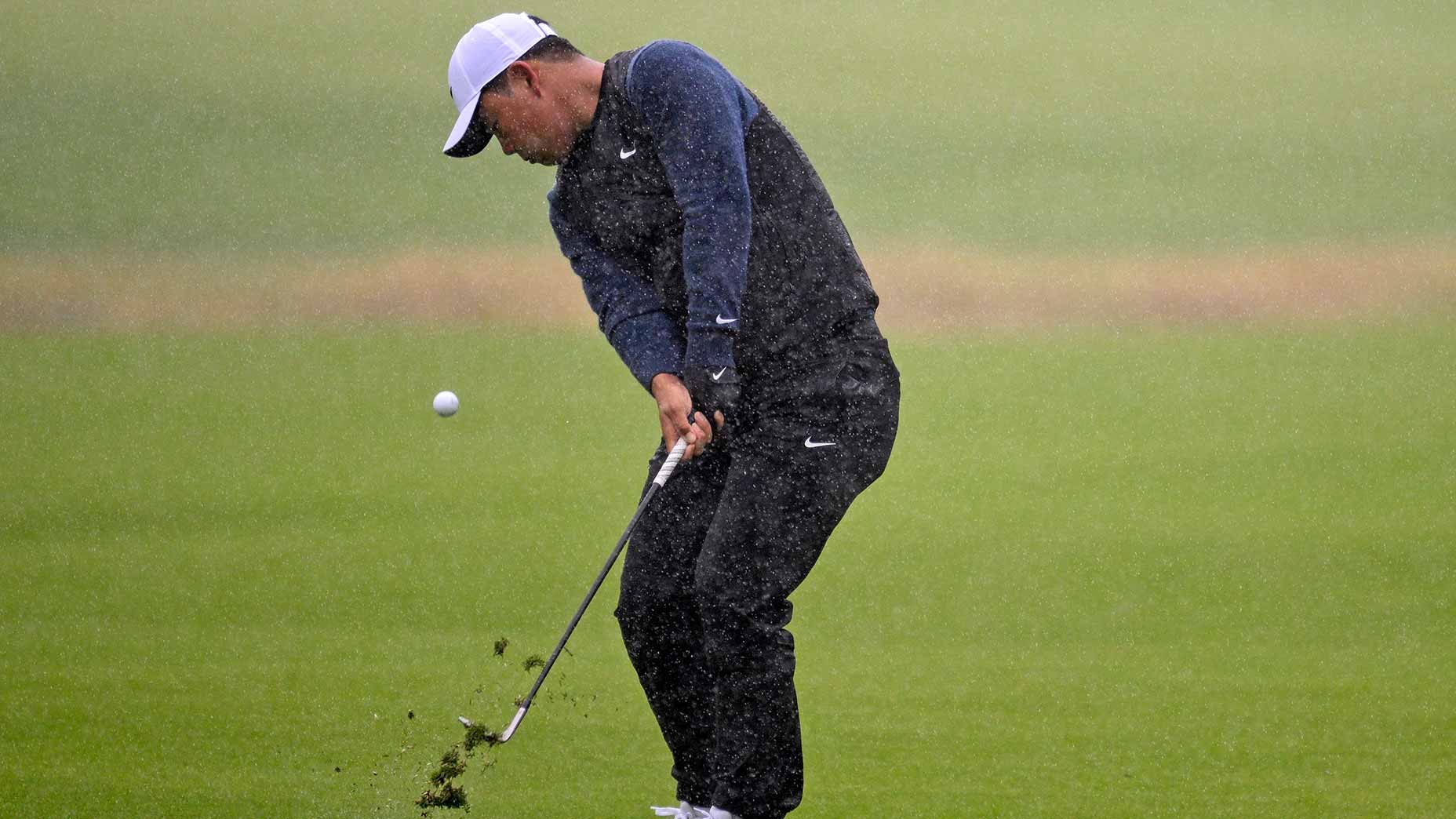

Welcome to Riviera, where the sun kisses the greens and the Pacific breeze whispers through the palms. But this week, at the Genesis Invitational, there’s been a different kind of buzz in the air, stemming from something far more grounding (literally!): the grass beneath our feet. For us lifestyle enthusiasts, it’s not just about what clubs the pros are swinging; it’s about understanding the subtle shifts that shape their performance, and how those insights can elevate our own game and appreciation for golf.
The star of the show, in a curious subplot, has been Kikuyu grass. If you’re like me, you might not give much thought to grass types on the golf course, but this week, it’s all anyone can talk about. And rightly so, because Kikuyu is a game-changer. As Vokey Tour rep Shane Dyel told GOLF via email,
“It doesn’t grow straight up like most grass does. It crosses and weaves on top of each other, which is a very unique way of the grass growing.”
This unique growth pattern, coupled with the heavy rains at Riviera, has created some fascinating challenges for wedge play. For the pros, it’s about adjusting their equipment and technique to ensure optimal spin and trajectory. For us, it’s a reminder that golf is played on earth, not a simulator, and conditions are always a factor.
Adapting Our Game to Nature’s Nuances
Think about the everyday golfer for a moment. How often do we consider the grass type when we’re out on the course? Probably not enough! This week’s discussion on Kikuyu is a brilliant reminder to pay closer attention to our environment. When the grass is lush or wet, like at Riviera, it can significantly alter how our clubs interact with the ball, especially around the greens. We might need to adjust our approach – perhaps opting for a slightly lofted wedge to get under the ball, or playing a bump-and-run instead of a high flop shot. It’s all part of the dance with nature that makes golf so endlessly captivating.
For the pros, these adjustments often come down to equipment. As Jack Hirsh noted,
“The Genesis Invitational is one of the busiest of the year for the Vokey Tour team in working with players to determine if they need to make a change.”
This tells us that even the slightest change in conditions can warrant a nuanced approach to club choice. While we might not have a full arsenal of wedge grinds in our bag, we can certainly learn from their meticulousness. Understanding how different grinds or bounce angles affect play in various conditions can empower us to make better choices about the wedges we carry and how we use them.
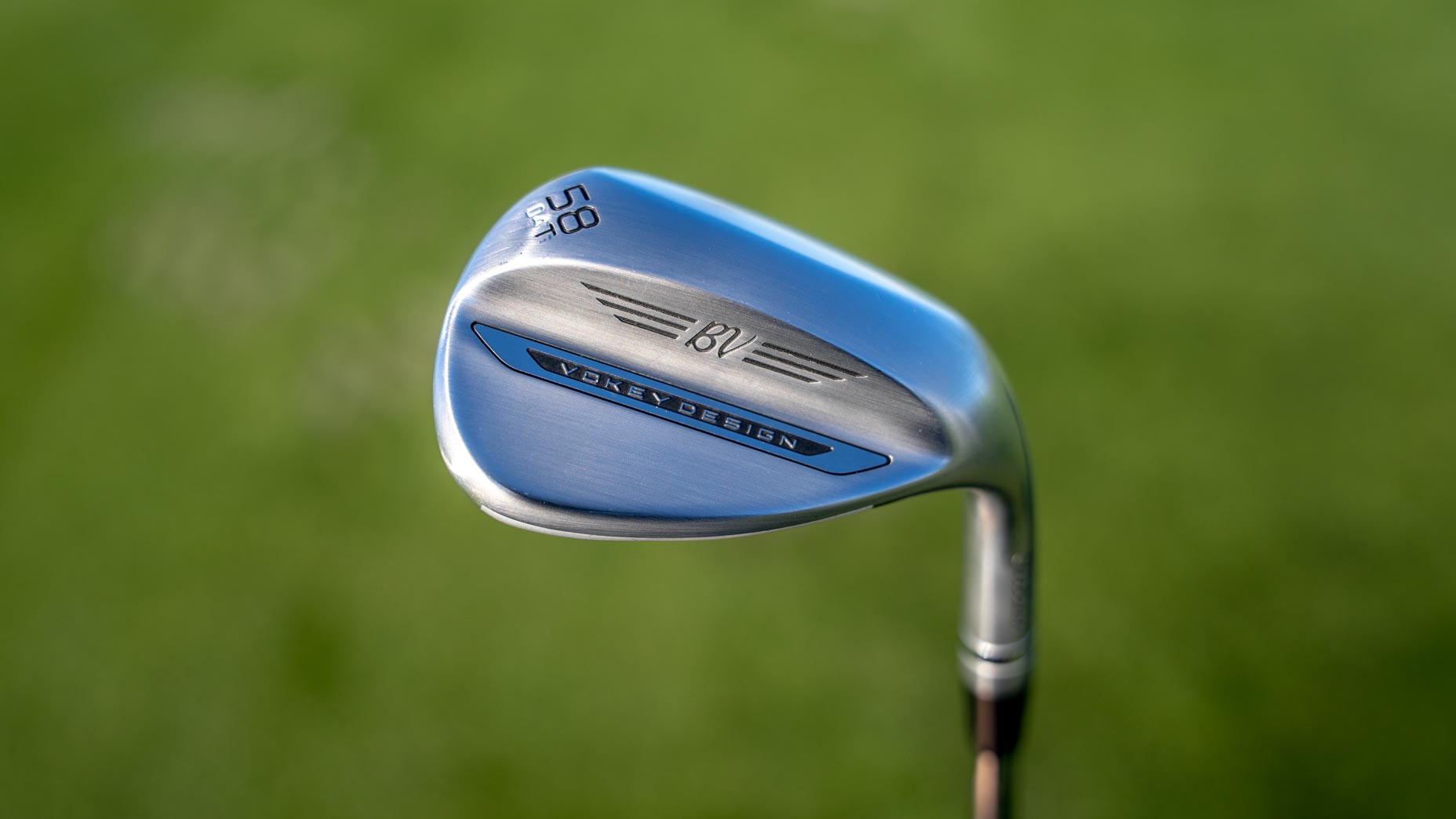
Titleist Vokey SM11 Tour Chrome Wedge
Titleist Vokey Design’s new SM11 wedges feature a new precise CG position across each grind in a loft, meaning every wedge will now perform the same way with the same strike.
The Human Element: Comfort vs. Optimization
Beyond the wedges, the putter talk at Riviera offered a fascinating glimpse into the psychology of professional golfers – and, frankly, ordinary golfers too. Maverick McNealy’s switch from a blade to a mallet putter is just the latest in a growing trend. It highlights a common struggle: sticking with what’s comfortable versus embracing what might be objectively better for your game. When Ludvig Åberg was asked why he still uses a blade putter, he simply stated,
“it’s all I’ve ever known.”
This perfectly encapsulates the comfort zone so many of us fall into. We get used to a certain feel, a certain look, and the idea of changing can feel daunting.
Yet, the examples of Scottie Scheffler and Rory McIlroy, who both famously made the switch to mallet putters and saw significant improvements, offer a counter-narrative. They acknowledged that their games needed a boost, and they were willing to experiment. I love McIlroy’s insight into practicing with a blade at home. It’s about honing feel and precision, knowing that the mallet will offer more forgiveness when it counts. It’s a savvy approach that speaks to a deeper understanding of one’s game and equipment.
Mav McNealy is the latest victim to have been Spidered.
He’s used various Odyssey Toulon blades his entire career and the one he was using recently he’s had since at least his rookie year. pic.twitter.com/U7NqO2DNPJ
— Jack Hirsh (@JR_HIRSHey) February 19, 2026
Tiger’s Wisdom: The Subtle Art of Putting
And speaking of wisdom, we simply must talk about Tiger Woods. His presence at Riviera, soaking in the action and interacting with players, felt like a grounding force. His conversation with Collin Morikawa about putter grips was pure gold. Tiger’s observation that
“It’s hard to shut it with that big of a grip, though,”
in reference to Morikawa’s oversized SuperStroke, was so telling. It cut to the heart of what many modern putter grip choices aim to do: minimize hand action. But Tiger, with his traditional slim grip, has always advocated for an active, feel-based stroke. Morikawa’s switch to a Golf Pride Tour Tradition, a slimmer grip, and Tiger’s approving smile, speak volumes about the timeless principles of touch and feel in putting.
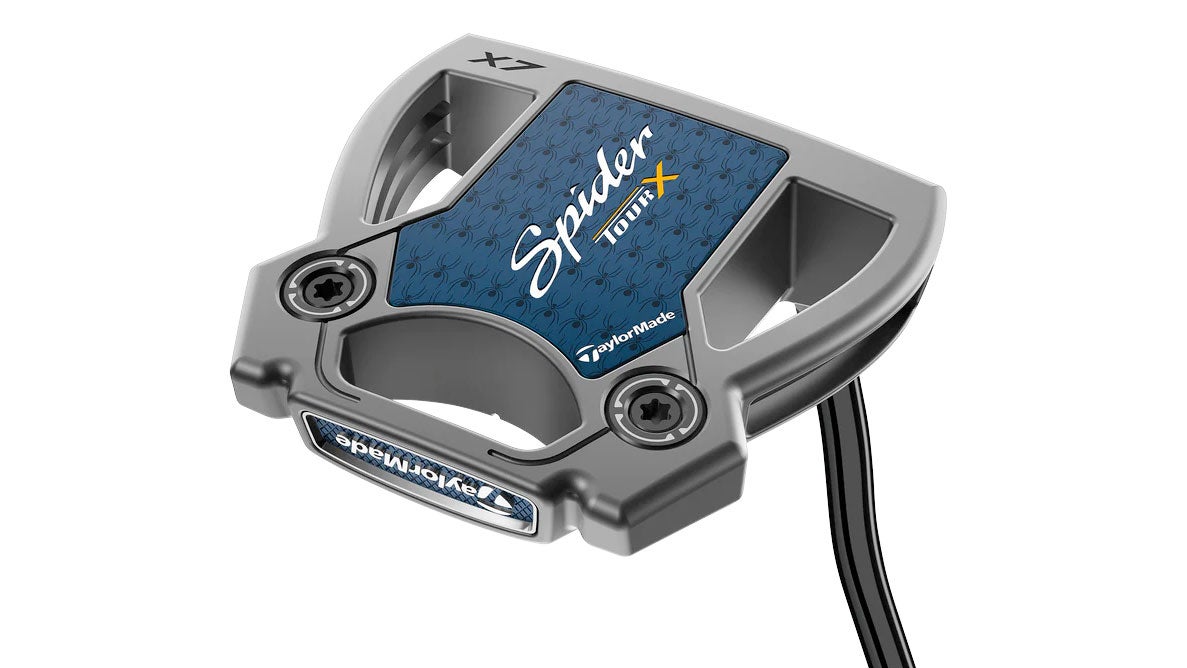
TaylorMade Spider Tour X Custom Putter
TRUE PATH ALIGNMENT The patented alignment system provides visual clarity and helps golfers better envision the line to the hole. WHITE TPU PURE ROLL INSERT Made from a combination of Surlyn and aluminum, the white TPU Pure Roll insert creates a softer feel. Grooves are angled at 45° to encourage optimal forward roll as well as better sound, feel and overall roll characteristics. The white insert also creates better symmetry with the white True Path alignment. THIN WALL UNDERCUT CONSTRUCTION We’ve engineered a super stable structure by removing excess weight to create high MOI and legendary Spider performance.
Actionable Takeaways for the Everyday Golfer
So, what can we, the everyday golfers, glean from all this tour-level insight?
- Embrace the Conditions: The next time you’re facing a tricky lie, don’t just groan. Take a moment to assess the grass, the moisture, and consider how you might adjust your club choice or swing. It’s a chance to learn and adapt, just like the pros.
- Experiment with Equipment (Responsibly): You don’t need a tour truck follow you around, but if you’re struggling with your putting, perhaps borrowing a friend’s mallet or trying a different grip size at the pro shop could offer a fresh perspective. Sometimes a small change can make a big difference in confidence and results.
- Focus on Feel: Tiger’s emphasis on an active stroke reminds us that golf is a game of feel. Spending time on the practice green, focusing on the connection between your hands, the putter, and the ball, can build intuition that no tech can replicate.
- Stay Curious: The pros are constantly testing and refining. That spirit of curiosity and continuous improvement is something we can all integrate into our golf journeys. Watch what they do, read up on the latest gear, and most importantly, understand the ‘why’ behind their choices.
The Genesis Invitational, with its tricky Kikuyu and fascinating gear discussions, reminds us that golf is a deeply human game. It’s about adapting to nature, embracing change, and finding what feels right for *your* game. Here’s to a season of more mindful golf, on and off the course!
Lots of talk about wedge grinds this week with the wet Kikuyu grass at Riviera, but it turns out, Marco Penge was one of the only players to change grinds in his Vokey wedges.
He went from an SM11 .04T-Grind to a wider K*-Grind.
Something worked well because he opened with a… pic.twitter.com/HLU2qWs2k
— Jack Hirsh (@JR_HIRSHey) February 20, 2026
;)
Jack Hirsh/GOLF
Ludvig Åberg made a sneaky gear change in the offseason, transitioning into a new @odysseygolf #1 putter with less loft, to get a better roll.
He was also testing a @ScottyCameron prototype mallet at Riviera.
Åberg is one of five players in the top-25 of the OWGR to use a blade. pic.twitter.com/S3XCwVKwdR— Alistair Cameron (@ACameronPGATOUR) February 19, 2026

Cobra 3DP Tour Custom Irons
The KING 3D Printed TOUR irons utilize 3D printing technology to unlock a new realm of performance. Their one of a kind design features the most forgiving blade shape on the market, delivering the forgiveness that aspirational players need, and the sleek looks and soft feel that better players desire.
3D PRINTED STEEL CONSTRUCTION
Each iron is fully 3D printed from 316 stainless steel. 3D printing provides significant advantages over traditional methods of casting and forging, unlocking more design freedom and significant performance improvements.
FORGIVING PLAYERS BLADE SHAPE
3D printing has unlocked new design possibilities, enabling COBRA engineers to create a compact blade shape with the mass properties (high MOI, low CG) of a game improvement iron without sacrificing looks and soft feel that better players demand.
INTERNAL LATTICE STRUCTURE
COBRA took a muscle-back blade shape (similar in size and shape to the KING TOUR iron), and transformed the inside of the blade into a complex internal lattice structure to reduce the weight of the club by 33%. That discretionary weight was repositioned to optimize feel, CG position, and MOI.
