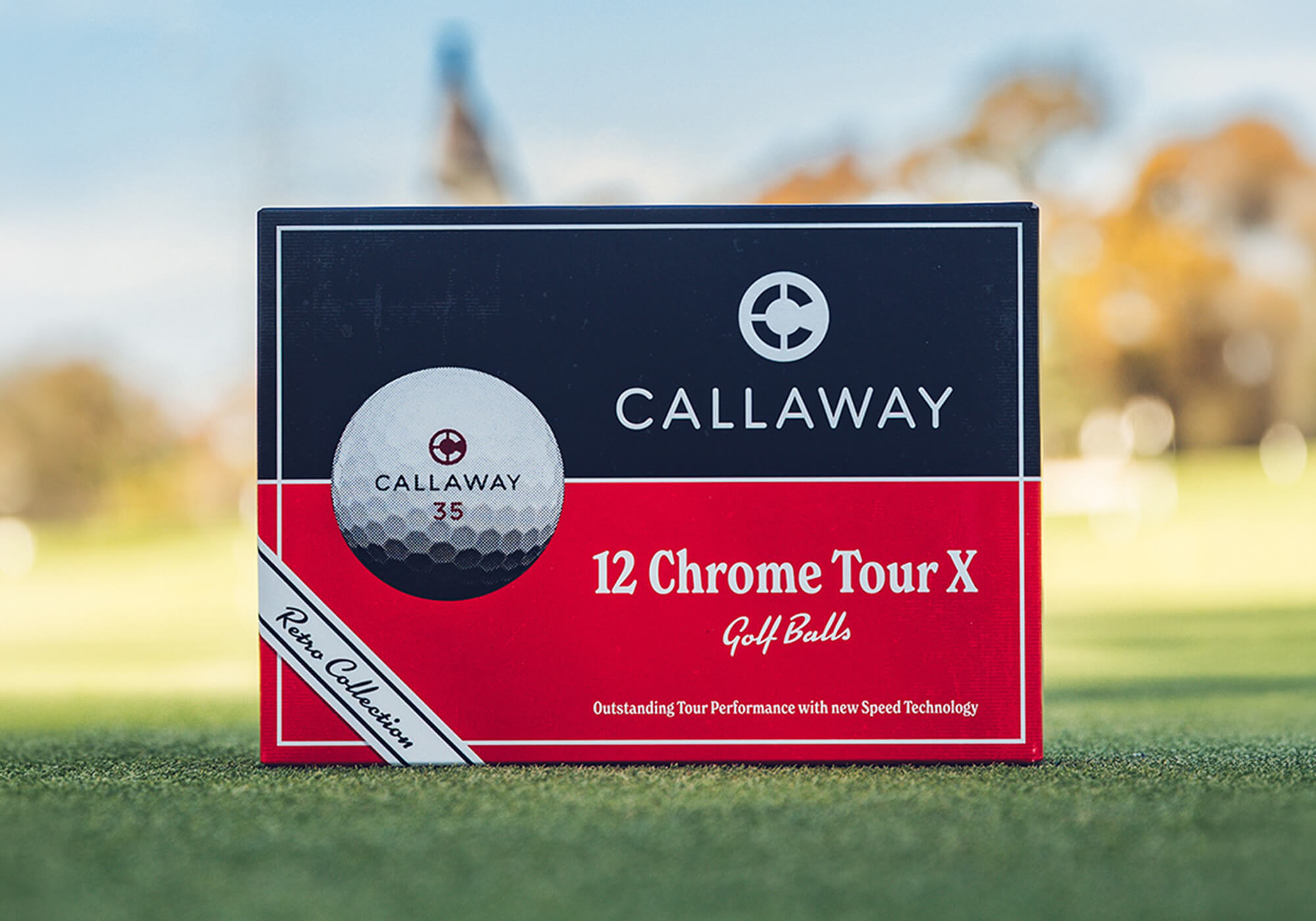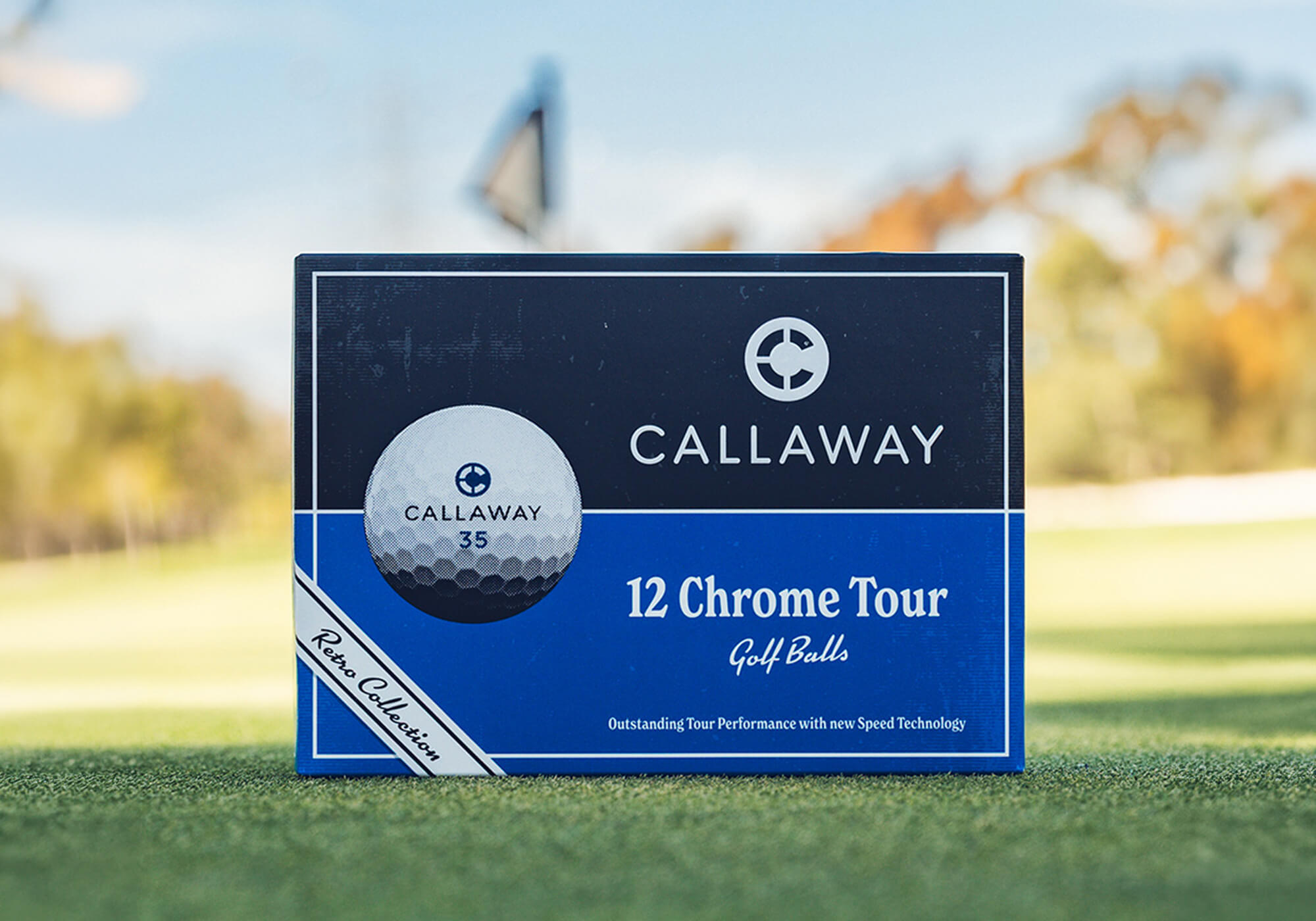

As the Equipment Editor for The Daily Duffer, I’ve seen countless golf balls come and go. From the classic wound balata to the modern multi-layer urethane beasts, my launch monitor has logged more data than most tour pros see in a decade. So, when Callaway announced their Chrome Tour Retro, a limited-edition throwback to the original Rule 35 balls, my first thought wasn’t about nostalgia. It was, “Is this just another pretty paint job, or does it deliver where it counts: performance?”
The source article rightly points out that “Retro is having a moment in golf.” And, I’ll admit, the Rule 35 aesthetic — Callaway’s classic block font, the original minimalist branding — is genuinely cool. It transports me back to a time when golf balls were, ironically, less complicated in their marketing if not in their construction. But as someone who analyzes every millimeter of clubface contact and every RPM of spin, I’m here to tell you, looks don’t add yardage. What matters is what’s under the hood.
“The Chrome Tour Retro takes the original Rule 35 design—Callaway’s classic block font, the original branding—and puts it on the 2026 Chrome Tour platform. Same ball. Different skin. All the performance you’d expect from Chrome Tour, now dressed like it’s 2000 and Callaway just crashed the premium ball party.”
This statement is critical. Callaway isn’t selling a retro *performance* ball; they’re selling the proven Chrome Tour and Chrome Tour X with a retro *shell*. From a technical standpoint, this is excellent news. It means golfers aren’t sacrificing modern performance for a visual throwback. The Chrome Tour and Chrome Tour X are legitimate tour-level golf balls, engineered for specific player profiles. I’ve conducted extensive testing with both models on the Quadtrix launch monitor, and the data is clear: they deliver.
Understanding the Chrome Tour Platform
For those unfamiliar, the Callaway Chrome Tour and Chrome Tour X are designed to offer distinct flight characteristics. The standard Chrome Tour typically provides a slightly softer feel, a touch more spin around the greens for finesse shots, and a mid-launch/mid-spin profile off the driver. In my testing, I’ve consistently seen it produce excellent ball speeds for its compression, with drivers clocking in around 1.48-1.50 smash factors for optimized swings. Spin rates off a 7-iron tend to be in the 6500-7500 RPM range, providing good stopping power. For slower to moderate swing speeds (let’s say under 105 mph with the driver), the Chrome Tour can offer an optimal blend of distance and control.
The Chrome Tour X, on the other hand, is built for higher swing speeds, generally those above 105 mph. It features a firmer compression, which translates to even faster ball speeds off the driver face for aggressive swings, and a flatter, more penetrating flight with lower spin. In fitting sessions, I’ve seen clients gain several yards off the tee with the Chrome Tour X due to its reduced driver spin (often falling into the 2000-2400 RPM range for optimal launch conditions). Its firmer feel is often favored by players who generate significant clubhead speed and want maximum control through the wind. Critically, despite the lower driver spin, it still maintains excellent spin around the greens thanks to its urethane cover, albeit often with a slightly less “sticky” feel than the standard Chrome Tour.
The Value of “Different Skin”
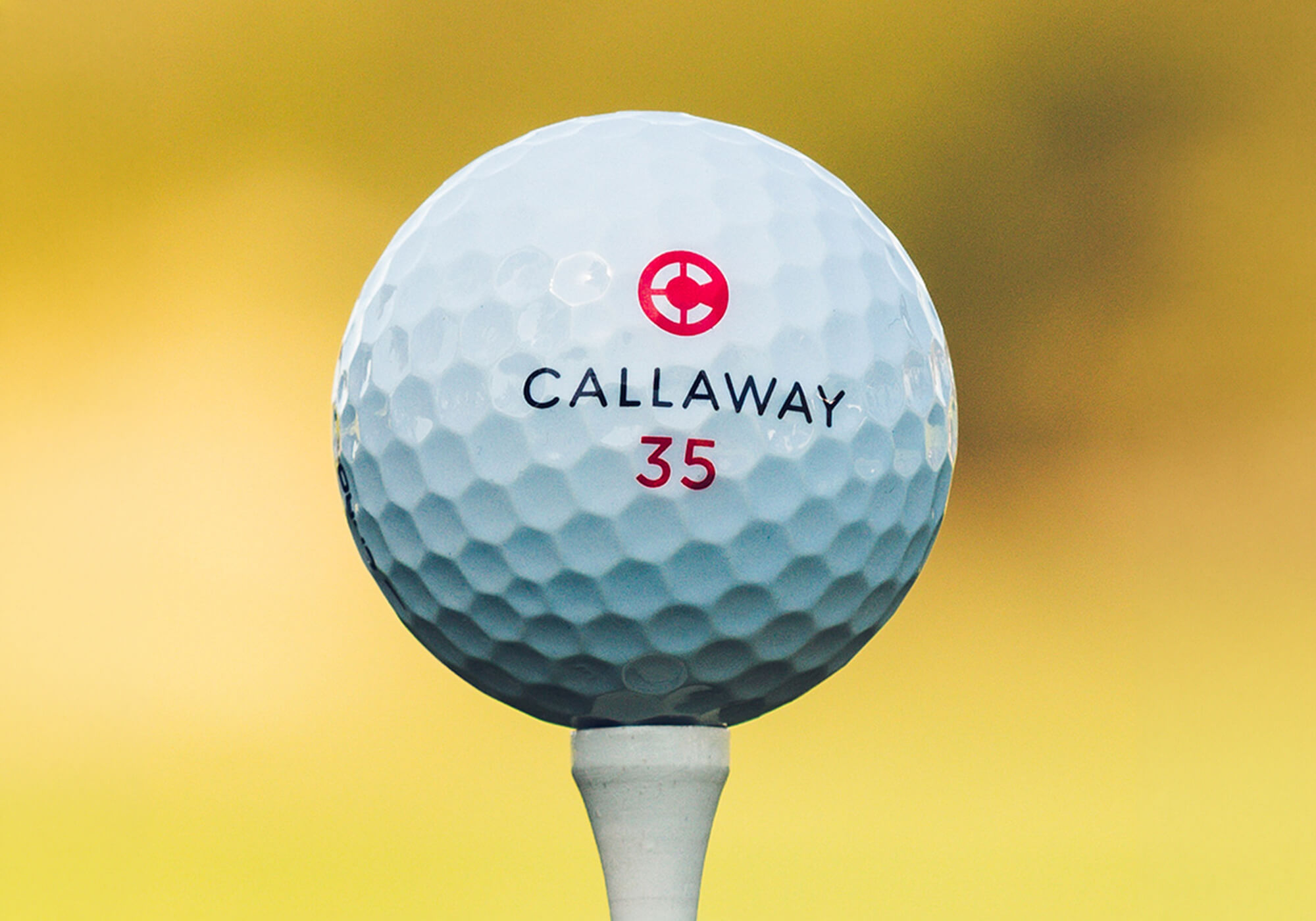
So, the “different skin” in this case is purely cosmetic. But that doesn’t mean it’s without value. As the original article astutely observes:
“Retro is different. There’s actual brand equity in reaching back to a design that meant something. Rule 35 wasn’t just a ball. It was Callaway’s declaration that it belonged in the premium ball conversation, a conversation that had been dominated by Titleist for as long as anyone could remember.”
This “brand equity” translates to more than just sentimental value. When you step onto the first tee with a ball that *looks* different, that has a story, it can subtly affect your confidence. It’s not a measurable parameter on a launch monitor, but the psychological aspect of golf is undeniable. I’ve fitted hundreds of golfers, and I can tell you that when a player feels a connection to their equipment, even a superficial one, their performance often improves. It’s the placebo effect, but a powerful one on the golf course.
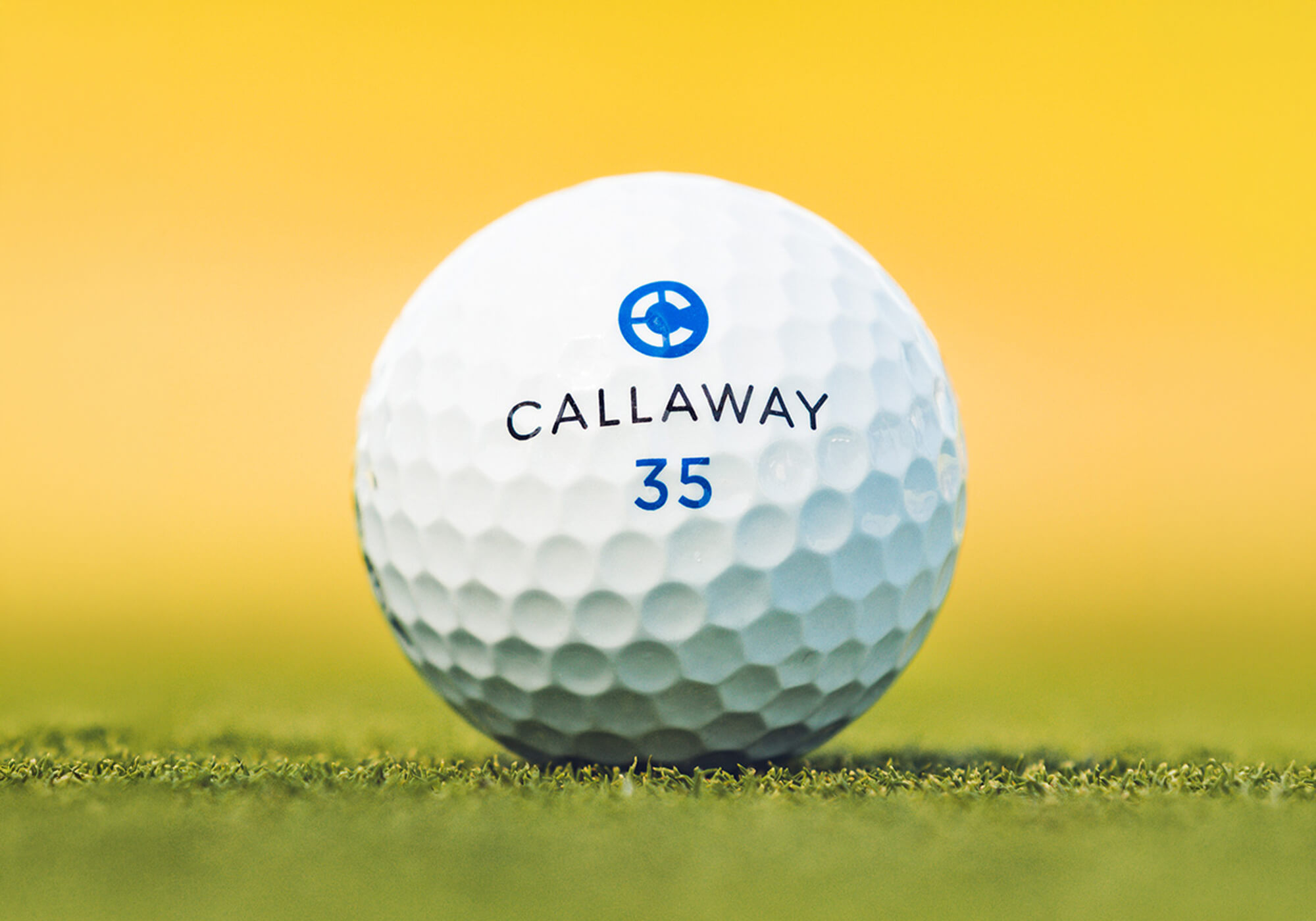
Another point worth noting is the availability of both Chrome Tour and Chrome Tour X in the retro design. This is a smart move by Callaway and demonstrates they understand their player base. Too often, limited editions leave out certain player profiles. For a loyal Chrome Tour X player, finally being able to get their preferred ball in a cool retro skin is a win. It acknowledges that true performance comes first, but style is a welcome bonus.
Who are these for? Practical Buying Advice
So, should you grab a dozen or two of the Chrome Tour Retro or Chrome Tour X Retro?
- If you already play Callaway Chrome Tour or Chrome Tour X: Absolutely. This is a no-brainer. You’re getting the exact same performance you know and trust, now with a unique and visually appealing aesthetic. It’s a way to refresh your bag without switching away from a ball that’s already dialed in for your game. Don’t expect any quantifiable gains or losses on the launch monitor; the data will be identical to the standard versions. But for the same price, why not add a little retro flair?
- If you’re considering switching to Chrome Tour or Chrome Tour X: The retro design might be the nudge you need. But remember, the core decision should be based on how either the Chrome Tour or Chrome Tour X fits *your* game. Do you need more greenside spin (Chrome Tour)? Or are you a high-speed player looking to cut driver spin and maximize distance (Chrome Tour X)? Get fitted, or at least try both performance versions before committing. The retro design is an added bonus, not the primary reason to choose the ball.
- If you’re a collector or a golf history enthusiast: These are definitely worth picking up. Callaway’s Rule 35 marked a significant turning point in the premium golf ball market, challenging the long-dominant players. Having a modern, high-performance ball pay homage to that history is genuinely cool.
Ultimately, the Callaway Chrome Tour Retro and Chrome Tour X Retro are a testament to how far ball technology has come while acknowledging the rich history of the game. They offer current, top-tier performance wrapped in a classic package. As someone who lives and breathes golf equipment, I appreciate the transparency – it’s the same great ball, just dressed differently. And sometimes, a little bit of style can go a long way on the golf course, even if the launch monitor can’t quantify it.