

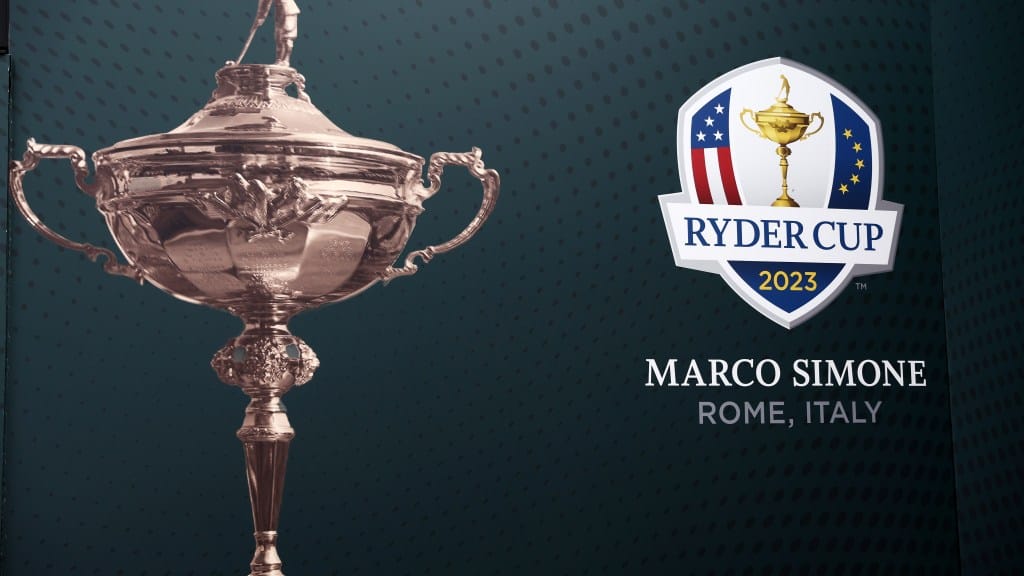

The controversy surrounding the ticket prices for the 2025 Ryder Cup has sparked outrage among golf fans and commentators alike. At a staggering $749 per day, many feel they are being priced out of attending the event, which goes against the ‘grow the game’ mandate of the organizers and the municipal ethos of the venue. Even players competing for the U.S. team may be questioning their meager $200,000 charitable donation in their names, especially considering the significant revenue generated by the event.
Organizers seem confident that the market will support the high ticket prices, and the event will ultimately sell out. However, the PGA of America could potentially alleviate financial strains by selling the Ryder Cup altogether. Given the dwindling audience for men’s professional golf and the uncertain media rights landscape, a sale could provide a substantial endowment to fund championships and support the organization’s objectives in perpetuity.
The Ryder Cup could potentially fetch billions of dollars at sale, which would greatly benefit the PGA of America’s members and championships. While there may be internal resistance to selling due to pride and legacy, retaining ownership of the event may not be feasible in the long run. The PGA of America’s governance structure, led by officers with parochial concerns, may pose a significant obstacle to selling the event.
Defending the high ticket prices, the Ryder Cup championship director Bryan Karns emphasized that the revenue generated helps the PGA of America’s 30,000 members grow the game at the grassroots level. However, a substantial endowment from a sale could make this mission more sustainable and less dependent on volatile market conditions. With the troubled state of men’s golf, the next CEO of the PGA of America will face tough decisions on how best to ensure the organization’s longevity and ability to serve its members and mission.
Overall, selling the Ryder Cup could potentially secure the PGA of America’s future for the next century. By capitalizing on the event’s current value and leveraging private equity investment, the organization could ensure long-term financial stability and support for its championship events and members. Ultimately, the decision to sell the Ryder Cup may be a necessary step to safeguard the PGA of America’s legacy and mission in the face of evolving challenges in the golf industry.
