

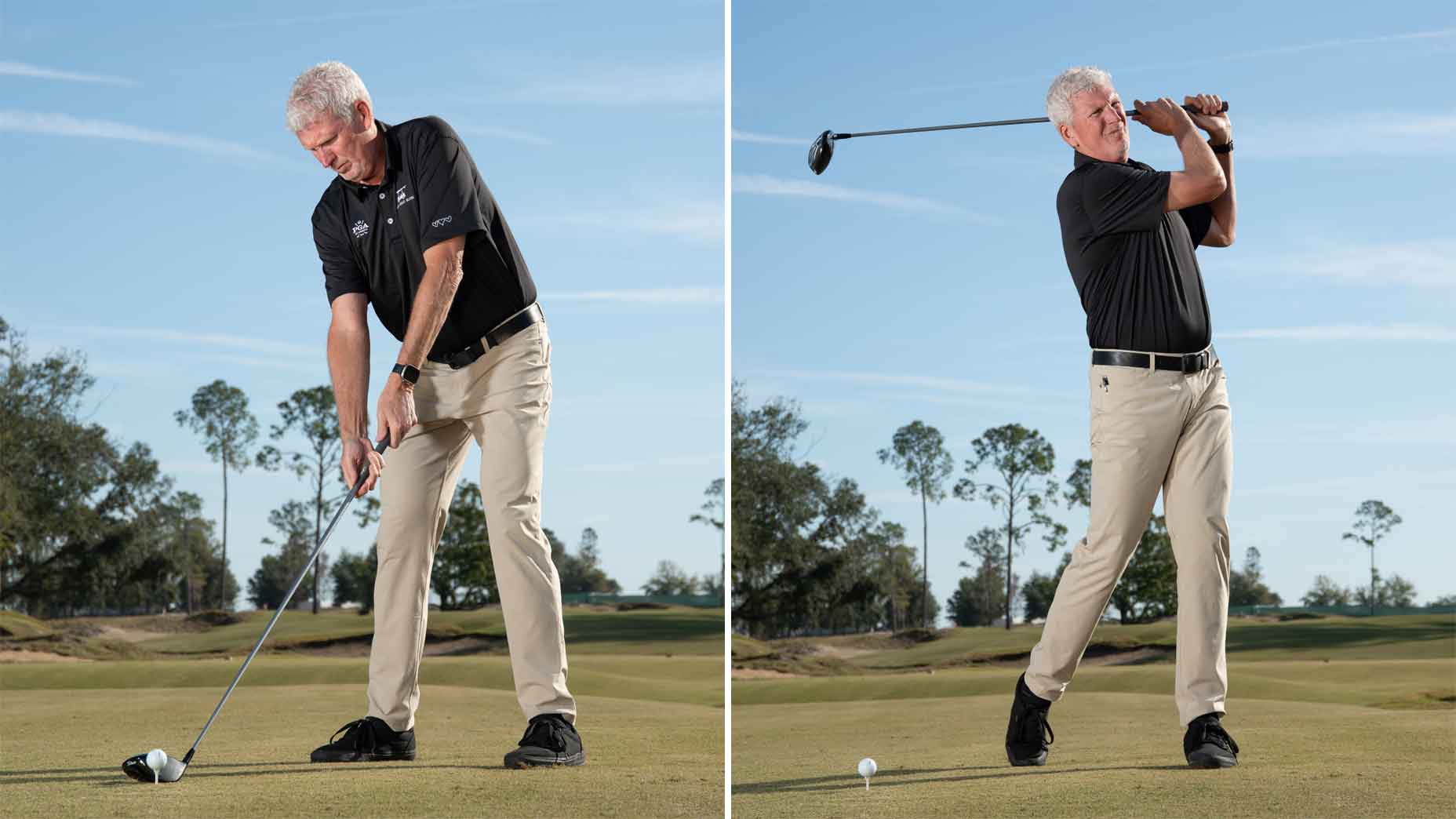

As a lifestyle editor, I’m always looking for ways to bridge the gap between the pursuit of excellence on the course and the well-being of the golfer off it. We all crave that effortless swing, that feeling of pure contact, and the satisfying thwack of a perfectly struck ball. But sometimes, in our quest for power and distance, we forget a fundamental truth: control is king. It’s not just about how far you hit it; it’s about where it lands.
I’ve noticed golfers, myself included, can get a little obsessed with raw power. The allure of launching a ball into the stratosphere is undeniable, but what good is a 300-yard drive if it sails into the next zip code? This sentiment resonates deeply with the core of our game, and it’s a lesson that extends far beyond the tee box. In life, as in golf, balance is key. You can have all the ambition in the world, all the energy, but without a steady hand and a clear vision, those aspirations can quickly go astray.
The pursuit of accuracy, especially with the driver, is where many of us stumble. We grip it tighter, we swing harder, and sometimes, our hands and wrists take over, trying to muscle the ball into submission. This can lead to that common (and frustrating) phenomenon: a clubface that’s just a few degrees off, turning a potential birdie opportunity into a scramble from the rough.
GOLF Top 100 Teacher Joe Hallett offers a brilliant, yet surprisingly simple, solution to this dilemma, and it’s a technique that I believe offers a fantastic metaphor for approaching challenges both on and off the course.
The Power of the Split Grip: Finding Your Center
Imagine you’re standing on a tight driving hole, one where precision is paramount. Instead of your usual practice swing, Hallett suggests something different. He advises grabbing the club and taking a split grip—hands separated on the shaft—and then making your practice swing. It might feel a little awkward at first, but the results, he promises, are immediate.
“It’ll be really hard to overly flip your wrists and hand through impact,” Hallett says.
This simple adjustment forces a fundamental shift. Instead of relying solely on the smaller muscles in your hands and wrists for speed, the split grip encourages your entire body to work in harmony with the club. It’s a beautiful illustration of how sometimes, stepping back and making a slight, intentional change can lead to a more profound and effective outcome. It’s about letting your core do the work, grounding your movements, and stabilizing your focus.
I find this particularly compelling because it speaks to a broader wellness principle: connecting with your body. Often, in our fast-paced lives, we function from the neck up. But the golf swing, like a mindful yoga practice or a well-executed dance, demands full-body engagement. The split grip isn’t just a golf hack; it’s a reminder to bring our larger, more powerful muscles into play, to find that synchronicity that leads to effortless power and control.
This technique champions a holistic approach to golf, moving away from relying on isolated, small muscle movements that can be prone to error, and towards engaging the stability and power of the entire physique. It promotes a more fluid, integrated swing, which isn’t just better for your score, but also for preventing injury over time – a crucial aspect of golf longevity and wellness that I’m always addressing.
Ultimately, the split grip is about smart golf, not just hard golf. It’s about working smarter, not just harder. This echoes so many lessons we try to integrate into our daily lives, from optimizing our fitness routines to structuring our workdays. We’re constantly seeking that sweet spot where effort meets efficiency, where intention leads to impactful results.
“Split the grip, and you’ll split the fairway,” Hallett says.
And isn’t that what we all aspire to? To split the fairway, metaphorically and literally, in whatever we pursue? Whether it’s navigating a challenging business decision, tackling a new fitness goal, or simply enjoying a round with friends, the ability to control our trajectory and stay on course is invaluable.
So, the next time you find yourself battling with your driver, or perhaps struggling to maintain focus in another area of your life, remember Joe Hallett’s simple advice. Take a moment, reset your grip, and engage your whole self. It might just be the simple, mindful adjustment you need to bring your biggest muscles into play and find that perfect line.
Practicing the split grip, even for a few swings before your round, can help you internalize the feeling of a stable clubface and a body-driven swing. It’s a quick, actionable takeaway that can translate to greater accuracy, less frustration, and ultimately, more enjoyment on the course. And after all, isn’t enjoyment the ultimate goal of this beautiful game we call golf?

Sign up for GOLF Schools Today
Improve your game with GOLF Top 100 Teachers.
