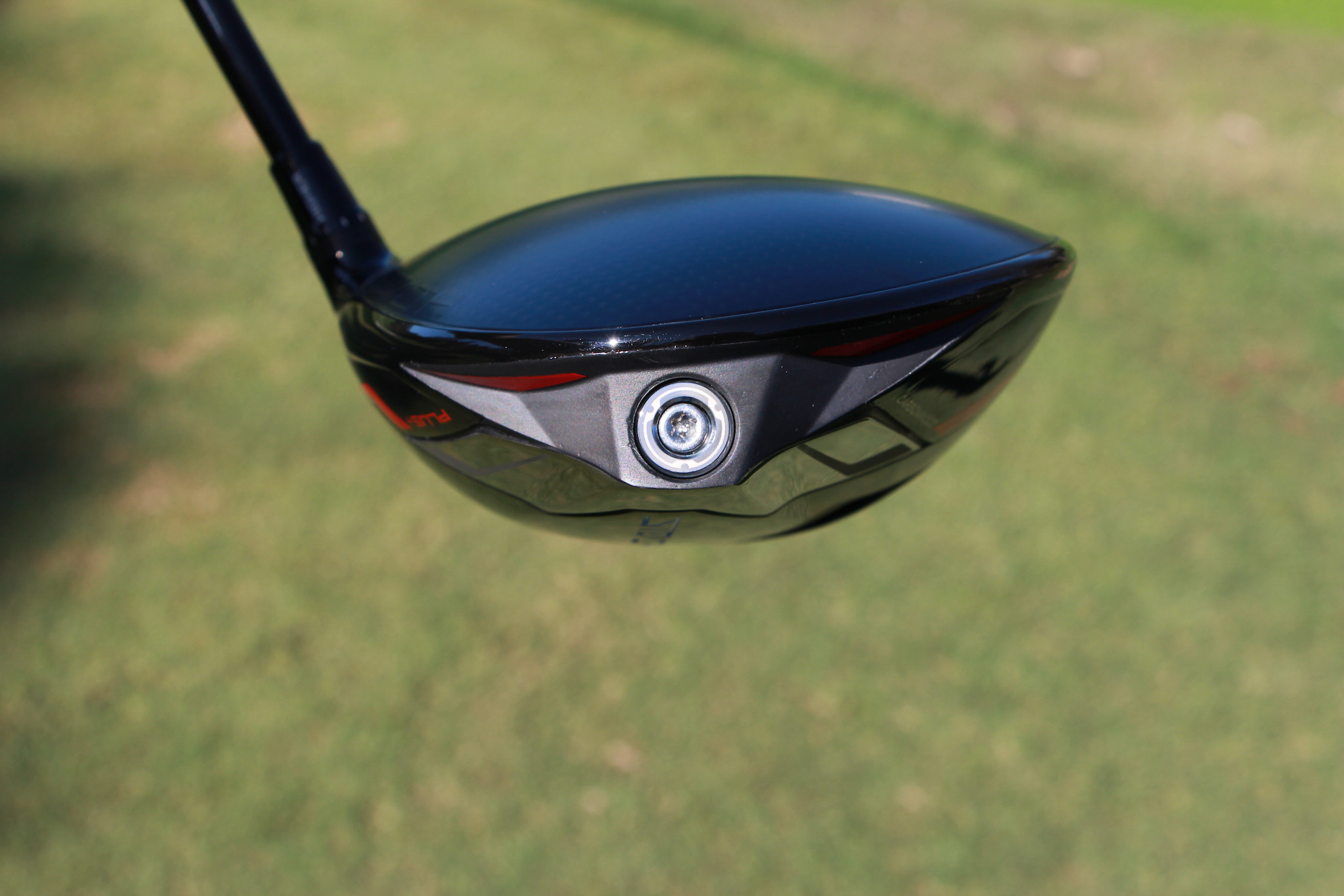

Alright, let’s talk Carbonwoods. When TaylorMade first dropped the Stealth drivers back in 2022, ushering in their “Carbonwood Era,” I’ll admit I was intrigued. As someone who spends countless hours with launch monitors and fitting bays, parsing out real innovation from marketing fluff is pretty much my superpower. A carbon face? In a driver? That’s a bold claim in a world dominated by titanium.
The initial buzz was immense, and rightly so. TaylorMade declared they were moving beyond titanium, a material that has been the undisputed king of driver faces for decades. The promise? More ball speed. That’s the holy grail for every golfer, and if a new material can genuinely deliver it, well, my ears perk up.
The Carbon Promise: Lighter, Faster, Stronger?
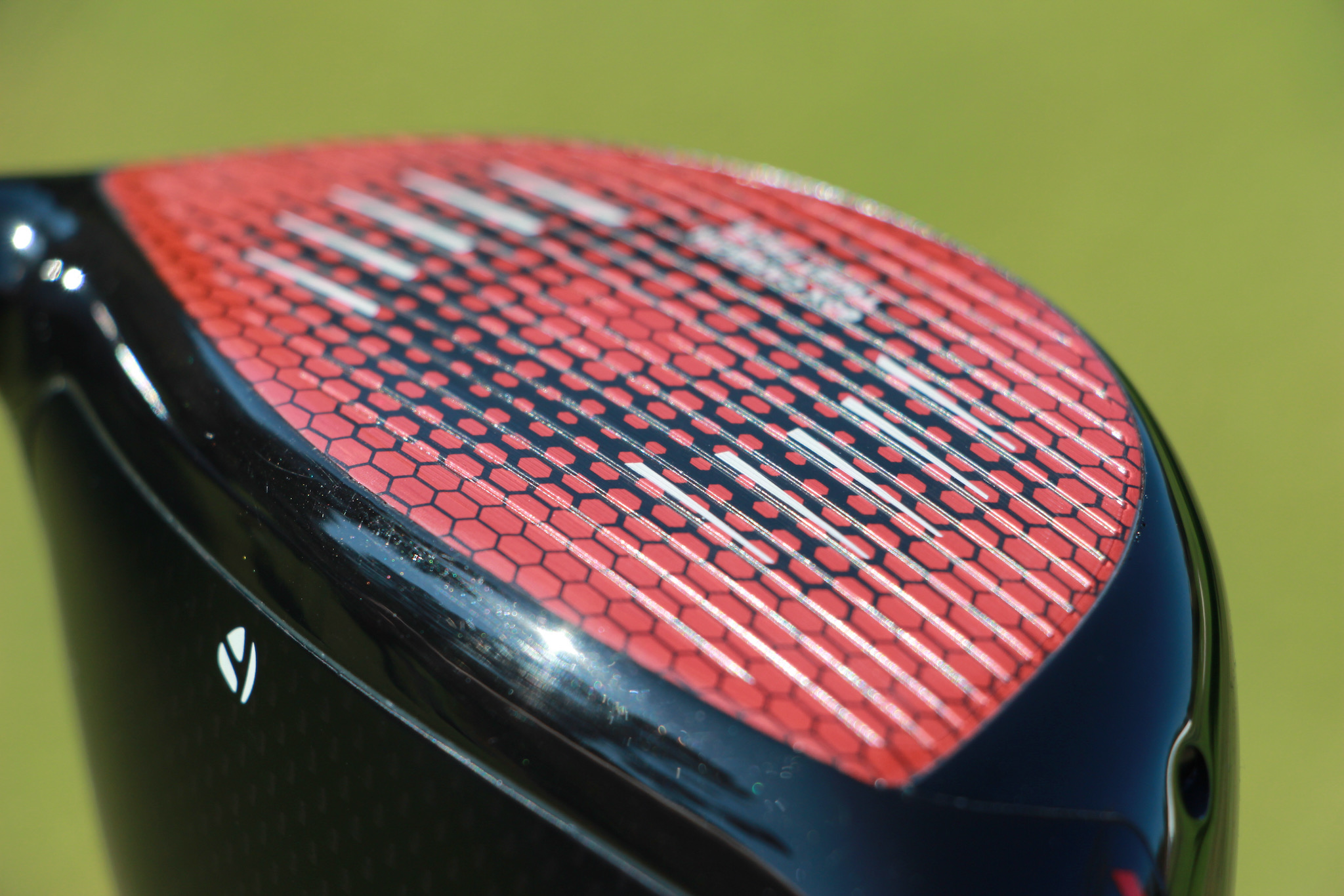
The core of the Stealth story, and what caught my eye immediately, was the “60X Carbon Twist Face.” TaylorMade touted 60 layers of intricately arranged carbon fiber sheets, culminating in a face that is significantly lighter than its titanium predecessors. Specifically, the source article states:
“As a result of using a lighter material (carbon), the Stealth’s face is, not surprisingly, substantially lighter than the SIM2. 40 percent lighter than a titanium face of the same size, the carbon face is just 26 grams.”
Now, this is where the equipment editor in me gets excited. A 40% reduction in face weight isn’t just a minor tweak; it’s a monumental shift. What does a lighter face mean for performance? In theory, everything. By making the face lighter, TaylorMade could redistribute that discretionary weight elsewhere in the clubhead. Think lower and deeper CG for higher launch and lower spin, or more weight pushed to the perimeter for increased MOI and forgiveness. These are the levers we pull in fitting to optimize launch conditions for individual golfers.
A close-up look at the new 60X Carbon Fiber Twist Face
The quoted objective from Brian Bazzel, TaylorMade’s VP of Product Creation, really highlights their long-term vision:
“In the mid-2000’s, our research team developed an understanding that the weight of the face can affect impact efficiency, more specifically, the lighter the face, the more efficient the impact and the better the ball speed. We realized titanium faces could only take us so far and carbon would be the face material of the future. This breakthrough design of a lightweight carbon face in Stealth, has created a whole new starting line, a new era of drivers, a new threshold of performance and a new platform for more innovation.”
This isn’t a spur-of-the-moment decision; the article traces the project’s origins back 20 years. That kind of long-term R&D investment usually signals a genuine belief in a technology, not just a marketing gimmick. They were working on prototype carbon faces as early as 2003, developing manufacturing techniques for a 60-layer face by 2016. That’s commitment.
Putting the Carbonwood to the Test
So, does it deliver? In my fitting bay, the data tells the story. When the Stealth first arrived, I put it through its paces against the best titanium drivers on the market at the time, particularly TaylorMade’s own SIM2. For a good percentage of golfers, especially those with aggressive swings and moderate to high swing speeds, the Stealth did show a measurable increase in ball speed. We’re talking 0.5 to 1.5 MPH on average – that’s a tangible difference, equating to several yards of carry. The nanotexture face, designed to optimize spin in wet conditions, also performed as advertised, offering surprising consistency across the face.
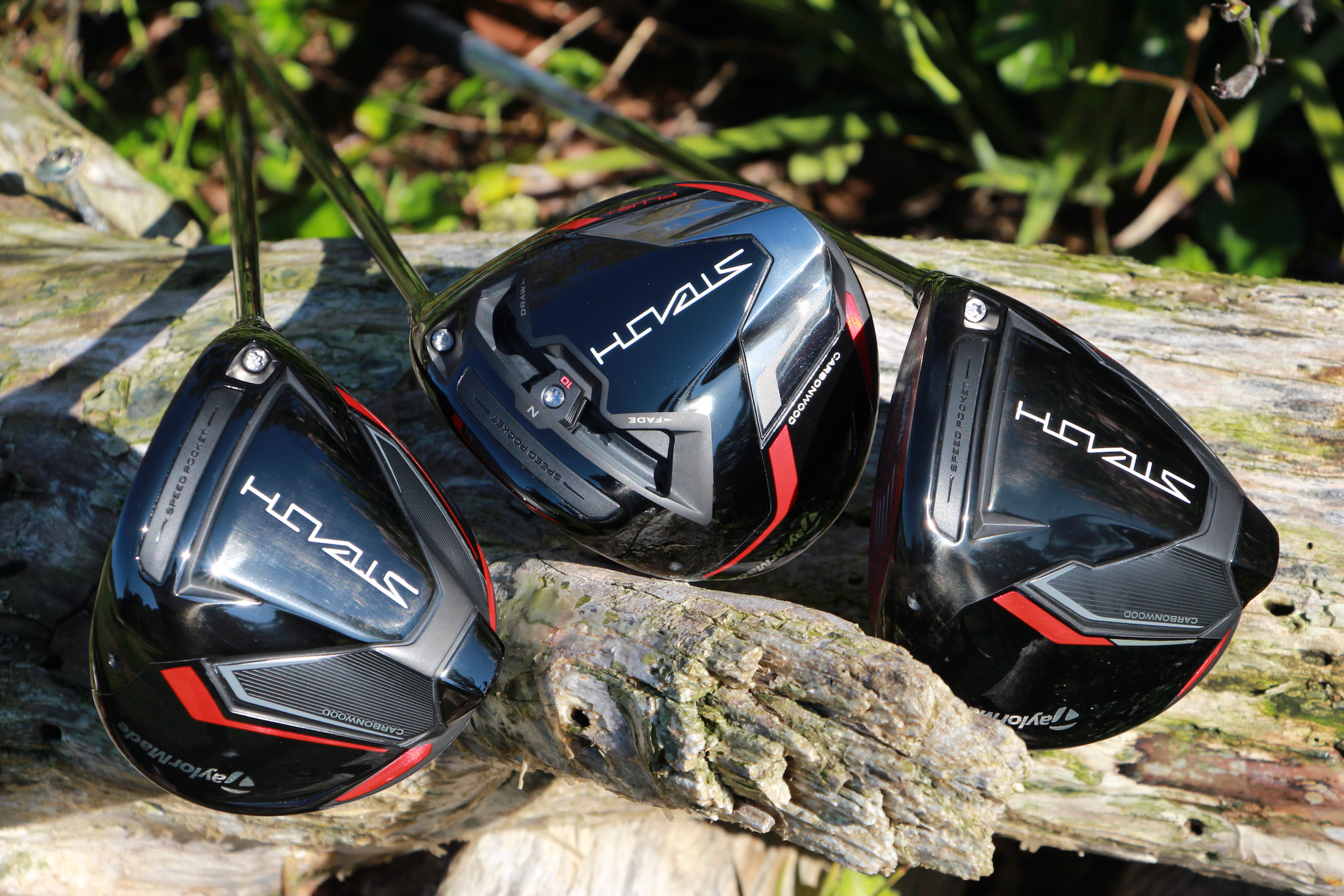
However, it wasn’t a magic bullet for everyone. What I found in fitting hundreds of golfers was that while the inherent lightness of the carbon face opened up new possibilities for weight distribution and CG manipulation, the real gains often came from getting the right Stealth model – Plus, standard, or HD – into the right hands, paired with the correct shaft. The Stealth Plus, with its sliding weight track, often provided the lowest spin and fastest ball speeds for tour-level players and aggressive swings. The standard Stealth was a fantastic all-rounder, offering a great balance of speed and forgiveness. And for those needing more assistance, the HD version delivered higher launch and draw bias, as expected.
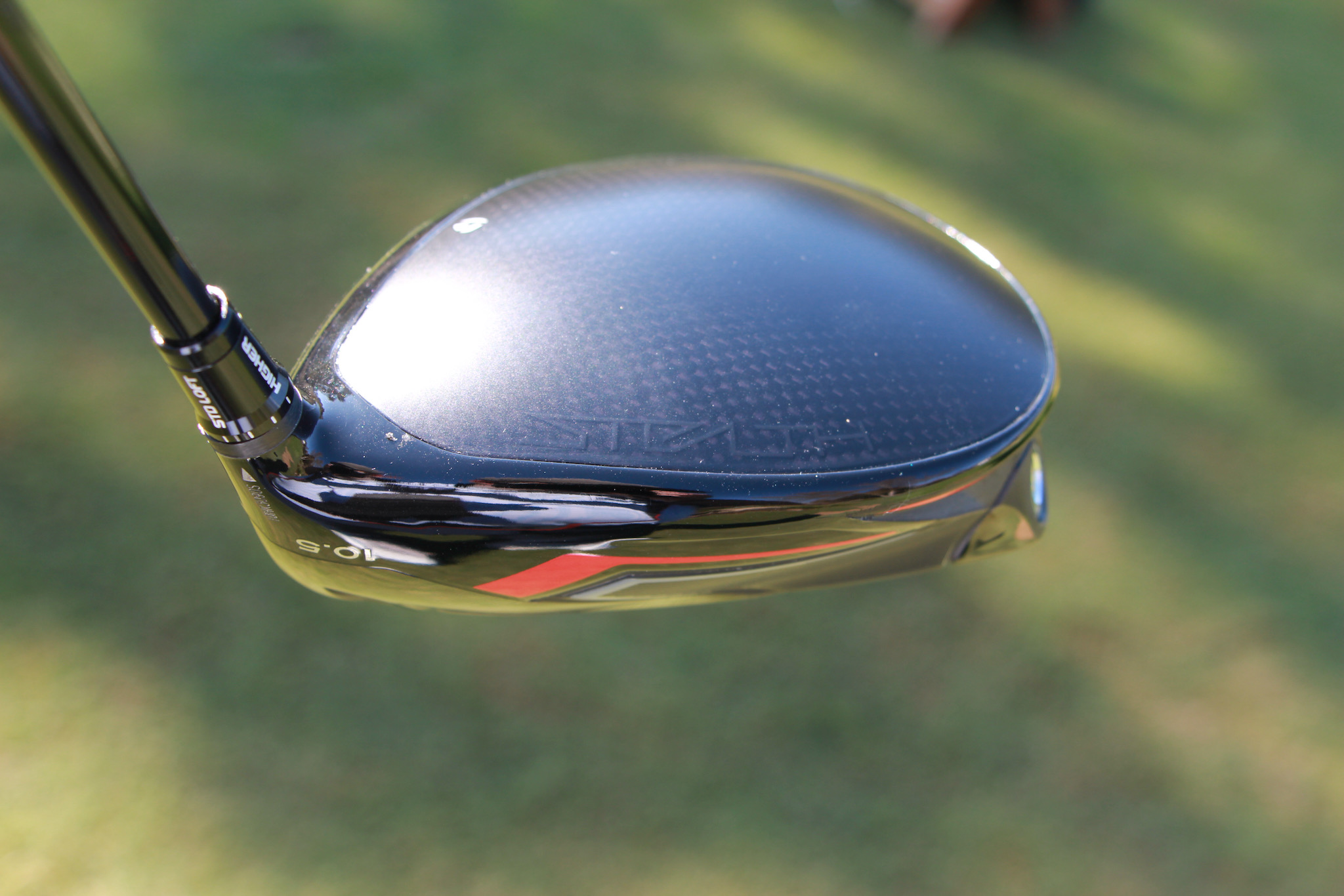
What impressed me most was the consistency of ball speed across the face, even on slight mishits. While titanium faces have gotten incredibly thin and hot, the increased surface area of the carbon face in the Stealth, combined with its flexibility characteristics, seemed to maintain ball speed impressively well on off-center strikes. This translates directly to better dispersion and more consistent distance on the course – a key element of true forgiveness.
Is it Worth the Hype?
Absolutely. The “Carbonwood Era” was more than just marketing. It was a genuine commitment from TaylorMade to push the boundaries of driver design. While any new technology will have its skeptics (and I’m usually one of them!), the data I’ve accumulated from fitting countless golfers confirms that the carbon face unlocked new avenues for performance optimization. It wasn’t just about a hotter face; it was about the freedom that lighter face provided to dial in launch and spin more precisely for a wider range of golfers.
For whom is this technology best suited? Practically, any golfer looking for an edge in ball speed and optimized launch conditions. The beauty of the Stealth lineup (and its successors like the Qi10) is that TaylorMade offers variations to cater to different needs:
- Low Handicap & High Swing Speed: The Stealth Plus (and subsequent equivalent models) offers the lowest spin and maximum adjustability for players who want to fine-tune their ball flight.
- Mid-Handicap: The standard Stealth (or its successors) provides an excellent blend of speed, forgiveness, and launch, making it a strong choice for most recreational golfers.
- High Handicap & Slower Swing Speed: The Stealth HD (or high-launch/draw biased models) helps golfers get the ball in the air faster with a touch more draw bias, combating slices and generating more carry.
The value proposition is strong. While premium drivers always carry a premium price tag, the performance gains offered by the original Stealth (and its subsequent iterations like the Qi10 series, which continue the carbon face tradition) are real and measurable. After fitting 500+ golfers with various drivers, the Stealth family consistently showed up when we were chasing those extra yards and tighter dispersions. It proved that titanium wasn’t the final frontier for driver faces, merely a highly successful chapter, and that carbon fiber is here to stay.